Europe's Petrochemical Sector: Challenges and Opportunities
Europe's petrochemical industry stands at a critical juncture, grappling with high energy costs and stringent environmental regulations while exploring pathways to revive its competitive edge. As stakeholders navigate these challenges, the European Union's (EU) Clean Industrial Deal emerges as a potential catalyst for transformation, offering a strategic framework aimed at reinforcing the sector's resilience and sustainability.
The Challenge of High Energy Costs and CO2 Regulations
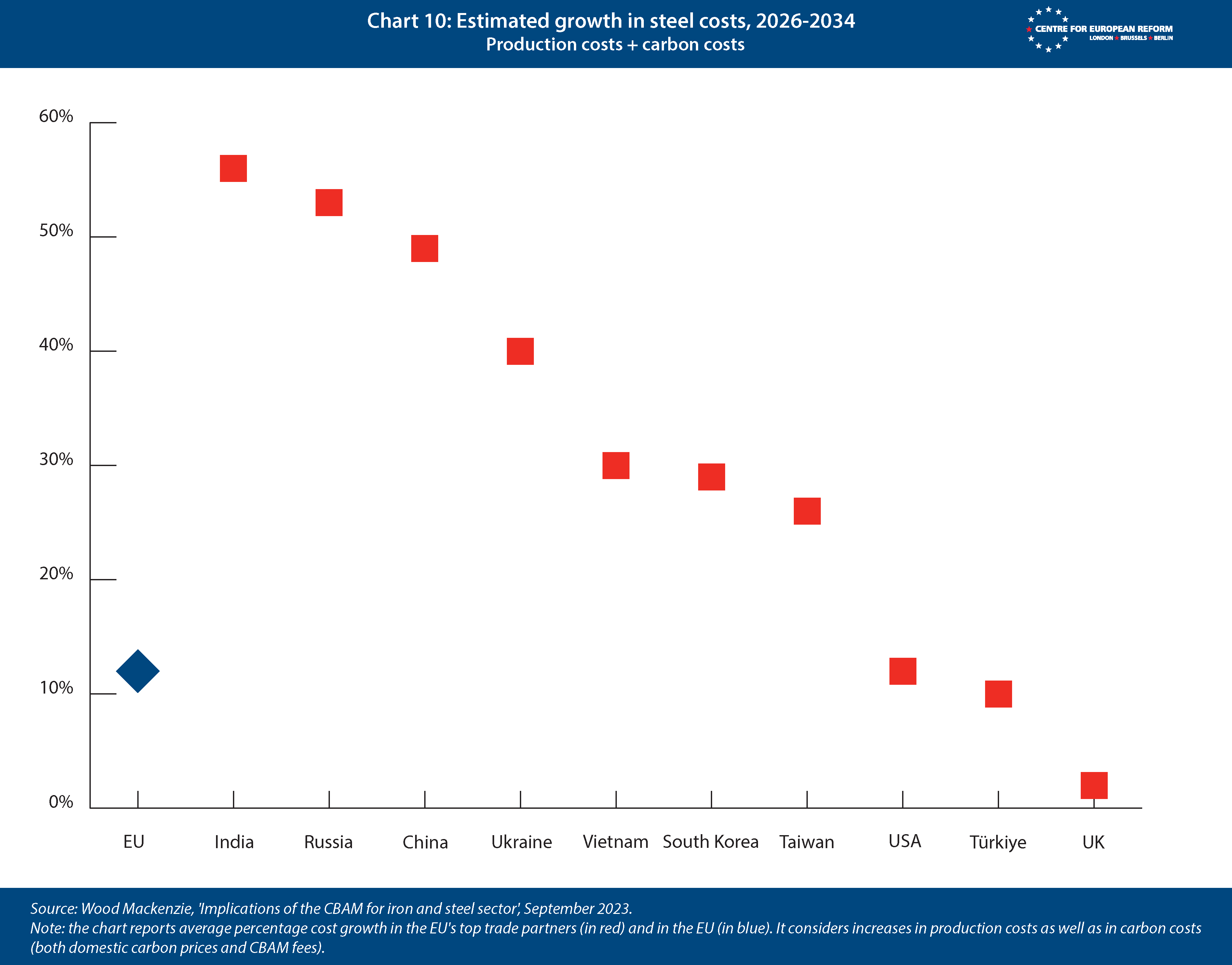
Europe's petrochemical sector is significantly burdened by escalating energy costs and rigorous CO2 emissions regulations. These factors have contributed to a decline in competitiveness and have raised concerns about deindustrialization. The high cost of energy, primarily driven by dependency on fossil fuels and geopolitical factors, presents formidable obstacles to maintaining profitability and market share. Simultaneously, stringent CO2 regulations, while essential for environmental sustainability, impose additional financial and operational pressures on companies striving to comply with these standards.
Clean Industrial Deal: A Strategic Response
In response to these challenges, the EU has introduced the Clean Industrial Deal, a comprehensive strategy aimed at revitalizing the petrochemical sector. This initiative seeks to balance the dual goals of enhancing industrial competitiveness and achieving environmental sustainability. At the heart of the Clean Industrial Deal is the Carbon Border Adjustment Mechanism (CBAM), designed to level the playing field for European manufacturers by imposing tariffs on carbon-intensive imports. This mechanism is intended to protect local industries from being undercut by competitors operating in regions with less stringent environmental regulations.
The Role of Renewable Energy
A critical component of the Clean Industrial Deal is the emphasis on improving connectivity for renewable energy sources. Transitioning to cleaner energy solutions is not only essential for reducing carbon emissions but also for reducing the sector's reliance on volatile fossil fuel markets. By investing in renewable energy infrastructure and enhancing grid connectivity, Europe aims to provide the petrochemical industry with a stable and sustainable energy supply, thereby reducing operational costs and carbon footprints.
Tariff Barriers and Local Manufacturing
In addition to renewable energy integration, the EU's strategy includes increasing tariff barriers to safeguard local manufacturing. By implementing protective measures, the Clean Industrial Deal seeks to prevent the influx of cheaper, carbon-intensive imports that could undermine European producers. This approach is seen as a response to the Antwerp Declaration, which called for measures to protect and promote local manufacturing in the face of global competition.
The Path Forward: Opportunities for Growth
While the challenges facing Europe's petrochemical sector are significant, the Clean Industrial Deal presents numerous opportunities for growth and innovation. By embracing sustainable practices and investing in cutting-edge technologies, the industry can position itself as a global leader in environmentally responsible manufacturing. The focus on renewable energy and increased tariff protections offers a clear path to revitalizing the sector and ensuring its long-term viability.
Investment in Low-Carbon Technologies
A major opportunity lies in the development and deployment of low-carbon technologies. By prioritizing research and innovation, the petrochemical sector can spearhead advancements in sustainable production methods and materials. This not only aligns with the EU's environmental goals but also enhances the sector's competitive position in the global market.
Collaboration and Knowledge Sharing
Collaboration across borders and industries is essential for driving the changes needed to overcome the current challenges. By fostering partnerships between industry leaders, policymakers, and researchers, Europe can leverage collective expertise to develop solutions that are both economically viable and environmentally sustainable.
Policy and Market Adaptation
Adapting to new policies and market conditions will be crucial for the sector's success. The Clean Industrial Deal provides a framework for navigating these changes, but industry players must remain agile and proactive in their approach. By anticipating shifts in regulations and market dynamics, companies can position themselves to capitalize on emerging opportunities.
Conclusion
Europe's petrochemical sector faces a pivotal moment in its history, with significant challenges posed by high energy costs and stringent environmental regulations. However, the EU's Clean Industrial Deal offers a strategic pathway to recovery, emphasizing the importance of renewable energy, tariff protections, and low-carbon technologies. By embracing these initiatives, the petrochemical industry can not only overcome its current hurdles but also lay the foundation for a sustainable and competitive future. As the sector navigates this transformation, collaboration and innovation will be key to unlocking its full potential and ensuring its continued relevance on the global stage.