The Rise of AI ETFs: Investing in the Future of Technology
In the rapidly evolving world of investment, Artificial Intelligence (AI) Exchange-Traded Funds (ETFs) have emerged as a significant force. As technology continues to advance at an unprecedented pace, AI ETFs offer investors a unique opportunity to tap into the transformative power of artificial intelligence and robotics. This article delves into the growing trend of AI ETFs, their impact on financial markets, and the potential risks and rewards for investors.

The Emergence of AI ETFs
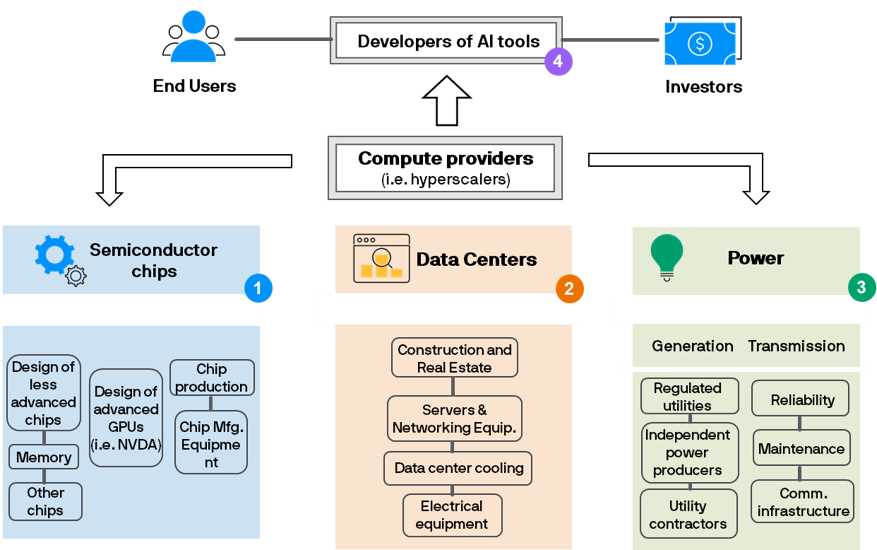
AI ETFs have gained popularity due to their ability to offer exposure to companies involved in the development and application of artificial intelligence technologies. Among the notable AI ETFs are the iShares Robotics and Artificial Intelligence ETF (IRBO) and the First Trust Nasdaq Artificial Intelligence and Robotics ETF (ROBT). These ETFs are designed to track the performance of companies engaged in AI and robotics industries, providing investors with a diversified portfolio of stocks in this burgeoning sector.
According to data from Investing.com, AI ETFs represent a segment of the investment landscape that is gaining traction among investors. As technology continues to integrate into various industries, the demand for AI-driven solutions is expected to grow, making AI ETFs an attractive option for those looking to invest in the future of technology.
Correlations with Green Assets
Recent studies have explored the relationship between AI ETFs and green assets, such as the S&P Green Bond (SPGB) and the S&P Global Clean Energy Transition Index (SPGTCED). These studies have found that AI ETFs exhibit strong intra-category correlations with green assets. This suggests that as investors seek to align their portfolios with sustainable and environmentally-friendly investments, AI ETFs and green assets may move in tandem.
However, it is important to note that AI tokens, such as Render (RENDER) and NEAR Protocol (NEAR), show weak correlations with other asset classes. This distinction indicates that while AI ETFs may share some characteristics with green assets, AI tokens operate with distinct investment characteristics and should be considered separately in portfolio strategies.
Spillover Risks and Hedging Strategies
Investors in AI ETFs must be aware of the high spillover risks associated with these investments and clean energy assets. The dynamic nature of AI and clean energy sectors means that they can act as risk transmitters during periods of market volatility. This risk transmission role suggests that AI ETFs should be complemented with strong hedging assets to mitigate potential losses.
According to research published by arXiv, the spillover dynamics between AI ETFs and other asset classes evolve over time. During periods of heightened market volatility, AI ETFs may become net recipients of shocks, highlighting the importance of incorporating hedging strategies into investment plans. Investors should consider diverse portfolios that include assets with low correlations to AI ETFs to buffer against market fluctuations.
The Role of AI Tokens
While AI ETFs offer exposure to publicly traded companies in the AI sector, AI tokens provide a different investment avenue through blockchain-based platforms. Tokens like Render (RENDER), NEAR Protocol (NEAR), and the Artificial Superintelligence Alliance (FET) represent diverse applications within the blockchain and AI ecosystems.
For instance, Render focuses on decentralized graphics rendering, while NEAR is dedicated to developing a scalable blockchain platform. These tokens have unique value propositions but generally exhibit weak or insignificant correlations with traditional asset classes. Consequently, investors interested in AI tokens should closely monitor their exposure and adjust allocations to align with market conditions.
Regulatory Considerations
As AI ETFs and related assets continue to gain popularity, regulatory oversight becomes crucial to ensure market stability. Regulators need to monitor the volatility and systemic impact of these assets, particularly given their risk-spreading nature. Implementing safeguards to prevent excessive market fluctuations and promoting financial instruments that facilitate the integration of AI ETFs into broader portfolios are essential steps to mitigate hidden risks.
Conclusion
The rise of AI ETFs represents a significant shift in the investment landscape, offering investors a chance to participate in the future of technology. With strong correlations to green assets and distinct investment characteristics, AI ETFs provide a compelling opportunity for those looking to capitalize on advancements in artificial intelligence.
However, investors must remain vigilant about the potential risks associated with these assets. Incorporating robust hedging strategies and maintaining a diversified portfolio are essential to managing spillover risks effectively. As the AI sector continues to evolve, regulatory bodies and investors alike must adapt to the changing dynamics to maximize the benefits of AI investments while mitigating potential downsides.
In the ever-changing world of financial markets, AI ETFs stand out as a beacon of innovation and opportunity, poised to shape the future of investment for years to come.