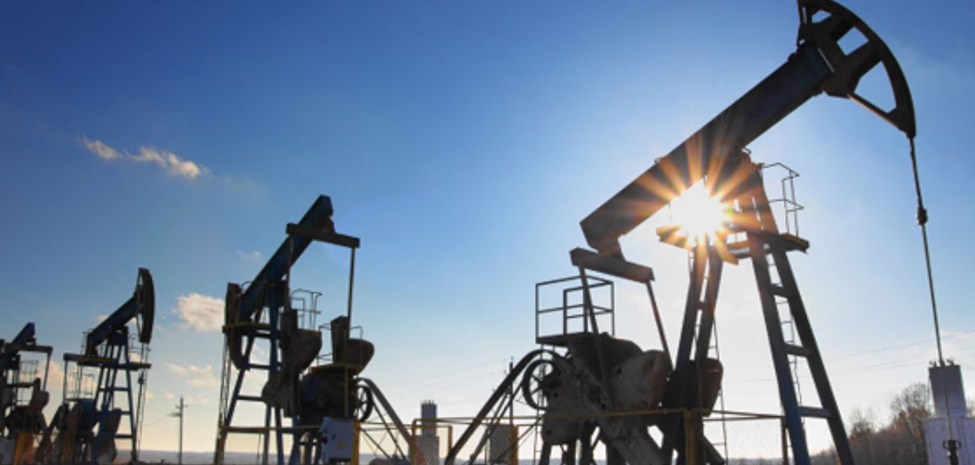
The global transition towards renewable energy is catalyzing a transformative impact on traditional commodity markets, particularly those involving oil and natural gas. As nations intensify their commitments to sustainable energy sources, the demand dynamics for conventional fossil fuels are shifting, presenting both challenges and opportunities for market participants.
A Shift in Demand Dynamics
The pivot towards renewable energy is fundamentally altering the demand landscape for oil (CL=F) and natural gas (NG=F). Historically, these commodities have been the backbone of global energy consumption. However, the increasing efficiency and cost-effectiveness of renewable technologies like solar and wind are challenging their dominance. According to data from Bloomberg, the cost of solar energy has dropped by approximately 80% over the past decade, making it a formidable contender against traditional energy sources.
This shift is further fueled by regulatory changes and government policies aimed at reducing carbon emissions. For instance, the European Union's Green Deal and the United States' Inflation Reduction Act are pivotal in promoting renewable investments. These legislative frameworks incentivize the adoption of cleaner energy sources, further depressing the demand for fossil fuels.
Impact on Oil Markets
The oil market is particularly sensitive to changes in demand. As electric vehicles (EVs) gain traction and renewable energy becomes more integrated into national grids, the demand for crude oil is expected to plateau or even decline. According to ICIS, the global oil demand growth rate is projected to slow down significantly over the next decade. This anticipated decline in demand is already influencing oil prices, with Brent Crude (BZ=F) and West Texas Intermediate (WTI) experiencing increased volatility.
Moreover, the Organization of the Petroleum Exporting Countries (OPEC) is facing pressures to adjust production levels to accommodate these market changes. The challenge lies in balancing supply with the uncertain demand forecasts, which are increasingly skewed by the growing penetration of renewables.
Natural Gas: A Transitional Commodity
Unlike oil, natural gas is often viewed as a transitional fuel in the journey towards a low-carbon future. Its role as a cleaner alternative to coal in electricity generation provides it with a potentially extended lifespan in the energy mix. However, the Natural Gas Intelligence reports that the long-term outlook for natural gas is also being re-evaluated as advancements in battery storage and hydrogen technology promise even cleaner solutions.
The liquefied natural gas (LNG) market is particularly noteworthy. While LNG offers a flexible and lower-emission option compared to coal and oil, its market dynamics are being influenced by geopolitical factors and the global push for decarbonization. The demand for LNG in Asia, for instance, remains robust, yet it is tempered by the region's aggressive renewable energy targets.
Commodities and Market Stability
The transition to renewable energy is not only affecting individual commodity prices but also the overall stability of commodity markets. The increased integration of renewables introduces variability due to their intermittent nature. This intermittency necessitates the development of advanced grid management technologies and energy storage solutions to ensure supply reliability.
Investment in grid infrastructure and energy storage is crucial for mitigating these challenges. According to WSJ Market Data, advancements in battery storage technology are pivotal for balancing supply and demand, thereby enhancing market stability. The ability to store energy efficiently will play a critical role in determining the pace and success of the renewable energy transition.
Investment Opportunities and Risks
For investors, the transition to renewable energy presents both opportunities and risks. Companies engaged in the production and development of renewable technologies are poised for growth, potentially offering attractive returns. Conversely, traditional energy companies may face declining profitability if they fail to adapt to the evolving energy landscape.
Market participants must navigate these shifts with a keen understanding of geopolitical developments, technological advancements, and regulatory changes. Diversification into renewable-focused assets and technologies can provide a hedge against the volatility and uncertainty inherent in fossil fuel markets.
Conclusion
The impact of renewable energy on commodity markets is profound and multifaceted. As the world increasingly embraces sustainable energy solutions, traditional commodity markets are compelled to adapt. This transition, while challenging, offers significant opportunities for innovation and investment. Stakeholders must remain vigilant and informed to capitalize on the evolving dynamics of global energy markets.
:max_bytes(150000):strip_icc()/oil_refinery-5bfc2efdc9e77c005877ab77.jpg)
The journey towards a low-carbon future is reshaping the fabric of energy markets. By understanding these changes, investors and market participants can better position themselves to thrive in the new energy economy.