
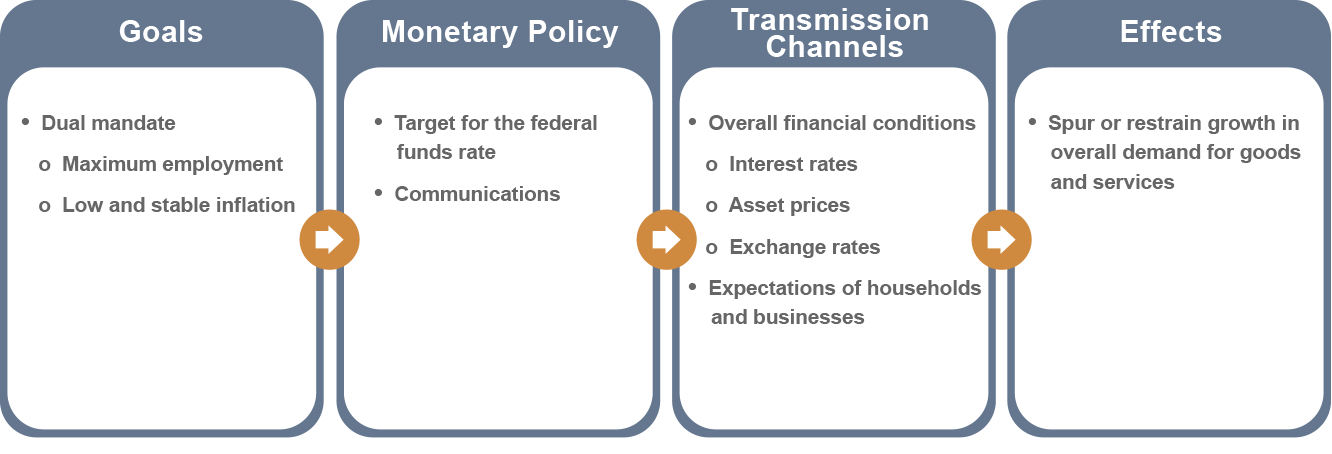
As the financial world anticipates potential interest rate cuts by the Federal Reserve, fixed income markets stand at the cusp of significant transformation. The decisions made by the Fed will ripple through the financial markets, affecting bond prices, yields, and the strategic moves made by investors. Understanding these dynamics is crucial for those navigating the fixed income landscape.
Historically, the Federal Reserve's policy decisions have had profound impacts on interest rates, which in turn influence the broader fixed income market. When the Fed cuts interest rates, it typically leads to an increase in the price of existing bonds. This is because the coupon payments from these bonds become more attractive when compared to the new bonds issued at the lower prevailing rates. As a result, investors holding these bonds could see potential gains, making the current environment particularly advantageous for those seeking stability amidst economic uncertainty.
The bond market, particularly U.S. Treasury bonds, has experienced increased interest from investors as stock market volatility rises. This flight to safety has been evident with the 10-year Treasury yield, which recently dropped from a high of nearly 4.8% to about 4.15% before stabilizing around 4.3%. This movement is a reflection of the market's concerns about economic growth and policy uncertainty. As Fed rate cuts are anticipated, bonds are expected to continue playing a stabilizing role in portfolios throughout the year.

Interest Rate Risk and Bond Valuations
Despite the potential benefits, investors must remain vigilant about interest rate risk. This risk arises because the value of bonds inversely correlates with interest rate changes. When rates decline, existing bond prices rise; conversely, when rates increase, bond prices fall. This relationship is crucial for fixed income investors to understand, as it directly impacts bond valuations.
Furthermore, the duration of a bond—a measure of its sensitivity to interest rate changes—becomes a critical factor in managing interest rate risk. Longer-duration bonds are more sensitive to interest rate changes, meaning their prices will fluctuate more significantly in response to rate adjustments. Investors seeking to mitigate this risk might consider shorter-duration securities, which typically exhibit less price volatility.
Strategic Considerations for Investors
In light of potential Fed rate cuts, investors should consider several strategic adjustments to their portfolios. Diversification remains a cornerstone strategy. By spreading investments across various asset classes, sectors, and geographies, investors can better manage risk and capitalize on different market conditions.
Additionally, periods of market volatility should be viewed as opportunities for portfolio rebalancing. This process involves adjusting the allocation of assets within a portfolio to maintain the desired level of risk and return. For fixed income investors, rebalancing might mean increasing exposure to bonds as interest rates decline, thereby potentially enhancing returns from price appreciation.
Investors are also encouraged to explore bonds with different credit qualities. While government bonds offer safety, corporate bonds, particularly those with higher credit ratings, can provide attractive yields. However, it's important to assess the credit risk, which involves the possibility of the bond issuer defaulting on its obligations.
The Role of Financial Advisors
Given the complexities of the fixed income market, working with a financial advisor can be invaluable. Advisors provide insights and recommendations tailored to an investor's financial goals and risk tolerance. They can help navigate market volatility and identify suitable investment opportunities, ensuring that portfolios remain aligned with long-term objectives.
Mona Mahajan, responsible for developing and communicating macroeconomic and financial market views, emphasizes the importance of staying the course during periods of uncertainty. Historical trends suggest that time in the market often proves more beneficial than attempting to time market entries and exits. Long-term investors who adopt this approach tend to meet or exceed their financial goals.
Conclusion
As the Federal Reserve weighs the decision to cut interest rates, the fixed income market is bracing for change. Investors must remain informed and proactive, understanding how these shifts impact bond prices and yields. By employing strategic asset allocation, diversifying portfolios, and consulting with financial advisors, investors can effectively navigate the evolving landscape.
While interest rate cuts may offer potential gains, the associated risks require careful consideration. Ultimately, a well-rounded, informed approach can help investors capitalize on opportunities while safeguarding against potential downturns in the fixed income market. For those looking to achieve stability and secure returns amidst uncertainty, the fixed income market continues to present a compelling option.
In a market characterized by volatility and uncertainty, staying informed, vigilant, and strategically diversified is paramount. As the Federal Reserve's decisions unfold, the fixed income market will undoubtedly reflect these changes, offering both challenges and opportunities for discerning investors.