
Technology has fundamentally reshaped the forex trading landscape, empowering traders with cutting-edge tools and capabilities that were unimaginable a decade ago. From artificial intelligence (AI) to automated trading systems, the integration of advanced technologies is not just enhancing the efficiency of trading operations but also redefining how strategies are formulated and executed.
AI and Machine Learning in Forex Trading
The incorporation of AI and machine learning into forex trading has revolutionized the way traders analyze data and make decisions. These technologies enable predictive analytics, allowing traders to gain insights into potential market movements based on historical and real-time data. AI algorithms can process vast datasets far surpassing human capabilities, identifying patterns and trends that can predict currency fluctuations with remarkable accuracy.
Machine learning models, trained on extensive forex market data, can adapt to changing market conditions, providing traders with a dynamic tool that evolves over time. This adaptability is crucial in a market as volatile and liquid as forex, where rapid shifts in economic indicators and geopolitical events can significantly impact currency values. AI-driven platforms such as those offered by Barchart are leading the charge, providing traders with sophisticated tools to harness the power of machine learning in their trading strategies.
Automated Trading Systems
Automated trading systems have become a cornerstone of modern forex trading, offering precision and efficiency that manual trading cannot match. These systems, often referred to as algorithmic trading or algo-trading, execute orders based on pre-defined criteria set by the trader. The ability to automate trading strategies allows for the execution of trades at speeds and frequencies that are impossible for human traders to achieve.
Platforms like Barchart provide traders with robust tools to develop and implement automated trading strategies, optimizing trade execution and minimizing human errors. The use of automated systems is particularly beneficial in high-frequency trading (HFT), where the ability to execute numerous trades in fractions of a second can capitalize on minute price changes.
Furthermore, automated systems can operate 24/7, taking advantage of the forex market's around-the-clock nature. This continuous operation ensures that trading opportunities are not missed due to human limitations such as fatigue or time zone constraints.
The Impact on Trading Practices
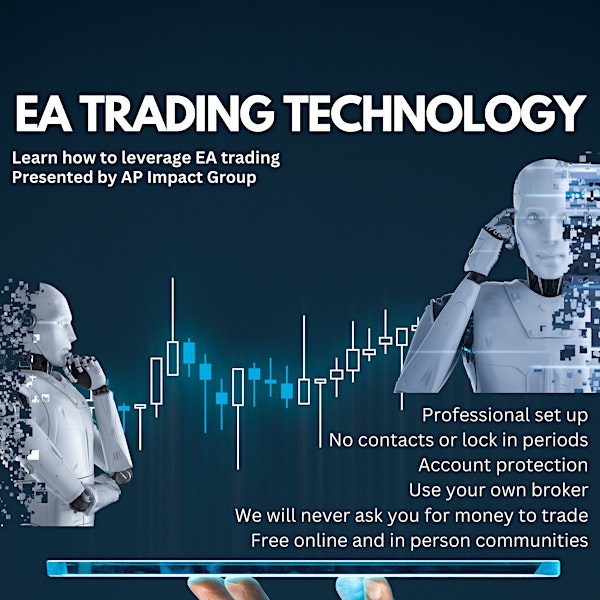
The integration of AI, machine learning, and automated trading systems into forex trading is not just about technology for technology's sake. It represents a paradigm shift in trading practices. Traders are now able to focus more on strategy development and risk management rather than the mechanics of trade execution. This shift allows for more informed decision-making and the development of sophisticated trading strategies that leverage both human intuition and machine precision.
Moreover, the availability of technology-driven analysis tools democratizes access to high-quality market insights. Traders no longer need to rely solely on expensive proprietary systems or large institutional resources. Independent traders and smaller firms can now access advanced analytics and trading capabilities that were once the domain of large financial institutions.
Challenges and Considerations
While the benefits of technology in forex trading are substantial, they do not come without challenges. The reliance on automated systems and AI can lead to over-optimization, where strategies perform exceptionally in backtesting but fail in live markets due to unforeseen variables or market conditions.
Additionally, the increased use of technology raises concerns about cybersecurity. As trading systems become more interconnected and reliant on internet connectivity, they become more vulnerable to cyber threats. Traders and firms must invest in robust cybersecurity measures to protect their systems and data.
Conclusion
The role of technology in modern forex trading is transformative, offering unprecedented opportunities for efficiency, accuracy, and innovation. As AI and automated systems continue to evolve, their integration into trading practices will likely deepen, leading to even more sophisticated trading environments. For traders, understanding and leveraging these technologies is not just an advantage but a necessity in the fast-paced world of forex. As the landscape evolves, those who adapt will be best positioned to capitalize on the opportunities that technology offers.