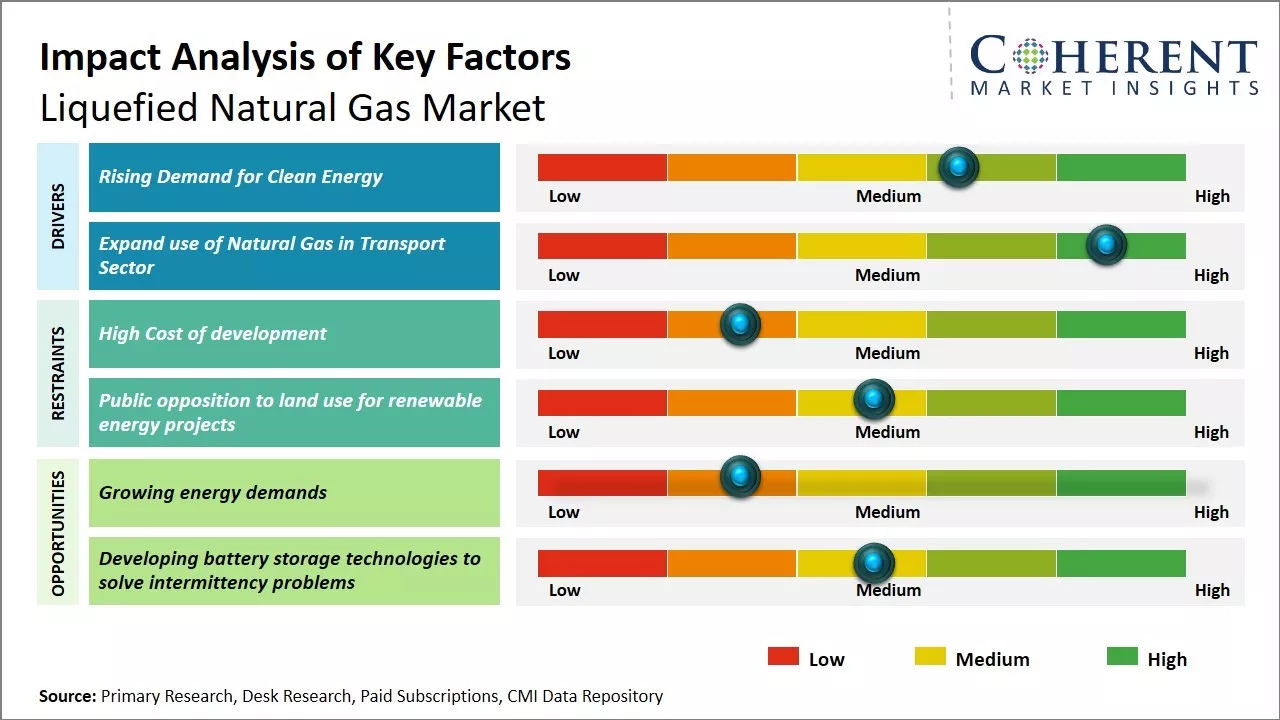
The natural gas and liquefied natural gas (LNG) markets are at a pivotal juncture, shaped significantly by global geopolitical tensions and fluctuating supply and demand dynamics. As these commodities are crucial to the global energy landscape, understanding their current state is essential for market participants looking to navigate the complexities and capitalize on potential opportunities.
Demand for natural gas and LNG continues to grow as countries seek cleaner energy sources in their transition from coal and oil. This shift is particularly evident in Europe and Asia, where environmental policies are pushing for reduced carbon footprints. However, this growing demand is met with significant supply challenges exacerbated by geopolitical tensions, particularly those involving Russia, a major supplier of natural gas.
Geopolitical Tensions and Supply Dynamics
The invasion of Ukraine by Russia and the subsequent sanctions have had profound implications for the natural gas market. Europe, heavily reliant on Russian gas, has been forced to diversify its energy sources, leading to increased imports of LNG from the United States and Qatar. This shift has resulted in a reconfiguration of global gas supply chains, with the US emerging as a key player in LNG exports.
The European Union's strategic pivot away from Russian gas has driven LNG prices upwards, as the region competes with Asia for limited supplies. This competition is further intensified by the reopening of economies in Asia post-pandemic, boosting industrial activity and energy consumption. Consequently, LNG prices have remained volatile, reflecting these geopolitical and supply chain disruptions.
Market Responses and Investment Opportunities
Market participants are keenly observing these developments, with many seeing potential investment opportunities in infrastructure and technology that can enhance supply chain efficiency and reduce dependency on volatile regions. Companies are investing in LNG terminals, pipelines, and storage facilities to accommodate increased demand and ensure energy security.
For instance, the US has made significant investments in LNG export facilities, positioning itself as a reliable supplier to Europe and Asia. As a result, companies involved in the production, transportation, and storage of LNG are likely to see increased investor interest.
Moreover, technological innovations such as floating LNG (FLNG) units are gaining traction. These units offer flexibility and can be deployed in remote areas, providing an efficient solution to the logistical challenges of LNG transport. Investors are closely monitoring developments in this area, as FLNG technology could play a pivotal role in expanding LNG supply capabilities.
Price Volatility and Risk Management
The current state of the natural gas and LNG markets is characterized by pronounced price volatility. This volatility is driven by the aforementioned geopolitical tensions, fluctuating demand, and supply chain constraints. Consequently, market participants are increasingly focusing on risk management strategies to hedge against price fluctuations.
Derivatives such as futures and options are commonly used to manage price risk. The CME Group, a leading derivatives marketplace, provides a platform for trading these instruments, allowing participants to lock in prices and mitigate the impact of market volatility.
Furthermore, the incorporation of data analytics and artificial intelligence in trading strategies is becoming more prevalent. These technologies enable traders to analyze vast amounts of market data and identify trends, thereby enhancing decision-making processes and improving risk management.
Environmental Considerations and Sustainability
While the natural gas and LNG markets present lucrative opportunities, they also face scrutiny regarding their environmental impact. As the world moves towards sustainable energy solutions, the carbon footprint of natural gas and LNG production is under increased scrutiny.
To address these concerns, companies are investing in carbon capture and storage (CCS) technologies and exploring the potential of renewable LNG, which is produced from renewable sources such as biogas. These initiatives are aimed at reducing the environmental impact of LNG production and aligning with global sustainability goals.
Investors are increasingly considering environmental, social, and governance (ESG) factors when making investment decisions in the energy sector. The integration of ESG criteria in investment portfolios is becoming a norm, influencing the flow of capital towards projects that prioritize environmental sustainability.
Conclusion
The natural gas and LNG markets are navigating a complex landscape of geopolitical tensions, supply chain challenges, and evolving demand dynamics. While these factors present significant challenges, they also offer opportunities for market participants to innovate and invest in technologies that enhance supply chain efficiency and sustainability.
As the world continues its transition towards cleaner energy sources, the role of natural gas and LNG in the global energy mix is set to grow. Market participants must remain vigilant and adaptable, leveraging insights and technologies to navigate this evolving sector. The current state of the market underscores the importance of strategic investments and risk management to capitalize on opportunities while mitigating risks.
For further insights into the natural gas and LNG markets, Natural Gas Intel offers comprehensive news and analysis, providing valuable information for industry professionals and investors alike.

As the landscape continues to evolve, staying informed and proactive will be key to navigating the challenges and seizing the opportunities presented by the natural gas and LNG markets.