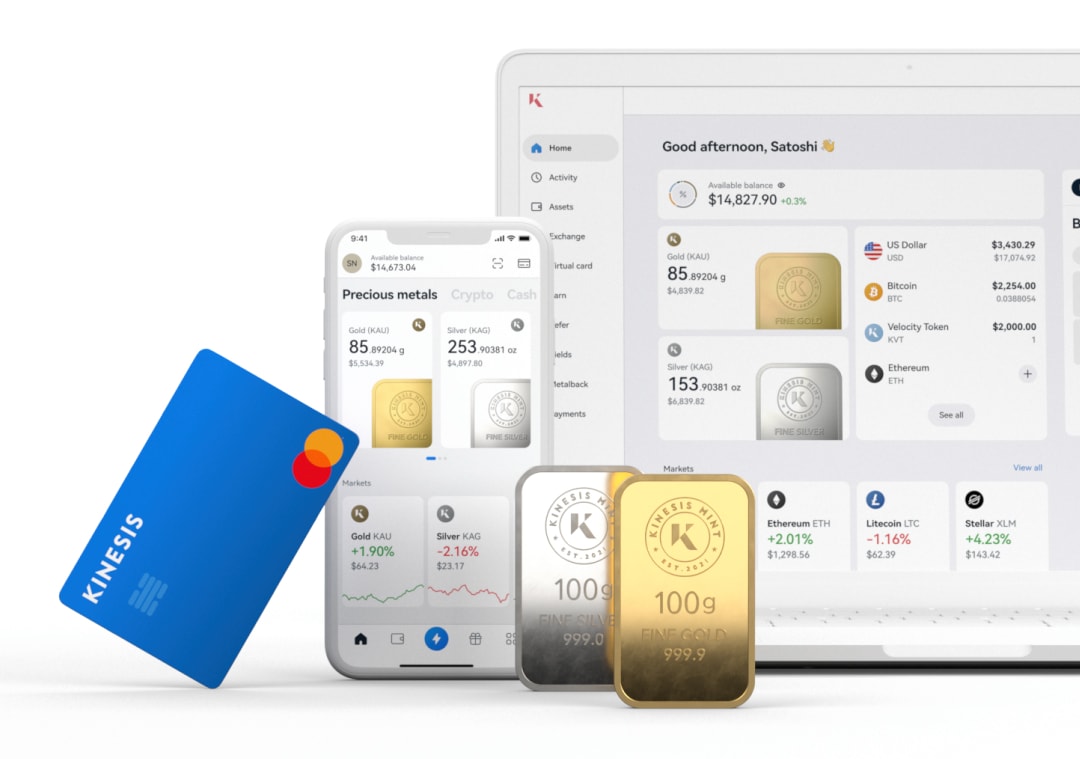
The intersection of traditional and digital assets presents a compelling narrative for today's investors, as they navigate through an ever-evolving financial landscape. The dialogue between the stability of gold and silver, the dynamism of equities, and the disruptive potential of cryptocurrencies like Bitcoin ($BTC) is more relevant than ever. This discussion is underpinned by insights from industry experts like Bloomberg Intelligence's Mike McGlone, who provides a nuanced perspective on asset performance and strategic diversification (Mike McGlone Twitter).
Traditional Assets: Gold and Silver
Gold and silver have long stood as stalwarts of financial security and economic stability. Historically, these precious metals have been considered safe havens, particularly during times of economic uncertainty. Gold, with its intrinsic value, has been a hedge against inflation and currency devaluation. As of 2025, gold prices have seen fluctuations driven by geopolitical tensions and macroeconomic factors such as central bank policies and inflationary pressures. The dollar's strength often inversely impacts gold prices, making it a pivotal player in the global financial system.
Silver, while often overshadowed by gold, plays a dual role as both a precious metal and an industrial commodity. Its price trajectory is not only influenced by the same factors as gold but also by demand from sectors such as electronics and solar energy. In recent times, silver has experienced volatility, reflecting its unique position in the market. The increasing emphasis on green technologies is expected to bolster silver demand, providing a potential upside for investors seeking diversification.
Equities: Stocks in Focus
In the realm of equities, stocks have traditionally been the backbone of growth-oriented investment portfolios. The stock market's performance is closely linked to economic cycles, corporate earnings, and investor sentiment. In 2025, the stock market exhibits resilience despite headwinds such as inflationary pressures and geopolitical uncertainties. Major indices like the S&P 500 and NASDAQ have shown robust growth, driven by sectors such as technology and healthcare. However, the specter of rising interest rates continues to loom, prompting investors to recalibrate their strategies.
The integration of technology into business models and the rise of digital transformation have been significant drivers of stock market performance. Companies that have successfully adapted to the digital era have seen their valuations soar, reflecting investor confidence in their future growth prospects.
The Rise of Cryptocurrencies: Bitcoin
Bitcoin, the leading cryptocurrency, has emerged as a formidable contender in the financial markets, challenging traditional paradigms of value and wealth. Its decentralized nature offers a novel approach to financial transactions, free from the constraints of centralized banking systems. Bitcoin's price volatility, however, remains a double-edged sword for investors. While it provides opportunities for significant returns, it also poses risks that require careful consideration.
The adoption of Bitcoin and other cryptocurrencies has been facilitated by increased institutional interest and the development of financial products such as Bitcoin ETFs. Moreover, the integration of blockchain technology into various sectors underscores the transformative potential of digital currencies. Yet, regulatory challenges and concerns over security and sustainability continue to shape the narrative around Bitcoin.
Comparative Analysis and Investment Strategies
In comparing these asset classes, investors must consider their unique attributes and risk-return profiles. Gold and silver offer stability and preservation of wealth, particularly in inflationary environments. Stocks provide growth potential, driven by economic expansion and corporate innovation. Bitcoin, with its high volatility, offers speculative opportunities for those with a higher risk tolerance.
Diversification remains a key strategy in portfolio management. By allocating assets across these different classes, investors can mitigate risks and capture potential returns. For instance, a balanced portfolio might include a mix of equities for growth, precious metals for stability, and a small allocation to cryptocurrencies for speculative gains.
Market Influences and Future Trends
Looking ahead, several factors will influence the performance of these assets. Economic policies, particularly those related to interest rates and inflation, will continue to play a pivotal role. The ongoing digital transformation is likely to drive further integration of cryptocurrencies into mainstream finance. Additionally, geopolitical developments and environmental considerations will shape the demand dynamics for both traditional and digital assets.
The potential of blockchain technology to support complex financial operations is gaining traction, as evidenced by its increasing adoption across industries (Nasdaq). As regulatory clarity improves, the acceptance and integration of digital assets are expected to accelerate, offering new avenues for growth and innovation.
Conclusion
The showdown between traditional and digital assets encapsulates the broader shifts occurring within the global financial landscape. As investors navigate this complex environment, the need for informed decision-making and strategic diversification becomes paramount. By understanding the unique characteristics and influences on gold, silver, stocks, and Bitcoin, investors can position themselves to capitalize on opportunities and mitigate risks in an ever-changing market.


In conclusion, the interplay between these asset classes will likely define the investment landscape for years to come. As traditional assets continue to provide stability and cryptocurrencies offer new possibilities, the role of each in a diversified portfolio will depend on individual risk appetites and investment goals. Investors must remain vigilant, adapting their strategies to the evolving market dynamics and technological advancements that characterize this new era of financial innovation.