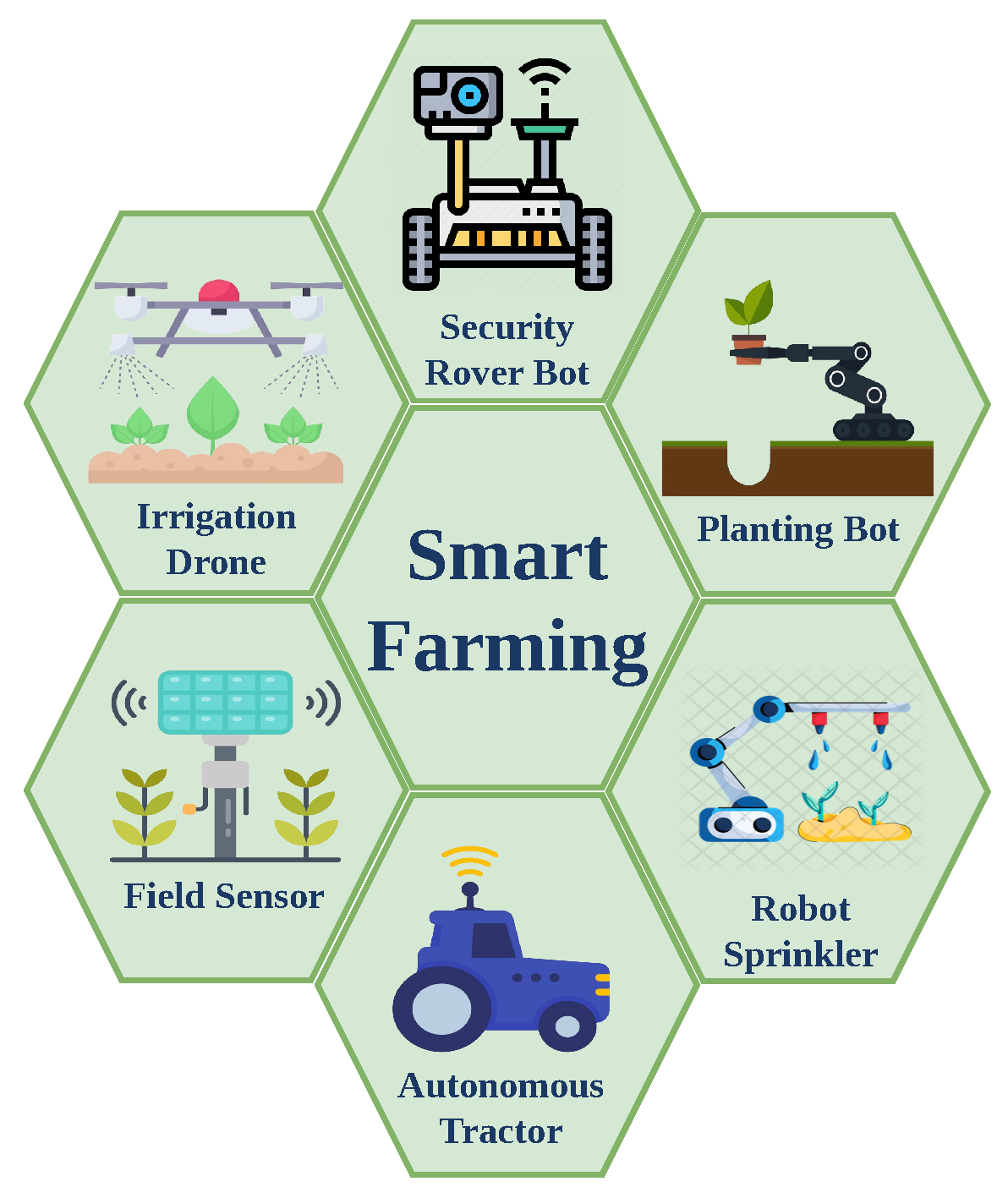
In the swiftly evolving landscape of commodity markets, technology is emerging as a pivotal force in enhancing analytical capabilities and forecasting accuracy. The integration of artificial intelligence (AI) and data analytics is not only transforming how market participants interpret data but is also revolutionizing the decision-making processes across the spectrum of commodities, from agricultural products to energy markets.
The Technological Transformation
Commodity markets, traditionally characterized by their volatility and susceptibility to macroeconomic factors, have long posed a challenge to analysts seeking to predict price movements. However, platforms like Barchart and resources such as Awesome Quant are providing sophisticated tools that leverage technology to offer enhanced market data analysis.
Barchart, for instance, delivers comprehensive market data and services that cater to financial, media, and commodity industries. By providing premium data, news, and analysis, Barchart enhances the ability of market participants to make informed decisions. This platform is instrumental for traders and analysts who require real-time data and analytics to navigate the complex commodity markets effectively.
Similarly, Awesome Quant offers a vast repository of data and technical indicators that empower analysts to perform technical analysis of financial market data. These tools are essential for developing algorithms that can predict market trends with greater accuracy.
The Role of AI and Data Analytics
Artificial intelligence and data analytics have become integral to the evolution of commodity market analysis. AI algorithms can process vast amounts of data at unprecedented speeds, identifying patterns and trends that would be impossible for human analysts to discern manually. This capability is particularly valuable in commodity markets, where prices are influenced by a myriad of factors including geopolitical events, weather patterns, and economic indicators.
For example, AI-driven models can analyze historical price data and correlate it with external variables such as global economic indicators or currency fluctuations. This allows for the generation of predictive analytics that provide actionable insights for traders and investors. The application of machine learning techniques enables these models to continuously improve their predictive accuracy over time.
Moreover, data analytics platforms such as those offered by Trading Economics provide comprehensive datasets on commodities like sugar. These platforms offer historical data, forecasts, and news updates, allowing analysts to track market movements and make data-driven predictions.
Enhancing Forecasting and Risk Assessment
The integration of technology in commodity market analysis is also enhancing the accuracy of forecasting and risk assessment. Advanced data analytics tools enable analysts to simulate various market scenarios and assess the potential impact of different variables on commodity prices. This capability is crucial for risk management, as it allows market participants to hedge against potential adverse price movements.
For instance, in the natural gas and LNG markets, platforms like Natural Gas Intel provide news and analysis that are vital for accounting and settlement professionals, commodity risk managers, and investment professionals. By utilizing technology-driven insights, these stakeholders can better understand market dynamics and mitigate risks associated with price volatility.
Case Study: The Energy Markets
The energy sector, particularly oil and natural gas, has been at the forefront of adopting technological advancements for market analysis. The use of AI and data analytics in these markets has facilitated more accurate supply and demand forecasts, which are crucial for pricing and investment decisions.
As noted by Mike McGlone, a Senior Commodity Strategist at Bloomberg Intelligence, the integration of advanced analytics in energy markets has allowed for more precise predictions of market trends. This, in turn, aids in optimizing trading strategies and improving the efficiency of market operations.
Moreover, organizations such as the CME Group have been pivotal in providing futures and options data, which are essential for managing financial risk in the commodities sector. The availability of such data enables market participants to better assess market expectations and make informed trading decisions.
The Future of Commodity Market Analysis
As technology continues to evolve, its impact on commodity market analysis is expected to grow. The ongoing advancements in AI and machine learning are likely to lead to the development of even more sophisticated analytical tools that can process complex datasets and generate highly accurate forecasts.
Furthermore, the increasing availability of open data, as exemplified by initiatives from organizations like the World Bank, will provide analysts with the resources needed to conduct in-depth market research and analysis. This democratization of data is poised to enhance transparency and improve the overall efficiency of commodity markets.
In conclusion, the role of technology in commodity market analysis is becoming increasingly indispensable. By harnessing the power of AI and data analytics, market participants can gain a competitive edge in understanding market dynamics, forecasting price movements, and managing risks. As these technologies continue to mature, they will undoubtedly redefine the landscape of commodity trading and analysis, offering unprecedented opportunities for growth and innovation.