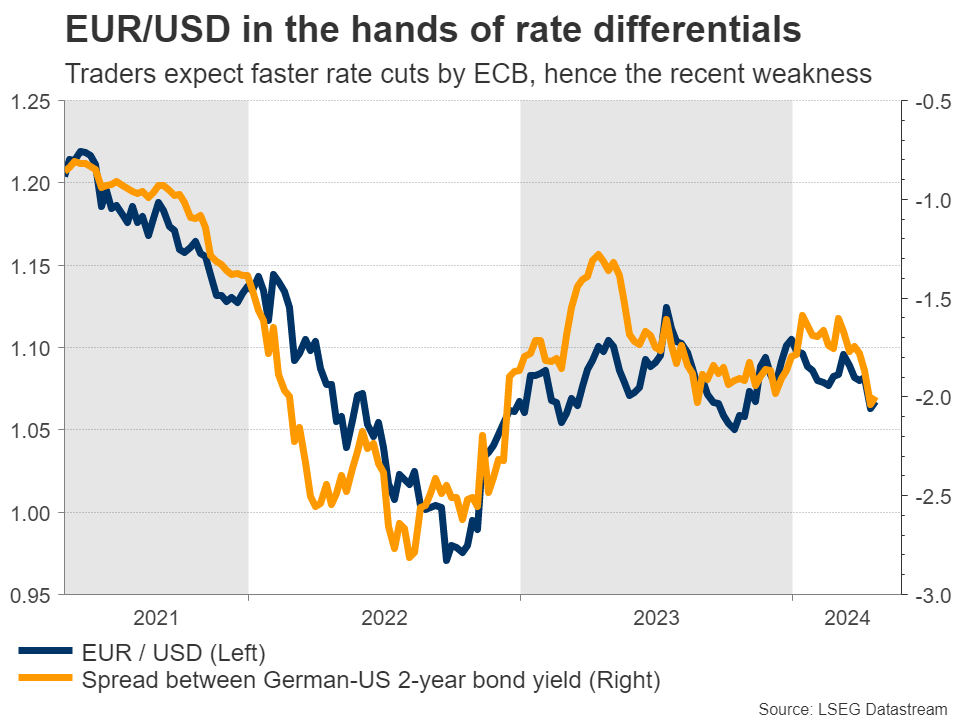
Economic indicators serve as critical barometers for the Forex market, offering insights into the financial health and economic trajectory of countries. These indicators, including Gross Domestic Product (GDP), unemployment rates, and inflation, are pivotal in shaping Forex market trends. By understanding these indicators, traders can anticipate market shifts and adjust their strategies accordingly, potentially capitalizing on currency fluctuations.
The Forex Market is inherently dynamic, driven by myriad factors, among which economic indicators hold significant influence. Each indicator provides distinct insights, allowing traders to make informed predictions about currency movements. This article delves into the major economic indicators and their profound impacts on currency pairs, offering traders strategies to navigate these fluctuations effectively.
Gross Domestic Product (GDP)
GDP remains one of the most comprehensive measures of a country's economic health, reflecting the total value of goods and services produced over a specific period. A rising GDP typically signals a robust economy, often leading to a stronger currency as investor confidence grows. Conversely, a declining GDP may indicate economic troubles, prompting a potential depreciation of the national currency.
For instance, when the United States reports a higher-than-expected GDP growth, it often results in the appreciation of the US Dollar (USD) against other currencies. Traders monitoring GDP data can position themselves strategically to exploit these movements. Utilizing platforms like Trading Economics, traders can access real-time GDP data to aid their decision-making processes.
Unemployment Rates
Unemployment rates offer insights into the labor market's health and, by extension, the overall economy. High unemployment rates can lead to a weaker currency as they often signal economic distress, reducing consumer spending and investment. Conversely, low unemployment rates suggest economic strength, potentially leading to a currency's appreciation due to increased consumer confidence and spending.
The US Non-Farm Payroll (NFP) report is a pivotal release in this context, often causing significant market volatility. Traders can capitalize on these fluctuations by aligning their strategies with the anticipated outcomes of unemployment data releases. The London Stock Exchange provides comprehensive market data and analysis, assisting traders in making informed decisions based on employment figures.
Inflation Rates
Inflation is another crucial economic indicator, reflecting the rate at which the general level of prices for goods and services is rising, and subsequently, purchasing power is falling. Central banks, such as the Federal Reserve in the United States, closely monitor inflation levels to set interest rates. Higher inflation typically leads to higher interest rates, which can strengthen a country's currency as higher rates attract foreign capital.
However, excessive inflation can be detrimental, leading to economic instability and a devaluation of the currency. Traders keen on leveraging inflation data can utilize resources such as Westpac IQ for detailed economic analysis and forecasts.
Strategic Implications for Traders
Understanding and interpreting these economic indicators is crucial for Forex traders aiming to devise effective trading strategies. Here are some strategies traders can employ:
-
Economic Calendar Monitoring: Traders should regularly consult economic calendars to stay informed about upcoming releases of key indicators. Anticipating these announcements allows traders to position themselves advantageously before the market reacts.
-
Correlation Analysis: By analyzing the correlation between different economic indicators and currency movements, traders can identify patterns and predict future trends. Tools like the Multi-Asset Similarity Matrix on TradingView offer sophisticated means to analyze these correlations.
-
Technical and Fundamental Analysis: Combining technical analysis with fundamental insights allows traders to validate their strategies. For example, technical patterns may indicate potential price movements, while fundamental analysis of economic indicators provides the rationale behind these movements.
-
Risk Management: Given the inherent volatility in the Forex market, effective risk management practices are essential. Traders should employ stop-loss orders and position sizing techniques to mitigate potential losses during unexpected market shifts.
-
Continuous Learning and Adaptation: The Forex market is ever-evolving, necessitating a commitment to continuous learning and adaptation. Courses on platforms like Coursera can enhance traders' skills in technical analysis, market data interpretation, and strategy development.
In conclusion, economic indicators serve as indispensable tools for Forex traders, offering insights into potential market movements. By understanding and strategically responding to GDP, unemployment, and inflation data, traders can enhance their decision-making processes and potentially increase their profitability. Utilizing comprehensive market data from reliable sources such as Bloomberg and Financial Modeling Prep can further aid traders in navigating the complexities of the Forex market. Images, such as those depicting global currency trends, can enhance traders' understanding of economic indicators' impacts visually.
By staying informed and adapting to market dynamics, traders can better position themselves to exploit opportunities in the ever-fluctuating Forex market.