
Emerging Trends in the Palm Oil Market
The palm oil market, a cornerstone of the global food and industrial sectors, is currently experiencing unprecedented changes, with prices reaching all-time highs. According to Trading Economics, these surges are driven by a combination of factors, including supply chain disruptions, increasing demand, and environmental pressures. This comprehensive analysis delves into the dynamics shaping the palm oil market and examines the potential implications for investors and stakeholders.

Price Dynamics and Market Forces
Palm oil prices have surged significantly, marking a historic high in early 2025. This rise can largely be attributed to disruptions in supply chains caused by geopolitical tensions and adverse weather conditions that have affected major production areas, such as Indonesia and Malaysia. The Wall Street Journal reports that these supply issues have compounded with an uptick in global demand, particularly from emerging markets, where palm oil is a staple in both culinary and industrial applications.
In parallel, the renewable energy sector's shift towards biofuels has intensified demand. Palm oil is a key component in biodiesel production, which has seen increased adoption as countries strive to meet sustainability targets. This trend has further strained supply, contributing to the steady climb in prices.
Production Trends and Challenges
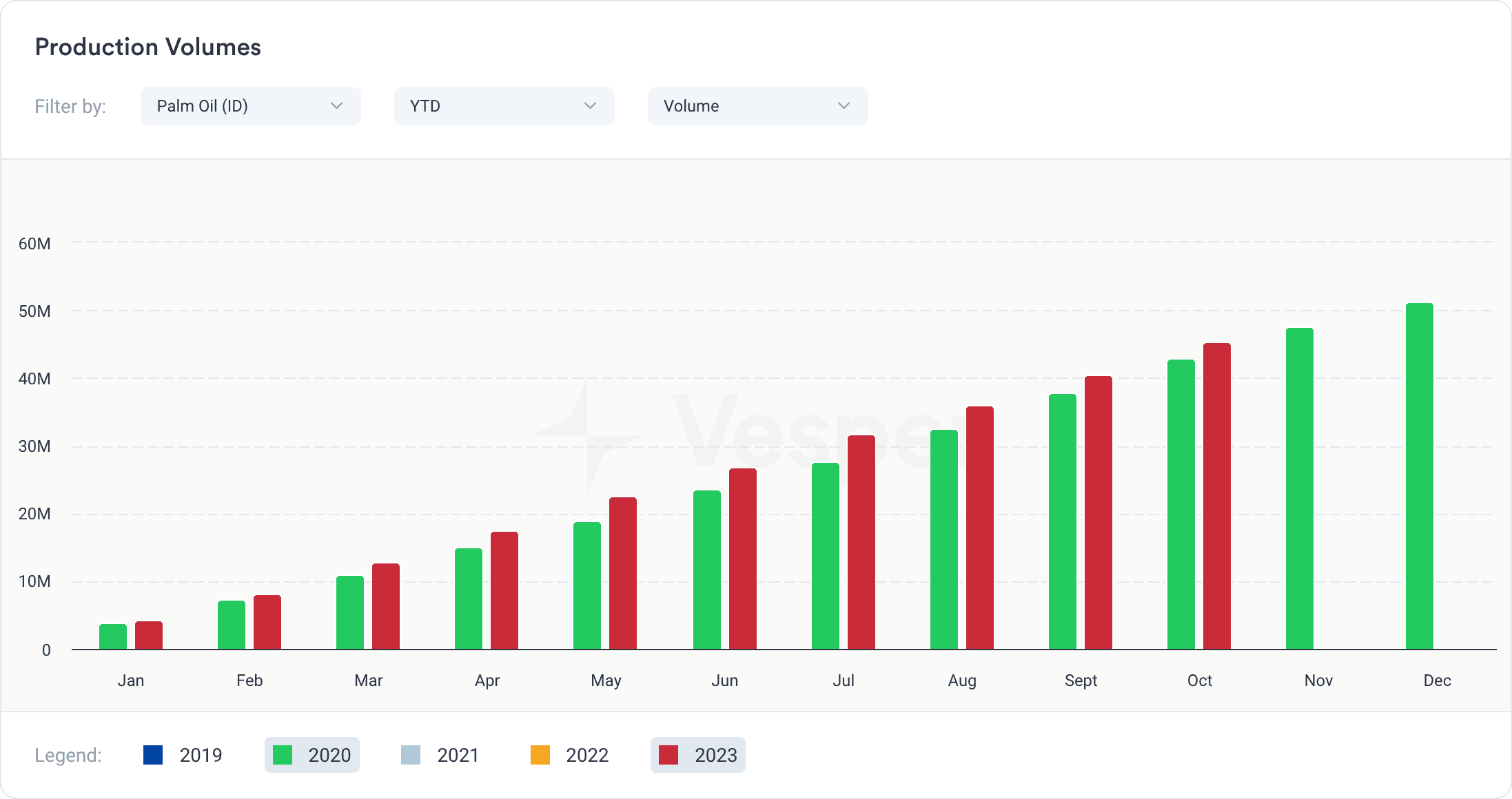
The production of palm oil is concentrated in a few countries, with Indonesia and Malaysia accounting for approximately 85% of global output. Recent reports indicate that production growth in these regions has been sluggish due to labor shortages and environmental regulations aimed at curbing deforestation. The International Council on Clean Transportation highlights that these constraints have prompted producers to invest in technology and sustainable practices to boost yields without expanding plantation areas.
However, despite these efforts, production has not kept pace with demand. Industry experts suggest that this imbalance is likely to persist, potentially leading to further price increases in the near term.
Environmental Considerations
The environmental impact of palm oil production remains a contentious issue, with deforestation and habitat destruction being primary concerns. These practices have led to significant biodiversity loss, prompting regulatory actions from governments and advocacy from environmental groups. The Sustainable Palm Oil Choice initiative has been instrumental in promoting sustainable practices, yet challenges remain.
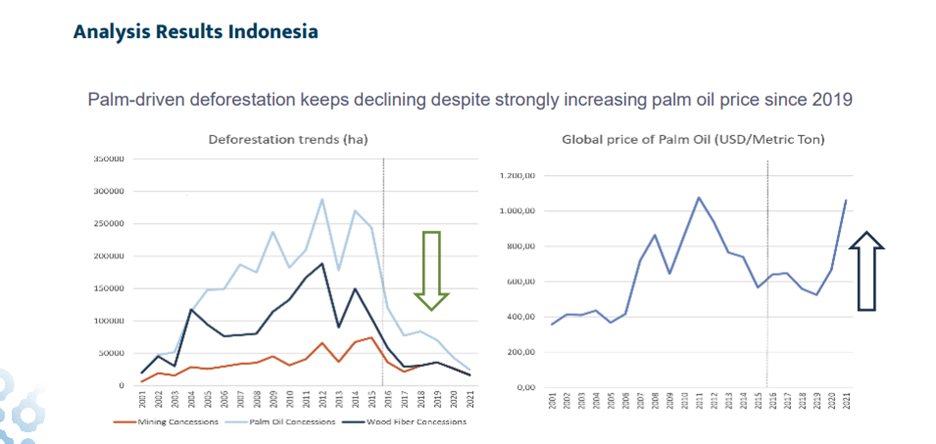
As consumers become more environmentally conscious, there is growing pressure on producers to obtain sustainability certifications. This shift is reshaping market perceptions, with companies increasingly prioritizing sustainable sourcing to maintain their market share. The imposition of stricter environmental regulations has also added operational costs, influencing price structures.
Regulatory and Market Implications
The regulatory landscape for palm oil is evolving rapidly, with governments implementing policies to balance economic and environmental objectives. For instance, the European Union has proposed measures that could limit palm oil imports unless they meet specific sustainability criteria. This move is likely to have significant repercussions for global trade and market dynamics.
Industry analysts from Alpine Macro emphasize the importance of monitoring these regulatory changes, as they could alter competitive dynamics and investment strategies within the sector. Investors are advised to consider the long-term implications of sustainability trends on production costs and market access.
Investment Insights
For investors, the current state of the palm oil market presents both challenges and opportunities. The persistent demand and supply constraints suggest potential for price volatility, which could impact returns. However, the growing emphasis on sustainability also opens avenues for investing in companies that are leading in environmentally responsible practices.
Experts recommend a cautious approach, emphasizing the importance of diversification and thorough due diligence. In particular, understanding the regulatory landscape and its impact on supply chains will be crucial for making informed investment decisions.
Conclusion
The palm oil market is at a pivotal juncture, shaped by complex interplays of demand, supply, and environmental factors. As the market continues to evolve, stakeholders must navigate these challenges with strategic foresight. By embracing sustainable practices and staying attuned to regulatory developments, industry players and investors alike can position themselves to capitalize on the emerging trends in this critical global commodity.
For further insights, stakeholders are encouraged to access detailed market data and analysis from reliable sources such as Trading Economics and ICIS, ensuring they remain well-informed and prepared to adapt to the dynamic market landscape.