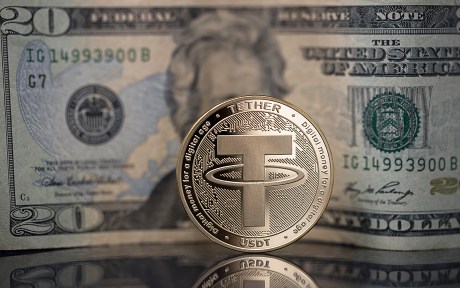
In the rapidly evolving landscape of global finance, stablecoins are emerging as a transformative force, promising to enhance capital efficiency and reshape financial operations. As fintech innovators like Robinhood and Revolut introduce their own stablecoins, and established players such as PayPal and Visa integrate stablecoin solutions, the march toward mainstream adoption has become increasingly evident. This analysis explores the economic incentives driving stablecoin adoption and evaluates the potential impacts on global markets.

The Rise of Stablecoins
Stablecoins are digital currencies pegged to stable assets like the US dollar, providing a bridge between traditional financial systems and the burgeoning crypto ecosystem. Their rise can be attributed to their ability to offer a stable store of value in the volatile world of cryptocurrencies. According to a Delphi Digital report, the mainstream adoption of stablecoins is "inevitable," driven by their promise of lower transaction costs, higher margins, and new revenue streams for businesses.
Fintech companies are spearheading this shift. Robinhood and Revolut have launched proprietary stablecoins, while PayPal has integrated stablecoin solutions, despite the potential to cannibalize its margins. This strategic pivot underscores a broader industry recognition: stablecoins align with the relentless pursuit of profit, offering tangible economic benefits to users.
Economic Incentives and Capital Efficiency
Stablecoins enhance capital efficiency by streamlining cross-border transactions and reducing the need for intermediaries, thus lowering transaction costs. This efficiency is particularly advantageous in international trade and remittances, where traditional systems are often slow and expensive. By using stablecoins, businesses can bypass these hurdles, achieving near-instantaneous transactions at a fraction of the cost.
According to Financial Modeling Prep, the integration of stablecoins into financial systems can lead to significant cost savings for companies. The elimination of currency conversion fees and the reduction of payment processing times translate into improved liquidity management and enhanced capital allocation strategies.
Stablecoins in the Global Financial Ecosystem
The adoption of stablecoins is not without challenges. Regulatory hurdles remain a significant barrier, as policymakers grapple with the implications of widespread stablecoin use. A report from Risk.net highlights the ongoing regulatory scrutiny facing stablecoins, emphasizing the importance of compliance and risk management.
Despite these challenges, stablecoins are gaining traction as a viable alternative to traditional fiat currencies. Their potential to facilitate decentralized finance (DeFi) applications and integrate with blockchain-based systems positions them as key players in the future of finance.
Expert Insights
Industry experts are optimistic about the potential of stablecoins to revolutionize financial systems. "Stablecoins are not just a trend; they are a fundamental shift in how we view and use money," says Michael Wilson, Chief U.S. Equity Strategist at Morgan Stanley. "Their ability to provide stability and efficiency in an otherwise volatile market is unparalleled."
Moreover, the integration of stablecoins by major financial institutions like Visa signifies a broader acceptance and validation of digital currencies. Visa's move to embrace stablecoins is seen as a strategic effort to stay ahead of the curve and capitalize on the growing demand for digital payment solutions.
Market Implications
The widespread adoption of stablecoins could have profound implications for global markets. As stablecoins become more integrated into financial systems, they could influence monetary policy and impact the demand for traditional currencies. A report by Delphi Digital suggests that stablecoins could become the backbone of the emerging agentic economy, where automated systems and AI-driven decisions dominate.
The potential for stablecoins to serve as a hedge against inflation and currency devaluation further enhances their appeal. In regions experiencing economic instability, stablecoins offer a secure and reliable alternative to local currencies, fostering greater financial inclusion and stability.
Conclusion
The adoption of stablecoins represents a pivotal moment in the evolution of global finance. As they continue to gain traction, stablecoins have the potential to drive significant improvements in capital efficiency, reduce transaction costs, and provide a stable medium of exchange. While challenges remain, the economic incentives and market potential make stablecoins a promising catalyst for change in the financial ecosystem.
Investors and financial institutions must stay informed and adaptable, recognizing the transformative potential of stablecoins as they navigate the complexities of a digital financial future. As stablecoins continue to evolve, their role in shaping the future of finance will be closely watched by market participants and policymakers alike.