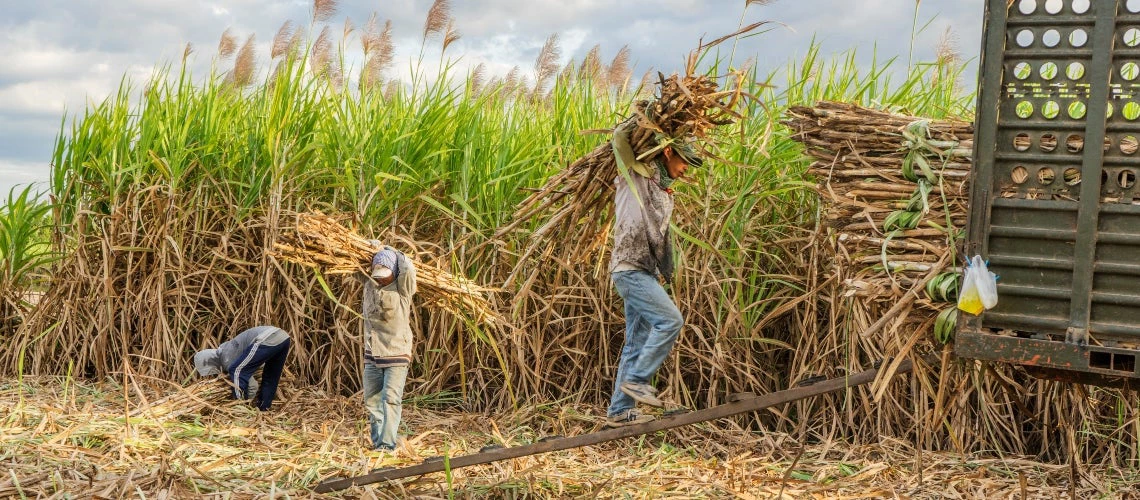
The global sugar market, a crucial player in the commodities sector, is experiencing dynamic changes influenced by a variety of factors that are reshaping the landscape. As of 2025, the market is marked by fluctuations in trading values, historical trends, and projections that carry significant implications for investors. This analysis delves into these elements, offering insights into the forces driving sugar prices and what the future holds for this commodity.
Current Trading Values and Historical Trends
The current trading values of sugar are reflective of broader economic conditions and specific market dynamics. As of early March 2025, sugar futures are trading at approximately 20 cents per pound, a figure that represents both the volatility and the potential opportunities within the market. This price point is influenced by several key factors, including production outputs from major sugar-producing countries such as Brazil and India.
Historically, the sugar market has seen significant price swings due to factors ranging from climatic conditions affecting crop yields to geopolitical events impacting trade flows. Over the past decade, sugar prices have experienced peaks and troughs, with notable highs in 2016 when prices reached over 23 cents per pound, driven by adverse weather conditions in Brazil—a leading sugar exporter—and strong demand from Asian markets.
Influencing Factors
Production Levels
Production levels remain a critical determinant of sugar prices. According to the USDA, Brazil and India together account for over 40% of global sugar production. Any changes in their output due to weather patterns or agricultural policies can have immediate effects on global prices. Recent reports indicate that Brazil's 2024/2025 sugarcane harvest is expected to be robust, potentially leading to increased exports and downward pressure on prices.
International Trade Policies
International trade policies also play a pivotal role in shaping the sugar market. Tariffs and trade agreements can either facilitate or hinder the flow of sugar across borders. The recent renegotiation of trade terms between the United States and Mexico has underscored the importance of diplomatic relations in maintaining market stability. Analysts suggest that any further trade tensions or policy shifts could lead to price volatility.
Health-Related Consumer Trends
Consumer trends, particularly the growing health consciousness, are influencing sugar demand. With an increasing emphasis on reducing sugar intake due to health concerns, there is a noticeable shift towards alternative sweeteners. This trend has prompted some sugar producers to diversify their product offerings to include low-calorie and natural sweeteners. The impact of these trends on sugar consumption is significant, with projections indicating a gradual decrease in per capita sugar consumption in developed markets.
Future Projections
The future of the sugar market is contingent on a confluence of factors. According to market forecasts, sugar prices are expected to remain relatively stable in the short term, with potential for moderate increases driven by supply constraints and steady demand from emerging markets. The International Sugar Organization forecasts a slight deficit in global sugar supply for the 2025/2026 period, which could support higher prices.
However, the market remains susceptible to unexpected disruptions. Climatic events, such as El Niño, could adversely affect crop yields, while geopolitical tensions may disrupt trade flows. Additionally, technological advancements in agriculture could lead to increased productivity, potentially altering the supply dynamics.
Expert Insights
Industry experts emphasize the importance of closely monitoring production trends, trade negotiations, and consumer preferences. "Investors should consider the multifaceted nature of the sugar market," says Dr. Emily Carter, a commodities analyst at Sparta Commodities. "While traditional factors like supply and demand remain relevant, emerging considerations such as sustainability practices and health trends are becoming increasingly significant."
Moreover, the role of sustainable practices in sugar production is gaining traction. Companies are investing in more sustainable farming techniques to meet the growing demand for ethically produced sugar. This shift not only addresses environmental concerns but also aligns with the consumer trend towards responsibly sourced products.
Conclusion
The sugar market is poised at an interesting juncture where traditional and emerging factors are intertwining to shape its trajectory. For investors, understanding these dynamics is crucial for making informed decisions. As the market continues to evolve, keeping abreast of production forecasts, policy changes, and consumer trends will be key to navigating this complex landscape. While uncertainties remain, the potential for growth and opportunities within the sugar market is palpable, offering a compelling proposition for those willing to engage with its intricacies.

For further reading on sugar market trends and projections, Trading Economics provides comprehensive data and analysis.