
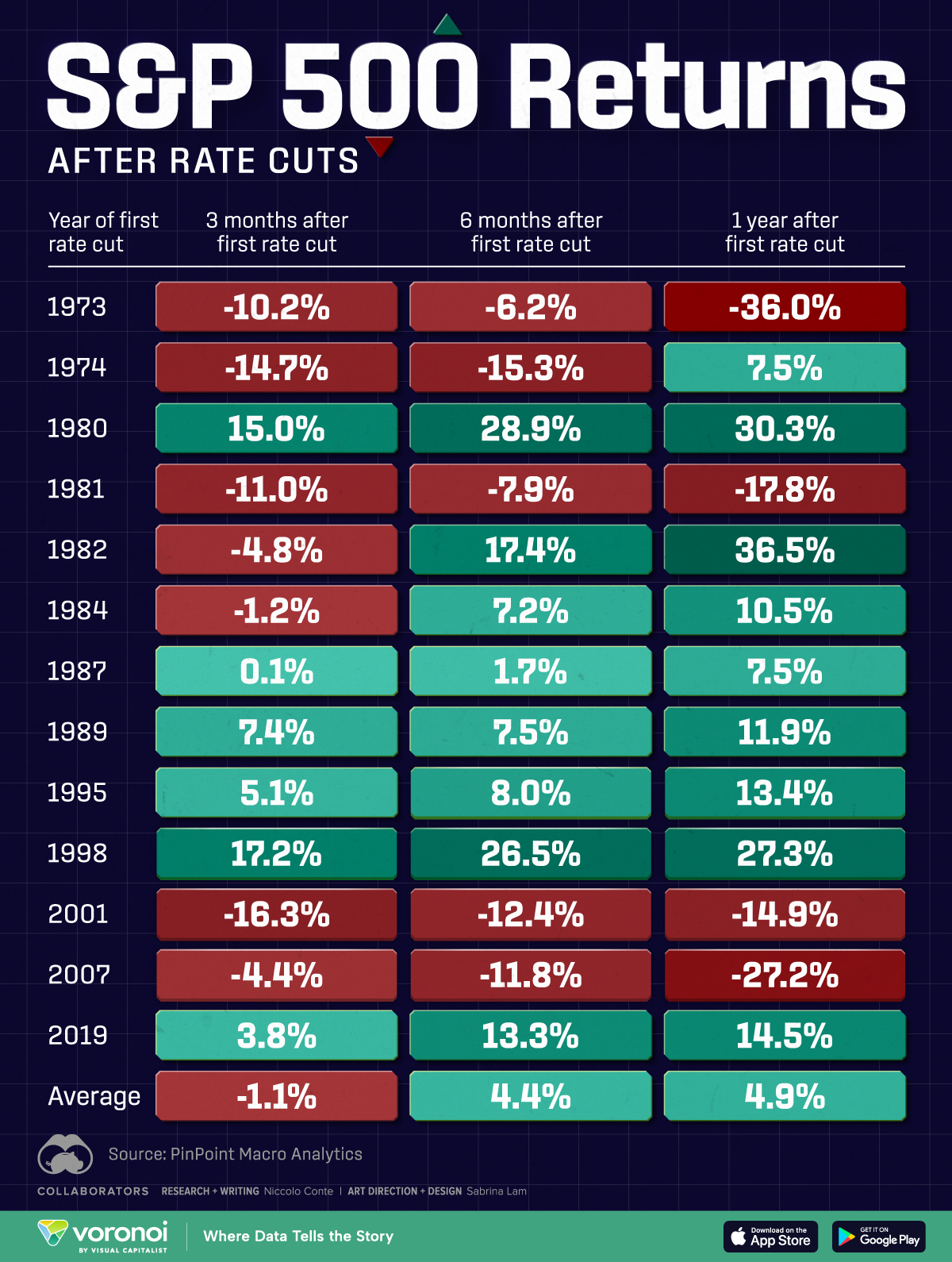
In recent weeks, the imposition of new tariff policies by the U.S. government has significantly impacted global stock markets, sparking volatility and uncertainty among investors. Historically, tariff policies have had profound effects on market dynamics, as seen during President Donald Trump's administration, where tariffs contributed to a 19.8% decline in the S&P 500 from peak to trough in 2018. This article explores the implications of current tariff proposals which could raise the average tax on U.S. imports to 13.8%, and what this means for the future of global stock markets.
Historical Context and Current Developments
The implementation of tariffs often leads to a chain reaction of economic consequences. During Trump's first term, the tariffs imposed on various imports led to significant market fluctuations. However, the market rebounded swiftly, with the S&P 500 reaching new highs by May 2019. This historical perspective suggests that while tariffs can induce short-term volatility, markets may adjust over time.
Currently, the U.S. has imposed a 25% tariff on steel and aluminum imports, and further escalations are anticipated. Trump has also proposed tariffs on imports from Europe and reciprocal tariffs on countries that retaliate. According to the Tax Foundation, these measures could elevate the average tax on U.S. imports to a level last seen in 1939. Such aggressive trade policies are raising concerns over potential market downturns.
Market Reactions and Investor Sentiment
The immediate impact of tariff announcements is often increased market volatility. U.S. stock futures recently edged up after experiencing a volatile trading day, as noted in a report by Yahoo Finance. This volatility reflects investor uncertainty about the potential economic repercussions of these trade policies.
Moreover, global markets are not isolated from these developments. The Australian ASX200 index, for instance, has decreased by 4.86% since the beginning of 2025, indicating a broader impact beyond U.S. borders (Trading Economics). This decline underscores the interconnectedness of global markets and how U.S. policies can have far-reaching effects.
Expert Insights and Future Projections
Experts predict that while the immediate market reactions to tariffs may be negative, the long-term implications depend on how trade negotiations evolve. According to CNBC, a soft inflation report recently eased some economic concerns, leading to a rebound in stock futures. This suggests that macroeconomic factors, beyond tariffs, play a significant role in shaping market trends.
Phil Fisher, known for his long-term investment strategies, emphasizes the importance of holding high-quality growth companies, which can withstand short-term market volatility (Mstar Australia). Such insights are crucial for investors navigating the current market landscape.
Conclusion and Strategic Considerations for Investors
As the U.S. continues to impose tariffs, the potential for further market volatility remains high. Investors should consider diversifying their portfolios to mitigate risks associated with these trade policies. It is essential to monitor not only tariff developments but also broader economic indicators, such as inflation and interest rates, which can significantly influence market performance.
In conclusion, while tariff policies pose challenges to global stock markets, historical data suggests that markets have the capacity to rebound. Investors should remain vigilant, leveraging expert insights and market data to make informed decisions. As the situation evolves, staying informed about policy changes and market reactions will be key to navigating the complexities of the current economic environment.