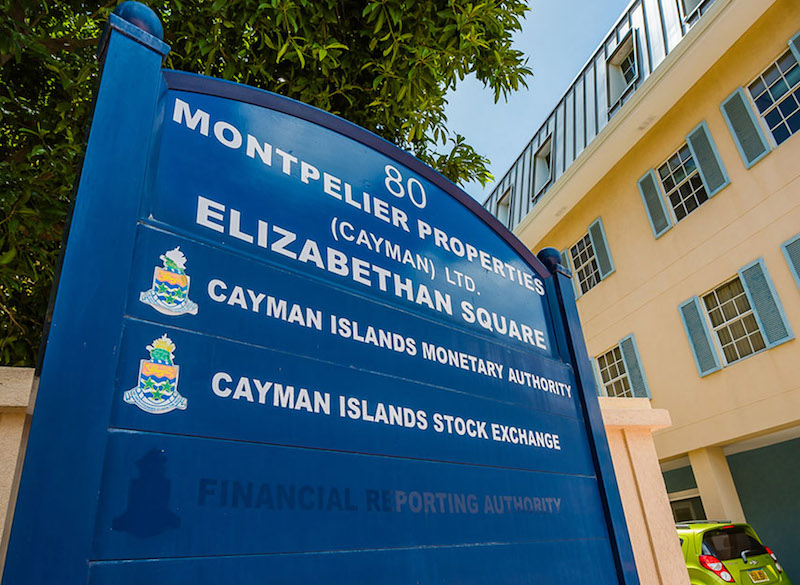
The Cayman Islands, long recognized for its robust financial services sector, has announced a pivotal update to its cryptocurrency regulatory framework, a move that signifies the island's intention to strengthen oversight and transparency in the burgeoning digital assets market. As part of the Virtual Asset (Service Providers) (Amendment) Regulations, 2025, the Cayman Islands Monetary Authority (CIMA) will require trading and custody providers to obtain the necessary licenses by April 1, 2025.

This update mandates entities dealing in virtual assets to disclose comprehensive details about the crypto assets they intend to hold. The move is seen as part of a broader strategy to align the Cayman Islands with international regulatory standards, ensuring its reputation as a premier jurisdiction for financial services is maintained in the era of digital finance.
Enhancing Regulatory Oversight
CIMA's updated framework is designed to enhance regulatory oversight, aiming to provide a safer environment for investors and a clearer structure for businesses operating in the digital assets sector. By compelling service providers to obtain licenses, the Cayman Islands ensures that all entities comply with rigorous standards that mitigate risks associated with money laundering and financial crime, which have historically been concerns in the crypto industry.
According to CIMA, "The introduction of a licensing regime is crucial for maintaining the integrity of our financial markets and protecting investors from potential risks associated with unregulated entities." The authority's proactive stance is intended to not only safeguard investors but also to attract high-quality digital asset businesses to the jurisdiction by providing a stable and well-regulated environment.
Global Context and Comparisons
This regulatory shift in the Cayman Islands mirrors similar moves in other major markets. For example, the United States has been actively reconsidering its regulatory approach, with the SEC exploring changes that could see crypto exchanges required to register as Alternative Trading Systems (ATSs), following significant public feedback. Such developments underscore a global trend towards more comprehensive regulatory frameworks as nations attempt to balance innovation with investor protection.
In the Middle East, Ripple's recent acquisition of a regulatory license from the Dubai Financial Services Authority exemplifies another region's effort to regulate crypto activities effectively. Similarly, Binance's substantial $2 billion investment from Abu Dhabi's MGX highlights the increasing institutional interest in cryptocurrencies globally, a factor that is likely driving jurisdictions like the Cayman Islands to enhance their regulatory oversight to attract more of such investments.
Implications for the Cryptocurrency Industry
The implications of the Cayman Islands' updated regulatory framework are significant for the cryptocurrency industry. By establishing clear guidelines and requiring licenses, the islands are setting a precedent that could influence other jurisdictions. For crypto businesses, this means a potentially higher cost of compliance but also an opportunity to operate in a stable and predictable regulatory environment.
Moreover, the requirement for detailed disclosures about the virtual assets held by these entities introduces a layer of transparency that could boost investor confidence. For investors, this means enhanced protection and the assurance that their investments are managed under stringent regulatory oversight.
Looking Ahead
As the deadline of April 1, 2025, approaches, trading and custody providers in the Cayman Islands will need to navigate the licensing process and ensure compliance with new disclosure requirements. This transition period will be crucial not only for service providers but also for CIMA, as it implements and enforces this updated regulatory framework.

The Cayman Islands' strategic move to update its crypto regulatory framework is a reflection of a broader global shift towards more regulation in the digital assets space. With the increasing institutionalization of cryptocurrencies, such proactive regulatory measures are likely to become the norm, shaping the future landscape of global crypto markets. As jurisdictions continue to refine their approaches, the focus will remain on fostering innovation while ensuring robust investor protection and market integrity.
For more details on the evolving regulatory landscape in the cryptocurrency sector, other developments can be explored, such as the ongoing efforts by the SEC and Ripple's expansion into the Middle East, which provide further context to the global movement towards comprehensive crypto regulation (Finance Magnates).