Crude oil futures have found themselves at the epicenter of financial market volatility, driven by a complex blend of economic shifts and geopolitical tensions. As of March 13, 2025, the market's fluctuations continue to challenge investors and traders alike, prompting a reevaluation of strategies to manage these dynamic conditions.
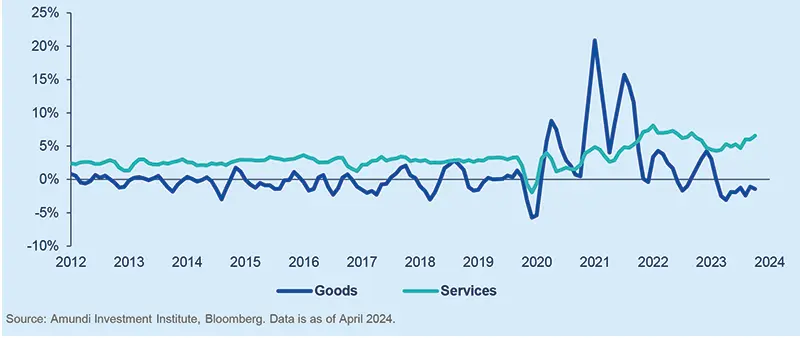
Recent data from Investing.com illustrates the current state of crude oil futures, highlighting significant price movements that have left investors grappling with uncertainty. These fluctuations are not isolated; they are deeply interwoven with global economic conditions and political landscapes.
Economic Conditions and Market Metrics
Global economic performance has played a crucial role in shaping crude oil futures. The International Monetary Fund's recent forecast suggests a slower-than-expected global economic growth rate, which has invariably influenced energy demand. Coupled with the ongoing recovery from the COVID-19 pandemic, these economic conditions have led to varied energy consumption patterns globally.
Market metrics provide further insights into this volatility. As noted on Investing.com, crude oil futures prices have faced a series of peaks and troughs, reflecting investor sentiment and market speculation. The volatility index for crude oil has shown a marked increase, indicating heightened market uncertainty.
Geopolitical Influences
Geopolitical tensions have exacerbated market volatility, with events in the Middle East and Eastern Europe playing significant roles. The recent flare-up in the Middle East has disrupted supply chains, affecting global oil distribution and pricing. Moreover, ongoing conflicts in Eastern Europe, particularly involving Russia, have added layers of complexity to the market dynamics.
OPEC's decisions have also been pivotal. The organization's production quotas and compliance rates have had far-reaching impacts on supply levels, influencing global oil prices. As OPEC aligns its strategies with member countries' interests, the resultant production decisions frequently ripple through the market, affecting futures contracts.
US Shale Production Impact
The United States, a major player in the oil production landscape, continues to wield considerable influence. US shale oil production, particularly in regions like the Permian Basin, has been a critical factor in maintaining global supply levels. However, fluctuating production levels in response to price changes have added another layer to the market's volatility.
Recent reports indicate a slowdown in shale production due to environmental regulations and investment shifts towards renewable energy sources. This slowdown has created supply constraints, contributing to the upward pressure on crude oil futures prices.
Navigating Market Volatility
For investors navigating this turbulent market, strategic positioning is imperative. Experts suggest a diversified approach, incorporating a mix of traditional assets and alternative investments to hedge against volatility. Utilizing futures contracts as part of a broader risk management strategy can help mitigate potential losses.
Furthermore, investors are advised to keep abreast of geopolitical developments and economic indicators. As noted by market analysts, understanding the interplay between these factors and the oil market is crucial for making informed investment decisions.
Expert Insights
According to Dr. Kevin Khang, a senior economist, "The crude oil market is a barometer of geopolitical and economic health. Investors must remain vigilant, as shifts in these areas can have immediate and significant impacts on oil prices."
Market intelligence and real-time data remain invaluable tools for investors. Platforms like Investing.com provide crucial insights into market conditions, enabling investors to make data-driven decisions that align with their financial objectives.
Conclusion
The crude oil futures market remains a challenging yet potentially rewarding arena for investors. By understanding the underlying economic and geopolitical factors, and employing strategic investment approaches, market participants can navigate the volatility and capitalize on emerging opportunities. As the global landscape continues to evolve, so too will the dynamics of the crude oil futures market, necessitating ongoing adaptation and diligence from investors.