ESG ETFs: A Sustainable Investment Choice
In the evolving landscape of global finance, Environmental, Social, and Governance (ESG) Exchange-Traded Funds (ETFs) have emerged as a significant pivot for investors inclined toward sustainable investing. These financial instruments are designed to track indices composed of companies excelling in ESG practices, harmonizing financial returns with ethical considerations. The rise of ESG ETFs is not merely a trend but a reflection of a growing shift in investment philosophies, aligning with global sustainability objectives.
Market Trends and Performance
The burgeoning interest in ESG ETFs is underscored by robust market data. According to iShares, ESG-focused ETFs have experienced substantial growth in assets under management (AUM), driven by an influx of investors prioritizing sustainability. For instance, the iShares ESG Aware MSCI USA ETF (ESGU) has consistently outperformed traditional benchmarks, showcasing the potential for ESG-focused funds to deliver competitive returns while adhering to sustainable principles.
A report from Morningstar highlights that ESG ETFs have attracted significant inflows, with a notable increase in the number of funds and diversity in investment strategies. This surge is propelled by heightened awareness and demand for investment products that not only promise returns but also positive environmental and social impacts.

Challenges and Considerations
Despite their popularity, ESG ETFs are not without challenges. One notable concern is the inconsistency in ESG criteria across different funds. This variability can lead to discrepancies in how sustainability is defined and measured. As Fossil Free Funds reports, the potential for 'greenwashing'—where companies may exaggerate their environmental efforts—necessitates careful scrutiny by investors.
Additionally, the lack of standardized metrics poses a challenge for investors seeking to compare ESG performance across different funds. As such, due diligence becomes crucial in ensuring alignment with personal values and investment objectives. Investors are encouraged to look beyond labels and evaluate the underlying assets and ESG scores meticulously.
Impact on Investment Strategies
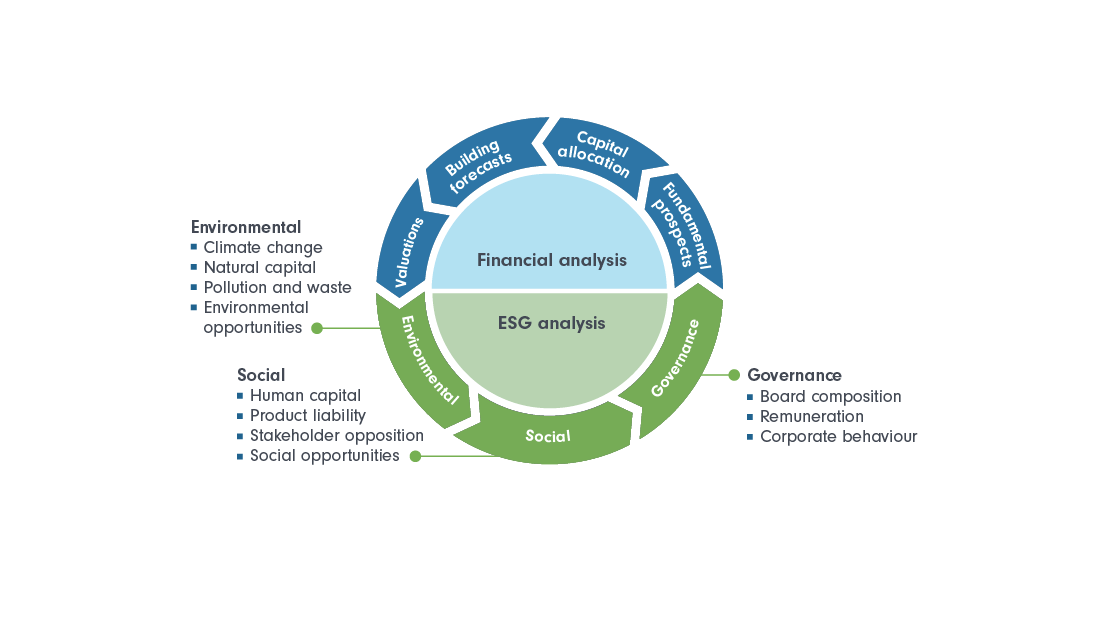
The integration of ESG factors into investment decision-making processes is reshaping traditional strategies. Investors are increasingly viewing ESG ETFs as not merely complementary but central to their portfolios. This shift is driven by a growing body of evidence suggesting that companies with strong ESG profiles tend to exhibit better operational performance and lower risk, aligning with long-term value creation.
A Schwab Asset Management analysis supports this view, highlighting that ESG-focused strategies can enhance portfolio resilience, particularly in volatile markets. By prioritizing companies that manage their ESG risks effectively, investors can potentially benefit from more stable returns and reduced downside risks.

Conclusion
As global attention to sustainability intensifies, ESG ETFs are poised to play an increasingly pivotal role in investment strategies worldwide. They offer a pathway to responsible investing, enabling investors to align their portfolios with broader societal values without compromising on financial performance. The continued evolution of ESG metrics and growing regulatory scrutiny are likely to further refine and strengthen the ESG ETF landscape, enhancing its appeal to a wider investor base.
In conclusion, while challenges remain, the growth trajectory of ESG ETFs suggests they are more than just a passing trend. As investors, financial institutions, and regulators work together to improve transparency and standards, ESG ETFs are set to become integral components of mainstream investment portfolios, reflecting a commitment to sustainable and ethical financial practices.
For investors seeking to navigate the complexities of ESG investing, platforms such as Zerodha Fund House and Mirae Asset provide comprehensive resources and innovative solutions tailored to sustainable investment needs. As the field continues to evolve, staying informed and engaged with credible resources will be key to unlocking the full potential of ESG ETFs in shaping a more sustainable financial future.