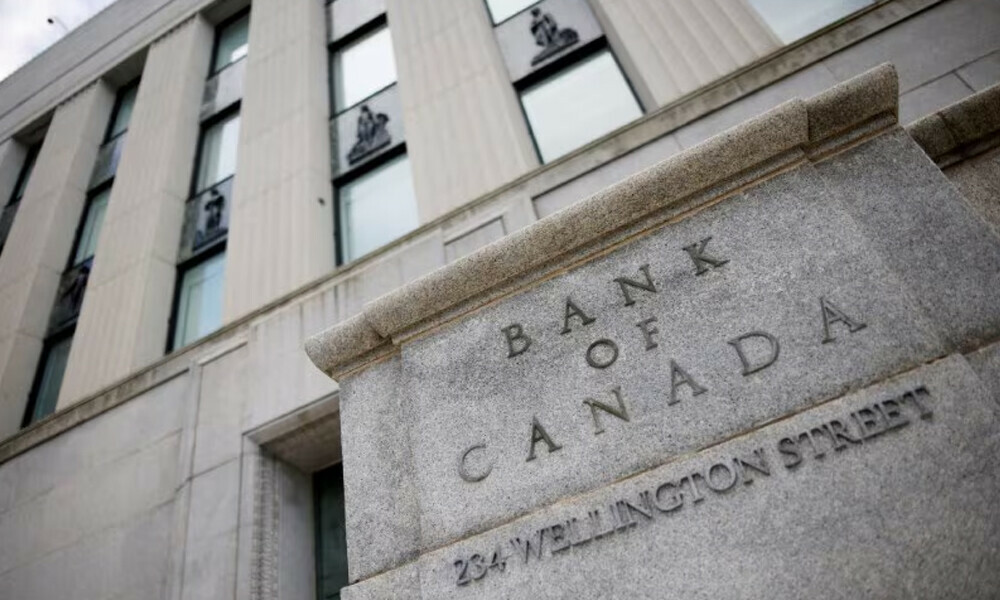
The Bank of Canada's recent decision to implement a seventh consecutive rate cut has sent ripples through the forex market, significantly altering the dynamics of currency pairs involving the Canadian dollar (CAD). This strategic monetary policy shift, aimed at stimulating the Canadian economy amid global economic uncertainties, has introduced new variables for forex traders and investors to consider.

Understanding the Rationale Behind Rate Cuts
The Bank of Canada (BoC) has been proactive in adjusting its monetary policy to counteract the effects of economic slowdowns and inflationary pressures. The persistent move to lower interest rates reflects the central bank's strategy to bolster economic activity by making borrowing cheaper, thereby encouraging spending and investment. "Our priority is to support economic recovery and maintain stability," stated Tiff Macklem, Governor of the Bank of Canada, in a recent press conference.
The decision to cut rates is not isolated; it's a reflection of broader economic challenges. With inflation rates hovering above the target and global economic growth remaining sluggish, the BoC's actions are aligned with efforts to steer the economy towards a more sustainable growth path. This approach mirrors similar trends observed in other central banks worldwide, which are also navigating complex economic landscapes.
Forex Market Implications
The rate cuts have immediate and far-reaching implications for the forex market, particularly for currency pairs involving the CAD. The USD/CAD pair, a key indicator of the CAD's performance against the US dollar, has experienced heightened volatility. As interest rates decline, the attractiveness of holding CAD-denominated assets diminishes, leading to potential depreciation of the currency. This scenario is particularly relevant for forex traders who must adjust their strategies to accommodate these shifts.
According to data from ForexLive, there's been a noticeable uptick in trading volumes involving the CAD, as traders reposition themselves in anticipation of further rate adjustments. The forex market's inherent volatility is further exacerbated by geopolitical tensions and economic policies that influence investor sentiment.
Market Expectations and Future Actions
Market analysts are closely monitoring the BoC's future moves, with many expecting the rate-cutting cycle to continue if economic conditions do not improve significantly. The central bank's forward guidance and economic projections will play a crucial role in shaping market expectations. "Traders are pricing in at least two more rate cuts by the end of the year," noted Jane Foley, a senior FX strategist at Rabobank.
The potential for continued rate cuts presents both risks and opportunities for forex traders. On one hand, prolonged low interest rates could lead to further depreciation of the CAD, impacting exporters and importers differently. On the other hand, traders focusing on short-term volatility could find profitable opportunities in the fluctuating currency markets.
Navigating the Forex Landscape
For forex traders, understanding the implications of the BoC's monetary policy is critical. Adapting strategies to leverage currency fluctuations requires a keen awareness of both macroeconomic indicators and central bank communications. "It's essential to stay informed and be agile in response to market developments," advised John Taylor, a veteran forex trader.
Beyond the immediate impact on the CAD, these monetary policy shifts also influence global forex dynamics. The interconnectedness of economies means that changes in Canadian policy can have ripple effects across other currency pairs, influencing broader market trends.
Conclusion
As the Bank of Canada continues to navigate complex economic conditions through its rate-cutting strategy, the forex market remains a dynamic arena for traders and investors. The implications of these monetary policy shifts are profound, affecting not only the CAD but also the broader forex landscape. For those engaged in forex trading, staying informed and agile is crucial in capitalizing on the opportunities and navigating the challenges presented by these evolving economic scenarios.
In conclusion, the Bank of Canada's rate cuts represent a critical juncture in monetary policy, with significant implications for the forex market. As the global economic landscape continues to evolve, the interplay between central bank policies and forex market dynamics will remain a key area of focus for traders and investors alike.