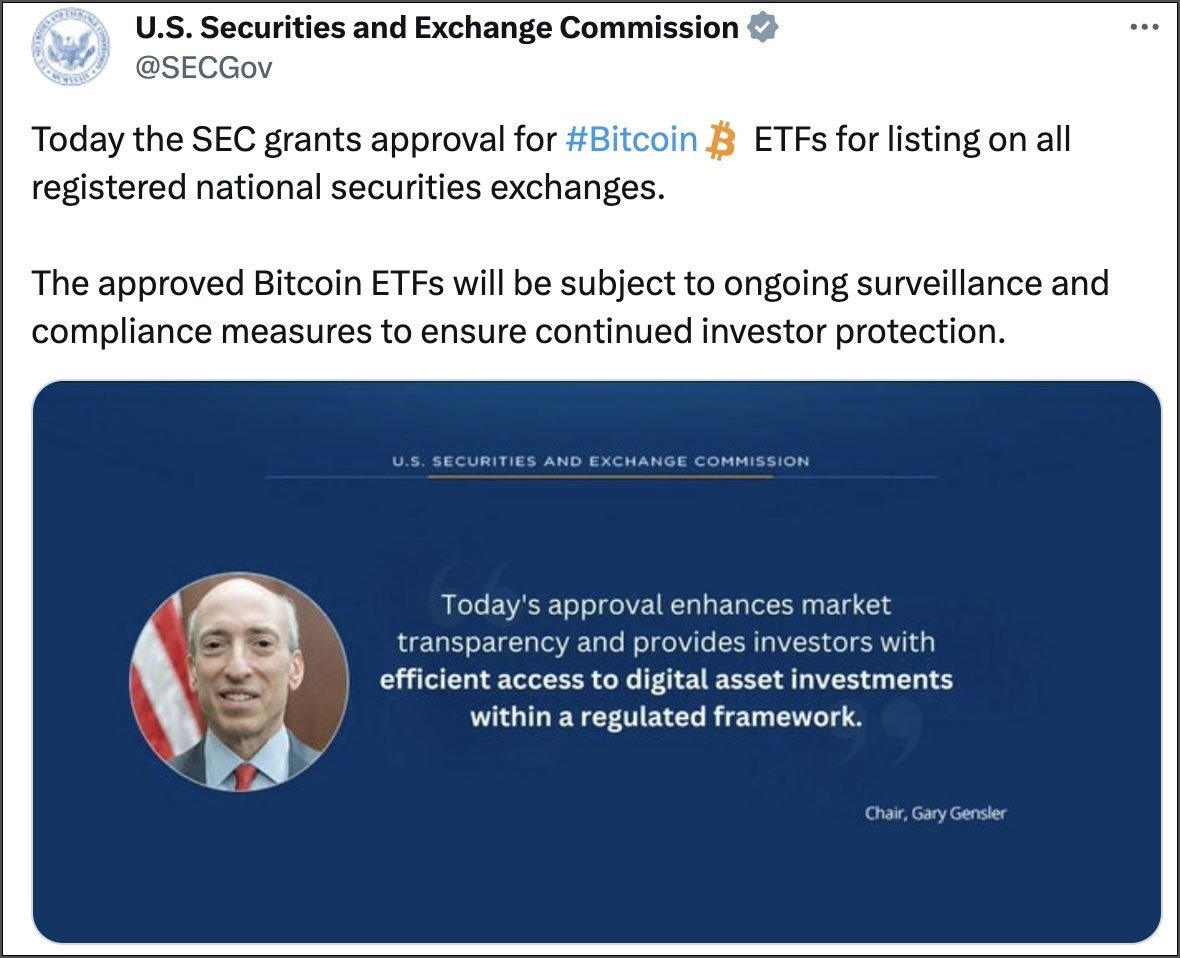
The cryptocurrency sector in the United States is navigating a complex and evolving regulatory landscape, marked by significant government actions and potential policy shifts that have the industry's stakeholders keenly watching for implications. Recent developments, particularly the dismantling of the Russian cryptocurrency exchange Garantex, underscore the global reach of U.S. regulatory measures and their impact on market dynamics.

The Garantex Operation: A Cross-Border Regulatory Endeavor
In a bold move that highlights international cooperation in financial regulation, the United States, in conjunction with Germany and Finland, successfully orchestrated the takedown of Garantex—a cryptocurrency exchange based in Russia. This operation culminated in the arrest of the exchange's administrator in India for alleged money laundering activities. Such actions illustrate the United States' commitment to policing the cryptocurrency space beyond its borders, aiming to cut off avenues for illicit financial flows. The implications of this operation are far-reaching, potentially setting a precedent for future cross-border regulatory actions aimed at combating financial crimes in the digital asset domain.
The SEC's Potential Policy Reversal: A New Direction for Crypto Exchanges?
Another significant development stirring the cryptocurrency waters is the U.S. Securities and Exchange Commission's (SEC) reconsideration of its stance on classifying crypto exchanges as Alternative Trading Systems (ATSs). This reassessment comes on the heels of substantial public feedback, suggesting a possible pivot from the SEC's earlier regulatory framework that could reshape the operational landscape for these exchanges. Should the SEC decide to abandon the ATS registration requirement, it may spur a shift in market operations, enabling more streamlined exchange functionalities while still maintaining robust investor protections. This potential regulatory shift could vastly alter the compliance costs and operational strategies of trading platforms within the U.S. market. Details of this development can be found in Finance Magnates.
Global Regulatory Ripple Effects
Beyond the U.S., ripple effects of regulatory changes are evident across the globe. Notably, Ripple has made strides in the Middle East by obtaining a regulatory license from the Dubai Financial Services Authority. This license marks a pivotal expansion for Ripple, allowing it to offer regulated crypto payment services within the Dubai International Finance Centre (DIFC) and across the UAE. Meanwhile, the Cayman Islands' updated regulatory framework mandates that trading and custody providers acquire licenses by April 2025, enhancing oversight and transparency in the region's virtual asset sector.

Institutional Moves and Market Reactions
Amidst regulatory recalibrations, significant institutional movements signal the maturing landscape of cryptocurrency investments. Binance, one of the leading cryptocurrency exchanges, secured a $2 billion investment from Abu Dhabi's MGX. This influx of capital is a testament to growing institutional interest and confidence in the digital asset space, particularly within the UAE's strategically positioned financial ecosystem. Concurrently, other players like NAGA's former CEO are gearing up to introduce new trading platforms, reflecting ongoing innovation and adaptation in the market.
Expert Perspectives and Market Outlook
Industry experts are closely monitoring these regulatory and market developments, underscoring the importance of adaptable strategies for navigating this high-stakes environment. "The regulatory landscape is in flux, and businesses must stay agile to align with both domestic and international compliance frameworks," noted Jessica Schmidt, a financial regulatory analyst. The evolving nature of U.S. regulations, coupled with international cooperative efforts, highlights both challenges and opportunities for crypto market participants. These shifts emphasize the need for strategic foresight and a proactive approach to risk management and compliance.
Concluding Thoughts
The intersection of regulatory changes and market reactions in the cryptocurrency sector is a testament to the industry's dynamism and the importance of a nuanced understanding of policy impacts. As the U.S. continues to refine its approach—highlighted by the Garantex operation and potential SEC policy reversals—market participants must remain vigilant. This vigilance allows them to capitalize on emerging opportunities while mitigating risks inherent in this volatile yet promising digital asset landscape.
For further insights and detailed information on these developments, readers are encouraged to explore resources from industry leaders such as Finance Magnates.