
In today's uncertain financial climate, high yield bonds, often colloquially known as "junk bonds," present a complex yet enticing opportunity for investors seeking higher returns. These bonds have garnered attention due to their attractive yields, which significantly outpace those of high-quality corporate bonds. However, the allure of these high returns comes hand in hand with elevated risk levels, necessitating a careful balancing act for investors.
Understanding High Yield Bonds
High yield bonds are corporate bonds that have a credit rating below investment grade. This lower rating reflects a higher risk of default compared to investment-grade bonds. The ICE BofA U.S. High Yield Index tracks the performance of these bonds, providing a useful benchmark for investors looking to measure their performance against the broader market. Currently, these instruments offer yields in the range of 7-8%, with spreads exceeding 200 basis points over comparable high-quality bonds that yield approximately 5% with narrower spreads around 65 basis points.
The Risk-Reward Dynamics
The primary attraction of high yield bonds is their potential for higher income, which can be particularly appealing in a low-interest-rate environment. However, the increased yield comes with heightened credit risk, as these bonds are issued by companies with weaker financial positions. Market volatility can further exacerbate these risks, as seen in recent market shifts driven by geopolitical tensions and economic uncertainties.
According to MacKay Shields, a firm known for its strategic bond positioning, high yield bonds are considered "the cleanest sheet in a dirty pile of corporate risk." They advocate for allocating marginal investment dollars into these bonds, given their superior yield prospects compared to higher-quality bonds. This approach underscores the importance of strategic differentiation in bond investing, especially when navigating complex market conditions.
Risk Management Strategies
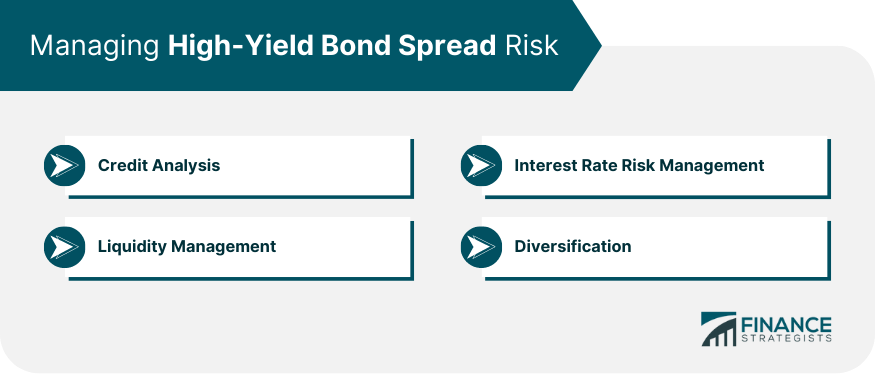
Investors keen on high yield bonds should apply rigorous risk management strategies. New York Life Investments advises on diversifying across sectors and geographies to mitigate idiosyncratic risk associated with individual issuers. Diversification, coupled with a disciplined selection process, can help investors achieve a favorable risk-adjusted return profile.
Moreover, understanding the nuances of interest rate risk is crucial. High yield bonds are particularly sensitive to interest rate changes, which can affect their market value. As interest rates rise, the prices of existing bonds tend to fall, a risk that must be carefully managed through strategic duration positioning.
Current Market Conditions
The current market dynamics are shaped by several factors. The U.S. Federal Reserve's ongoing interest rate hikes to combat inflation have resulted in increased market volatility. High yield bonds, with their longer durations, are more susceptible to these shifts, which can impact their attractiveness relative to other fixed-income securities.
Against this backdrop, investors must weigh the potential for higher returns from high yield bonds against the backdrop of rising interest rates and the associated increase in default risk. Notably, as noted by Vanguard's experts, while the bond market has endured a challenging period, the potential for a rebound exists, especially as the cycle of rate hikes nears its conclusion.

Expert Insights
Financial experts emphasize the importance of an informed approach to investing in high yield bonds. Daniel Shaykevich, a portfolio manager at Vanguard, highlights that "higher yields available now mean there’s likely more upside than downside." This perspective suggests that as the market adjusts to higher interest rates, the focus should be on total returns, allowing the compounding effect of higher interest rates to benefit investors over time.
Similarly, Roger Aliaga-Díaz, chief economist for the Americas at Vanguard, points out that bonds have consistently outperformed cash over long periods, even when cash yields appear attractive. This historical outperformance underscores the strategic value of maintaining or increasing exposure to high yield bonds, even amid market volatility.
Conclusion
In conclusion, high yield bonds present a compelling opportunity for investors seeking enhanced returns in today’s challenging market environment. However, they require a nuanced understanding of the associated risks and a strategic approach to risk management. By focusing on diversification, duration management, and comprehensive credit analysis, investors can potentially leverage the attractive yields of high yield bonds while mitigating risks. As the market continues to navigate economic uncertainties, these bonds remain a pivotal component of a diversified investment strategy, offering both risk and reward in equal measure.
For those with a robust appetite for risk and a strategic mindset, high yield bonds offer a pathway to potentially superior returns, underscoring their relevance in a diversified investment portfolio. As with any investment, due diligence, and a well-considered approach are essential to capitalize on the opportunities within the high yield bond market.