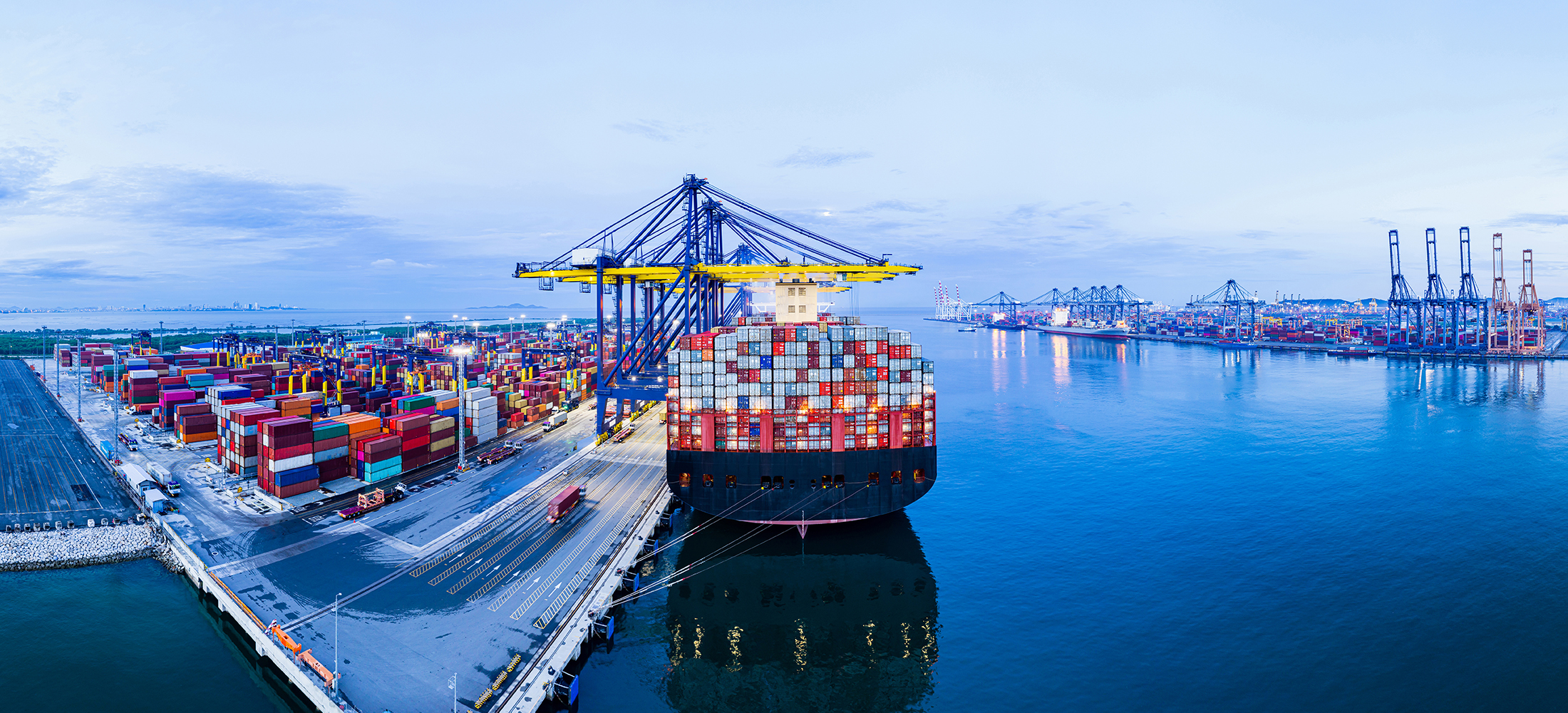
In the intricate landscape of global trade, the containerized freight index stands as a pivotal indicator of economic health, reflecting the dynamic cost of shipping goods across international waters. This index not only mirrors the ebb and flow of trade activities but also provides critical insights into the broader economic conditions that influence business operations and investment strategies worldwide.
Recent Trends in the Containerized Freight Index
The containerized freight index has been experiencing significant fluctuations, driven by a confluence of geopolitical tensions and shifting economic policies. According to Trading Economics, recent data indicates that the index has been oscillating in response to varying demand for shipping containers, influenced by factors such as trade tariffs, supply chain disruptions, and evolving trade agreements.

In the past year, the index saw an initial surge due to increased demand during the pandemic recovery phase, as businesses sought to replenish inventories. However, this was followed by a period of contraction as geopolitical tensions, notably between the United States and China, imposed new tariffs and regulatory challenges on global trade routes.
Implications for Global Trade
The movements in the containerized freight index are not merely statistical; they hold profound implications for global trade. A rising index typically signals higher shipping costs, which can compress profit margins for exporters and importers alike. This, in turn, affects pricing strategies, supply chain decisions, and ultimately, consumer prices.
As noted by market analysts, "The containerized freight index acts as an economic barometer, providing insights into the health of global trade flows. Businesses need to adapt to its signals to remain competitive in an increasingly volatile market." This adaptability is crucial for maintaining operational efficiency and cost-effectiveness in the face of fluctuating shipping expenses.
Strategic Considerations for Investors and Businesses
For investors and businesses engaged in international trade, understanding and responding to trends in the containerized freight index is essential. Companies can employ various strategies to mitigate risks associated with shipping cost volatility. These include diversifying supply chains, optimizing logistics operations, and negotiating flexible contracts with shipping providers to hedge against potential price increases.

Moreover, investors can leverage data from the index to forecast trends in global trade and make informed decisions regarding asset allocation. By closely monitoring shifts in the index, investors can identify early signals of economic recovery or downturns, allowing for strategic adjustments in investment portfolios.
The Role of Economic Policies and Geopolitical Tensions
Economic policies and geopolitical tensions play a significant role in shaping the containerized freight index. The imposition of trade tariffs, changes in international trade agreements, and diplomatic relations between major economies directly impact shipping costs and trade volumes. For instance, recent tariffs imposed by the US and retaliatory measures by trade partners have introduced new complexities in trade logistics, influencing the index's trajectory.
Industry experts highlight that "trade barriers and protectionist policies can lead to supply chain inefficiencies and increase transportation costs, ultimately affecting the global competitiveness of businesses." Therefore, staying informed about policy changes and geopolitical developments is crucial for stakeholders involved in global trade.
Conclusion
The containerized freight index remains a vital tool for gauging the state of global trade. Its fluctuations provide a window into the economic factors influencing international commerce, offering valuable insights for businesses and investors aiming to navigate the complexities of the global market. As the world continues to grapple with economic uncertainties and geopolitical shifts, the index will serve as an indispensable resource for strategic decision-making and risk management in global trade.
In this evolving landscape, maintaining a keen understanding of the containerized freight index's implications will be essential for businesses and investors seeking to capitalize on opportunities and mitigate risks in international trade.