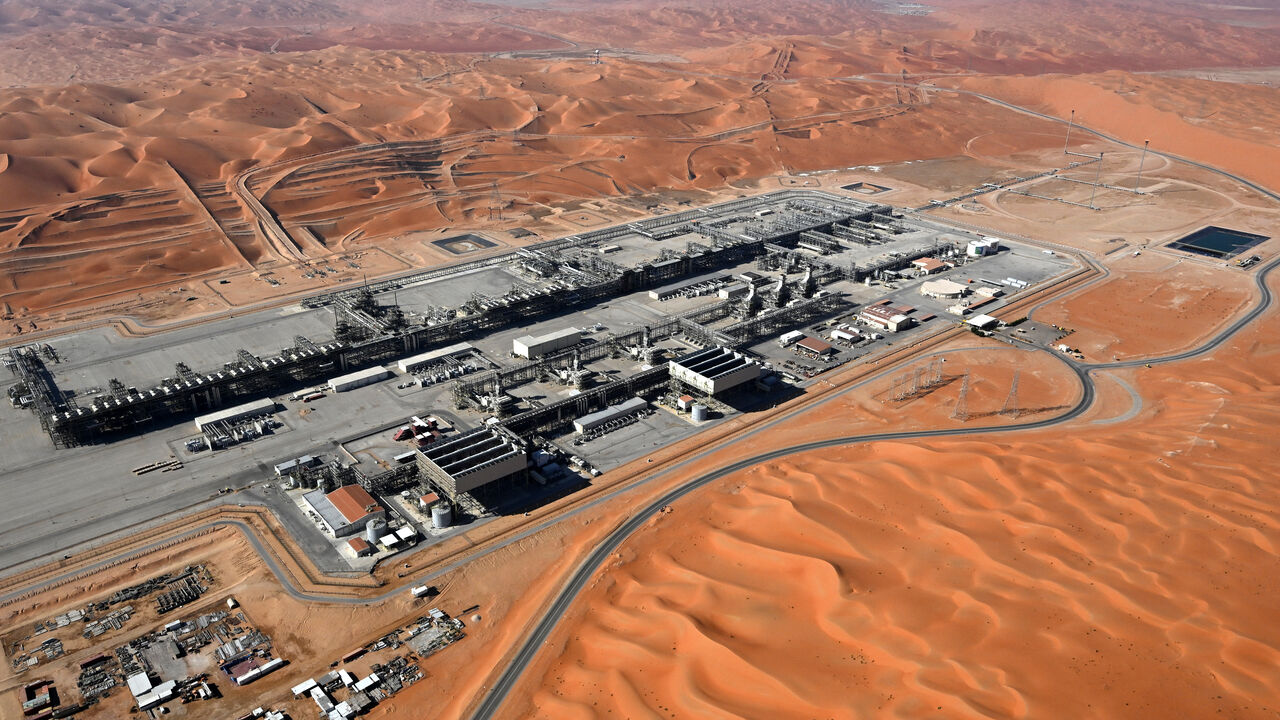
Brent oil futures have been consistently trading below the $70 threshold, a scenario significantly shaped by the uncertainties surrounding tariff policies. As of March 13, 2025, Brent oil futures were pegged at $69.50, marking a slight increase of 0.06% from the previous day's figures. This status quo reflects a market that is cautiously responding to the volatile nature of tariff discussions, primarily driven by the United States' shifting fiscal strategies.
The geopolitical climate, particularly the tension surrounding U.S. tariff decisions, plays a pivotal role in influencing global economic growth projections. This, in turn, impacts the demand for commodities, including crude oil. Brent oil, being a benchmark in the global oil market, provides insight into broader market trends and investor sentiment.

Tariff Induced Uncertainty and Market Volatility
The current landscape underscores the impact of tariff uncertainties on market dynamics, as noted by energy analysts from The Hindu Business Line. The fear of retaliatory tariffs and potential escalation of trade wars has investors bracing for increased market volatility. Such conditions necessitate strategic adjustments, including hedging and diversification to mitigate risks associated with fluctuating oil prices.
Market analyst Warren Patterson from ING Think highlights that "the oil market seems to be largely ignoring geopolitical truces, focusing instead on economic indicators and tariff implications." This sentiment is echoed across the commodities trading community, where the anticipation of policy shifts influences trading strategies and risk assessments.
Global Economic Implications
Tariff uncertainties have a ripple effect, impacting not only oil prices but also broader economic indicators. The slowdown in major economies like China, which has seen deflationary trends, further exacerbates the situation. The interdependency of global economies means that any tariff-induced slowdown would affect global commodity demand, particularly in energy markets.
Brent oil, a critical component in the energy sector, is sensitive to such macroeconomic shifts. The price elasticity of oil means that even minor changes in demand forecasts can lead to significant price adjustments, impacting profitability for stakeholders involved in energy production and trading.
Strategic Considerations for Investors
For investors, the current market conditions call for a keen focus on geopolitical developments and central bank policies. The U.S. Federal Reserve's monetary policy, coupled with fiscal measures, will play a crucial role in shaping future market dynamics. Investors are advised to closely monitor policy announcements and economic data from major economies to better position their portfolios in response to potential market shifts.
Moreover, the integration of hedging strategies in investment portfolios can provide a buffer against market volatility. The use of derivatives and futures contracts can help manage exposure to price fluctuations and safeguard investment returns in turbulent times.
Conclusion
As the Brent oil futures continue to hover below the $70 mark, driven by ongoing tariff uncertainties, stakeholders in the energy sector must remain vigilant. The complexities of geopolitical tensions and economic policy shifts require a nuanced understanding and strategic foresight. Investors are encouraged to stay informed and agile, leveraging insights and analytics to navigate this challenging yet potentially rewarding landscape.
This analysis underlines the importance of strategic planning and risk management in the face of economic uncertainties, highlighting Brent oil as a barometer for global economic health and investor sentiment. As markets evolve, so too must the strategies employed by those looking to capitalize on the opportunities within the energy sector.