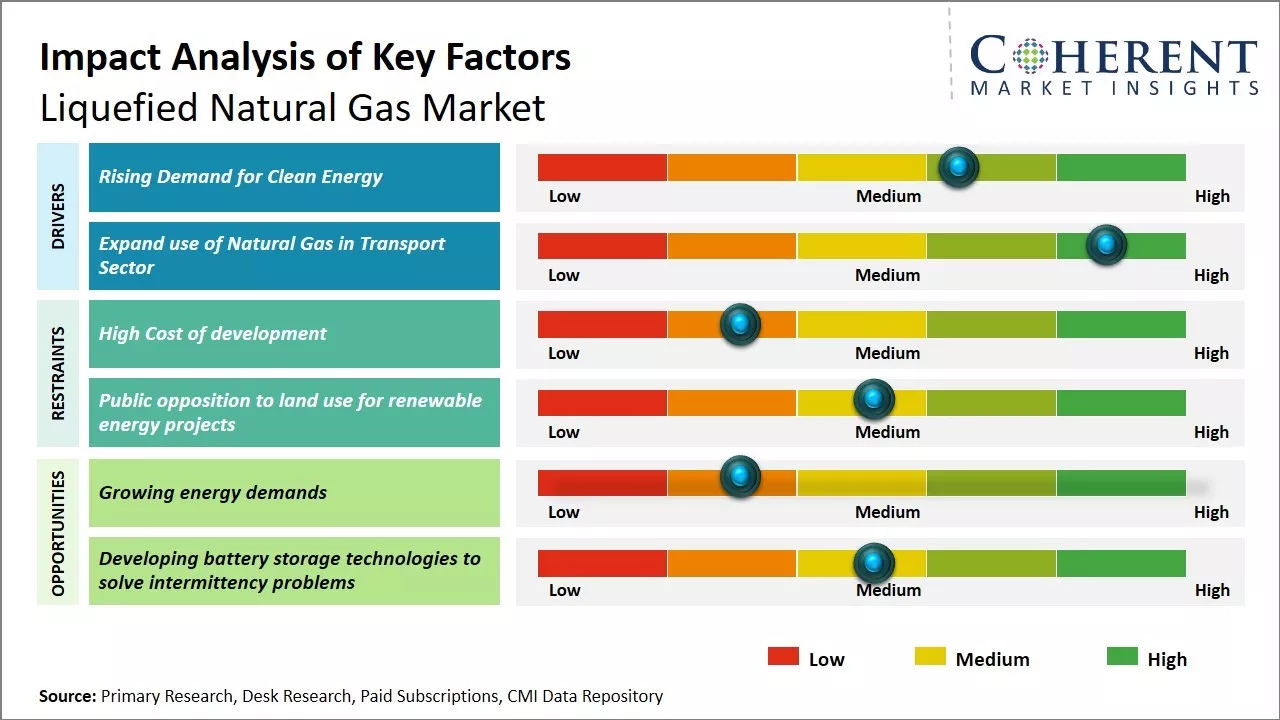
The global natural gas market is navigating a particularly volatile phase, shaped by geopolitical tensions and evolving energy policies. As of March 2025, natural gas prices are experiencing notable fluctuations, reflecting the broader uncertainty permeating global energy markets. The intricate interplay between supply constraints and geopolitical dynamics is reshaping the landscape for investors and policymakers, who must carefully assess the sector's future trajectory.
Current Market Trends
Natural gas prices have shown significant volatility, with recent trading figures hovering around $6.00 per million British thermal units (MMBtu) on the Henry Hub. This marks a notable increase from the lows of the previous year, driven largely by geopolitical factors and supply disruptions. The conflict between Russia and Ukraine has particularly intensified concerns over energy security in Europe, which heavily relies on Russian gas.
The European Union's response has been multifaceted, involving both immediate countermeasures and long-term strategic adjustments. For instance, Europe is accelerating its transition towards renewable energy sources and diversifying its natural gas supply, increasingly looking to the United States, Qatar, and Norway as alternative suppliers. This shift is underscored by the European Commission's recent commitment to reduce reliance on Russian gas by two-thirds by the end of the decade.
Geopolitical Tensions and Energy Policies
Geopolitical tensions are exerting a profound impact on the natural gas market. The ongoing conflict in Ukraine has disrupted supply chains and prompted sanctions that have curtailed Russian gas exports. As a result, European countries are exploring new alliances and investments in liquefied natural gas (LNG) infrastructure to secure long-term energy stability.
The United States, having positioned itself as a major LNG exporter, stands to benefit from this shift. According to the U.S. Energy Information Administration (EIA), American LNG exports reached an all-time high earlier this year, as European demand surged. The U.S. energy sector is poised to capitalize on this demand, with several new LNG projects in development to enhance export capacity.
In Asia, natural gas consumption continues to rise, driven by economic growth and a pivot towards cleaner energy sources. China and India, two of the largest energy consumers, are both expanding their LNG import capacity. This growing demand in Asia, coupled with Europe's strategic pivots, is reshaping global gas flows and influencing market dynamics.
Market Volatility: Risks and Opportunities
The natural gas market's volatility presents both risks and opportunities for investors. On one hand, geopolitical uncertainties and supply disruptions pose significant challenges. On the other hand, the transition towards cleaner energy and the diversification of supply chains offer potential growth avenues.
For investors, understanding the intricacies of the market is crucial. Industry experts emphasize the importance of monitoring geopolitical developments and policy changes that could impact supply and demand dynamics. An analysis from ICIS highlights the need for robust risk management strategies, given the current market volatility.
"Investors must navigate a complex landscape," says Mark Gerstein, an energy market analyst at ICIS. "With geopolitical tensions and shifting energy policies, understanding the broader context is vital for making informed investment decisions."
Long-term Outlook
Looking ahead, the natural gas market is poised for continued evolution as countries grapple with the dual challenges of energy security and environmental sustainability. The International Energy Agency (IEA) projects that global natural gas demand will grow by approximately 1.5% annually through 2030, with Asia accounting for the majority of this increase.
In Europe, energy diversification and the integration of renewables are expected to gradually reduce the region's reliance on natural gas. However, the transition period will likely maintain a significant role for natural gas as a bridge fuel, facilitating the shift from coal and oil to cleaner alternatives.
As energy policies continue to evolve, natural gas markets will need to adapt to changing regulatory landscapes. The push towards decarbonization and the implementation of carbon pricing mechanisms are anticipated to further influence market dynamics. Investors must remain vigilant, assessing the potential impacts of regulatory changes on asset valuations and market positioning.
Conclusion
The natural gas market is at a pivotal juncture, with geopolitical tensions and shifting energy policies driving volatility and uncertainty. For investors and policymakers, navigating this complex environment requires a nuanced understanding of market trends and geopolitical dynamics. By staying informed and adopting strategic approaches, stakeholders can effectively manage risks and capitalize on emerging opportunities in the evolving energy landscape.
As the global energy transition accelerates, natural gas is expected to play a critical role in balancing energy security and sustainability goals. The actions taken by countries and companies in response to current challenges will shape the future of the natural gas market and its contribution to the global energy mix.