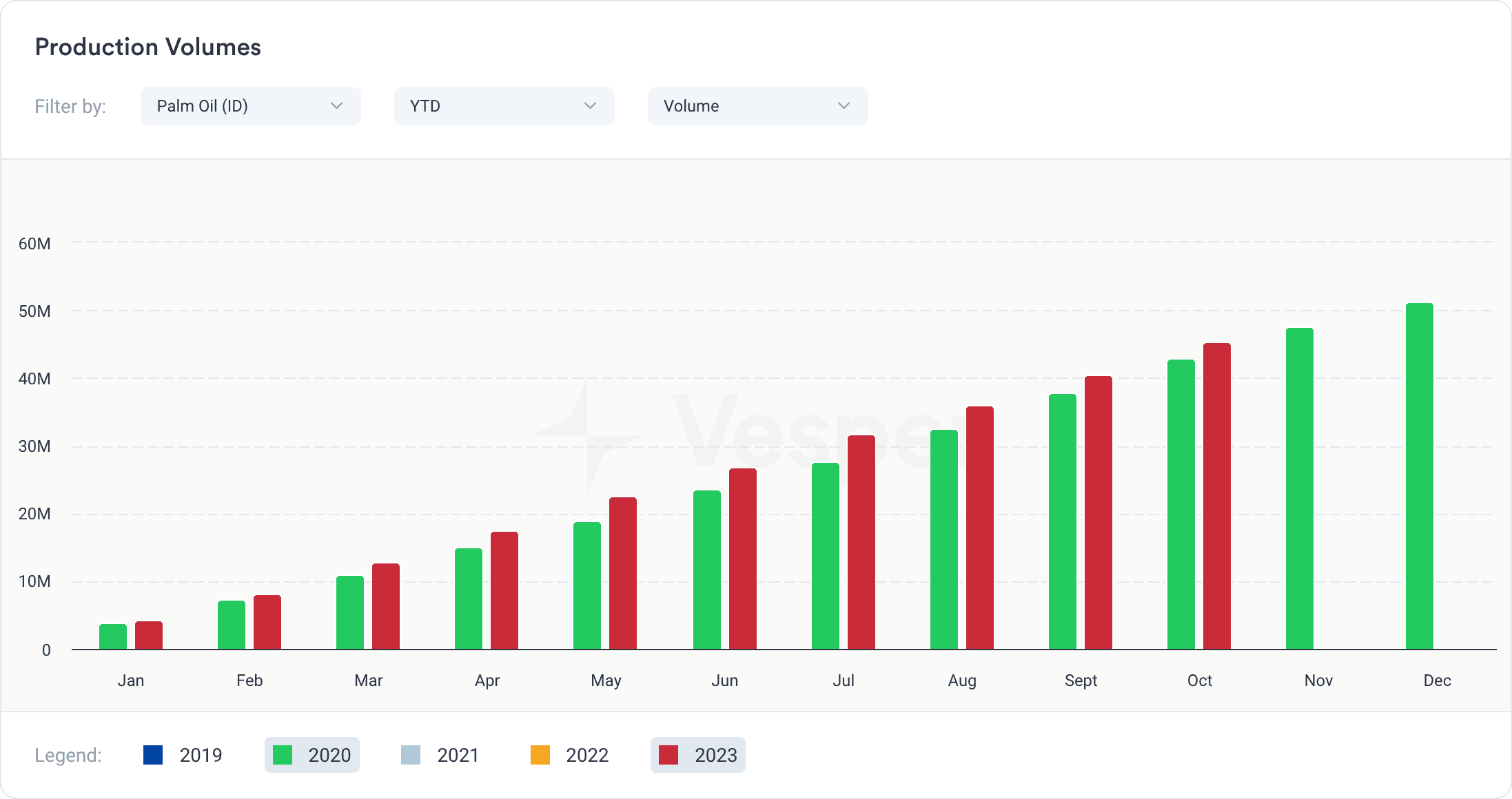
In the global landscape of agricultural commodities, the palm oil market stands out for its complexity and dynamism. Currently, the industry is navigating through significant shifts driven by sustainability concerns, regulatory changes, and evolving consumer preferences towards healthier oils. These factors, coupled with historical price fluctuations, have created a volatile environment, posing challenges and opportunities for stakeholders to ensure sustainable growth and profitability.
Current Market Dynamics
The current price of palm oil hovers around $960 per metric ton, reflecting a decrease from previous highs due to a variety of market pressures. Sustainability has emerged as a pivotal concern, with consumers increasingly opting for products perceived as environmentally friendly. This shift is evidenced by a growing demand for certified sustainable palm oil (CSPO), which, according to the Roundtable on Sustainable Palm Oil (RSPO), now accounts for over 19% of global palm oil production.
The regulatory landscape is also undergoing transformation. The European Union, a major consumer, has imposed stringent import standards to curb deforestation, leading to potential trade barriers for non-compliant producers. "The EU's deforestation regulation is set to reshape trade dynamics, significantly impacting nations that rely heavily on palm oil exports," noted James Smith, a commodities analyst at ICIS.
Historical Data and Price Fluctuations
Historically, palm oil prices have been susceptible to fluctuations driven by supply disruptions and climatic events. In 2020, prices surged to over $1,100 per metric ton due to adverse weather conditions in Malaysia and Indonesia, the world's leading producers. "Weather patterns have a profound impact on palm oil yields. For instance, La Niña conditions can lead to excessive rainfall, disrupting harvests," explained Mei Ling, a meteorologist specializing in agricultural forecasts.
Future Projections
Looking ahead, analysts predict continued volatility in the palm oil market. The International Monetary Fund (IMF) forecasts a moderate increase in global prices, driven by rising biofuel demand and tighter supply conditions. However, the market's trajectory will heavily depend on the success of sustainability initiatives and the enforcement of trade regulations.
"A shift towards biofuels, particularly in emerging markets, could bolster demand for palm oil, but only if production practices align with global sustainability standards," stated Dr. Anil Patel, an energy economist with the World Bank. As stakeholders strategize to meet these demands, innovations in agricultural practices and supply chain enhancements will be crucial.
Navigating Market Volatility
For investors and producers, navigating the palm oil market necessitates a nuanced understanding of both macroeconomic indicators and sector-specific trends. Companies are increasingly adopting vertical integration strategies to mitigate risks and enhance control over supply chains. This approach not only stabilizes operations but also aligns with sustainability goals.
"The integration of digital technologies, such as blockchain and remote sensing, offers unprecedented transparency and efficiency in tracking the sustainability of palm oil production," remarked Sarah Thomson, a consultant with McKinsey & Company.
Conclusion
As the palm oil industry faces an intersection of economic, environmental, and regulatory challenges, stakeholders must adopt strategic approaches to thrive in this evolving landscape. By prioritizing sustainability and innovation, the industry can not only meet the demands of discerning consumers but also ensure long-term viability and profitability.
In summary, while the palm oil market is poised for growth, it requires a concerted effort from producers, consumers, and policymakers to address the critical issues at hand. As the industry adapts, those who embrace change and prioritize sustainability will likely emerge as leaders in this essential sector.