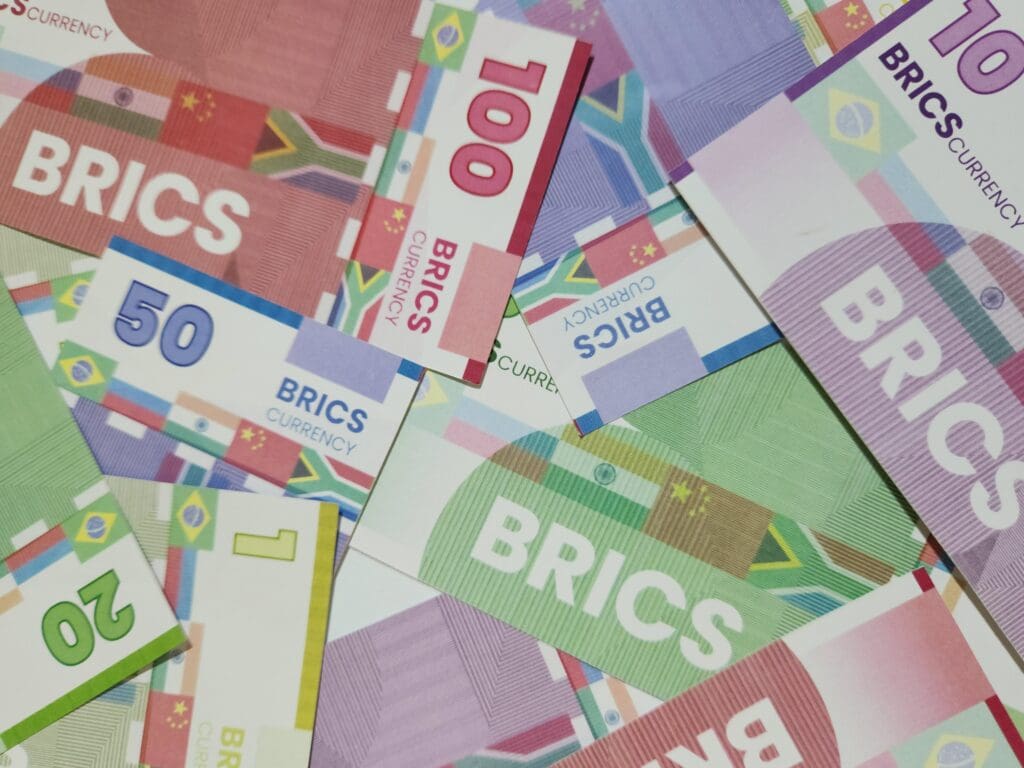
In an ambitious move that signals a significant shift in the global financial landscape, Brazil is reportedly leading an initiative to propose a blockchain-based payment system within the BRICS economic bloc. This group, comprising Brazil, Russia, India, China, and South Africa, seeks to reduce reliance on the US dollar for cross-border transactions, a strategy that could redefine economic dynamics within and beyond the bloc.
The Strategic Initiative
Brazil's proposal aims to leverage the decentralized nature of blockchain technology to enhance financial independence and streamline transactions among BRICS nations. By adopting a blockchain-based system, these countries hope to minimize the risks associated with currency exchange rate fluctuations and reduce transaction costs, which are often exacerbated by the reliance on the US dollar.
"The implementation of a blockchain system could foster greater economic cooperation and integration among BRICS countries," said Dr. Elena Silvestri, an international finance expert. "This move could potentially strengthen the bloc's economic resilience against external economic shocks."

Potential Economic Implications
The proposed payment system could have profound implications for global trade dynamics. For one, it underscores a growing trend among emerging markets to seek alternatives to the US dollar. This shift is partly motivated by the desire to mitigate the impact of US monetary policy on their economies, which can often be significant given the dollar's dominant role in global finance.
Moreover, a successful implementation of this system could inspire other regional blocs to consider similar approaches, potentially leading to a more fragmented global currency system. "We are witnessing the beginning of a multipolar currency world," remarked Jorge Ramos, an economist specializing in emerging markets. "While this transition will not happen overnight, the BRICS initiative is a step in that direction."
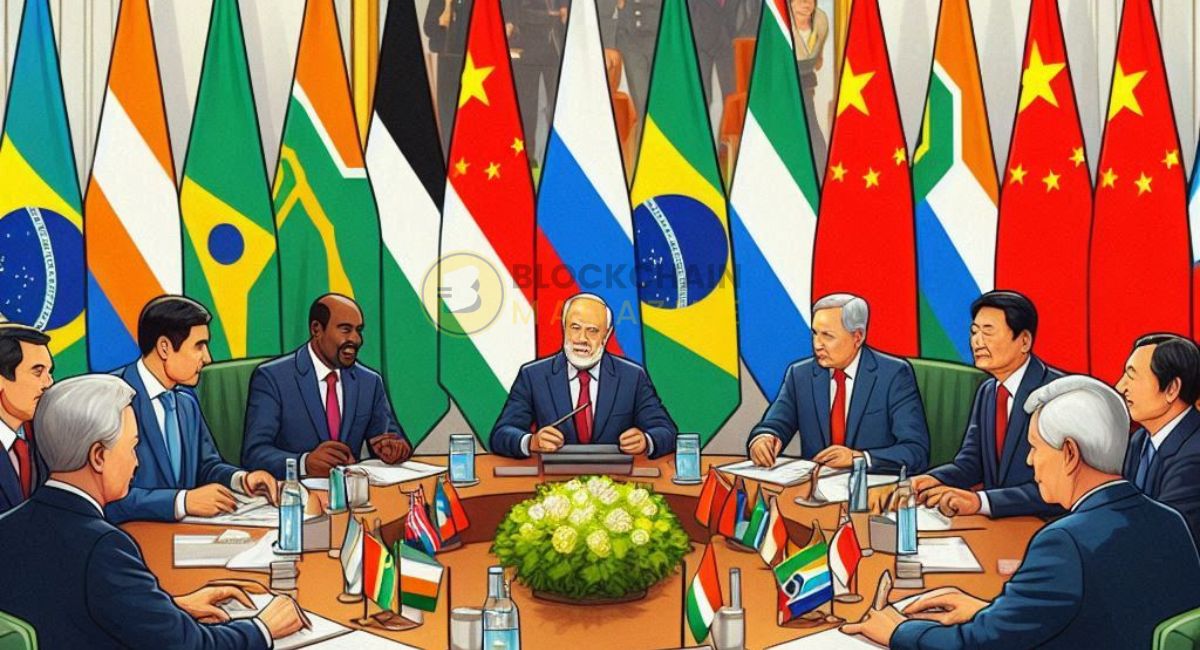
Challenges and Considerations
Despite its potential benefits, the proposed system is not without challenges. Implementing a blockchain-based payment solution on such a scale requires robust technological infrastructure and a high degree of interoperability among national financial systems. Moreover, ensuring security and privacy in transactions is paramount, given the increasing prevalence of cyber threats.
"Blockchain technology offers enhanced security features compared to traditional systems, but the risk of cyber attacks remains a critical concern," noted Dr. Rajiv Menon, a cybersecurity specialist. "Developing effective regulatory frameworks and cross-border legal agreements will be crucial in addressing these risks."
Furthermore, political and economic alignments within the BRICS countries themselves could pose hurdles. Divergent national interests and economic priorities may complicate consensus-building efforts necessary for the system's adoption and smooth functioning.
Global Trade Dynamics and Strategic Motivations
The strategic motivations behind Brazil's leadership in this initiative are multifaceted. By spearheading this effort, Brazil not only positions itself as a key player within the BRICS bloc but also enhances its influence in global economic forums. This initiative is consistent with Brazil's broader foreign policy strategy of promoting South-South cooperation and reducing dependence on Western financial systems.
"Brazil's leadership in this proposal aligns with its long-term strategic goals of economic modernization and greater integration into global trade networks," commented Carla Mendes, a senior analyst at the International Trade Institute. "By advancing this initiative, Brazil is reinforcing its commitment to fostering a more equitable and diversified global economic system."

Conclusion
The proposal for a blockchain-based payment system within the BRICS bloc represents a bold step towards redefining how these countries manage cross-border transactions. While the initiative promises increased financial independence and reduced transaction costs, its success will depend on overcoming technological, regulatory, and geopolitical challenges.
As the world watches this development unfold, it remains to be seen how this potential shift will impact the global financial architecture and whether it will serve as a catalyst for broader changes in international monetary systems. The outcome of Brazil's proposal could well mark the beginning of a new era in global finance, characterized by greater currency diversification and regional economic autonomy.
For more details on this initiative, visit the source.