
The Dow Jones Industrial Average (DJIA), an essential barometer of the U.S. stock market, has recently demonstrated significant volatility, reflecting the broader market uncertainties and shifts in investor sentiment. With the index experiencing a series of ups and downs, investors find themselves navigating a complex landscape driven by both domestic and international economic factors. As of March 2025, these fluctuations are not merely a reflection of transient market forces but a result of deeper economic dynamics and policy shifts.
To understand the present state of the DJIA, it's crucial to examine the broader economic context. According to Jim Baird, Chief Investment Officer at Plante Moran Financial Advisors, there has been a notable "reevaluation of risk and a sentiment shift to the downside." This shift is driven by concerns over inflationary pressures and the Federal Reserve's monetary policy stance. As markets brace for potential interest rate hikes, investor caution has translated into increased volatility.
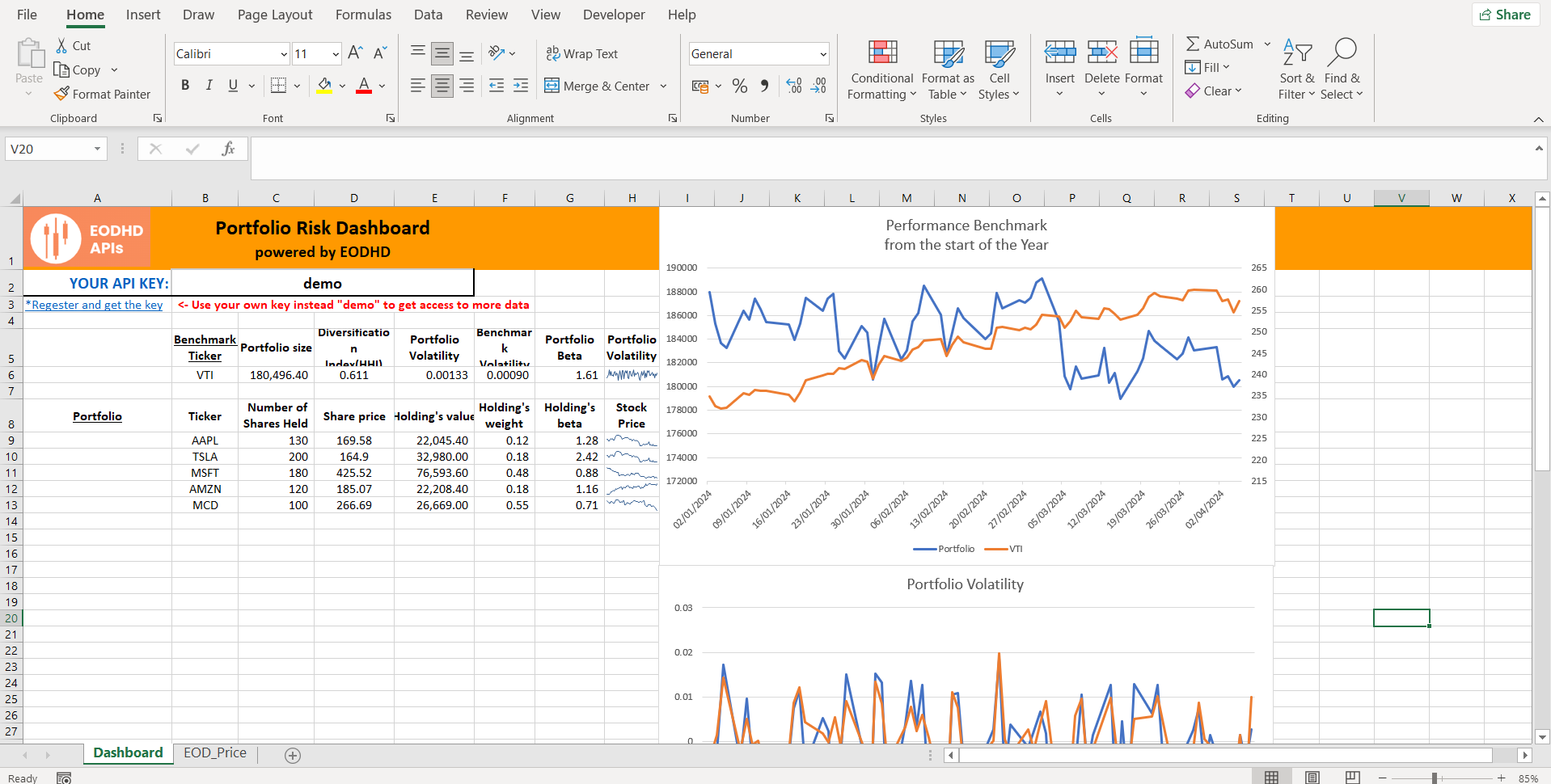
In response to these market conditions, financial experts recommend a strategic approach that emphasizes risk management and diversification. One such recommendation is to consider high-quality bonds as a safer investment alternative. According to Baird, "For those who don't want to take too much risk on stocks or are already dependent on their investment portfolio," high-quality bonds offer a stable yield without the risk associated with equities. However, he cautions against committing to longer-duration bonds due to potential inflationary trends that could erode their value.
Ken Mahoney, CEO of Mahoney Asset Management, echoes the sentiment for caution but advises maintaining a strategic focus on quality stocks, specifically highlighting the resilience of technology and healthcare sectors. Mahoney notes that sectors with strong fundamentals can offer both stability and growth potential in a turbulent market. He emphasizes the importance of tactical moves, suggesting that "when the good stuff is on sale," it might be an opportune moment to invest in high-quality equities.
This perspective aligns with the investment philosophy of David Booth, a prominent figure in value investing. Booth advises that in times of heightened market anxiety, it is crucial to avoid impulsive decisions such as attempting to time the market. Instead, he advocates for maintaining a balanced portfolio and employing strategies like dollar-cost averaging—investing fixed amounts at regular intervals—to mitigate risk and take advantage of market recoveries.
The DJIA's recent performance is further complicated by geopolitical and economic developments that add layers of uncertainty. The ongoing trade dynamics and tariff discussions, particularly between major economies, have been significant drivers of market sentiment. Historically, such tensions have led to periods of volatility and have necessitated a cautious approach from investors.
Moreover, market analysts, including Jeff Blazek of Neuberger Berman, anticipate that the current market conditions might persist until greater clarity on trade policies and economic growth prospects emerges. Blazek suggests that while the market may experience a "sideways" movement in the near term, there is potential for a recovery once the prevailing "wall of worry" dissipates.
For investors seeking to navigate this challenging environment, staying informed and adaptable is key. Monitoring economic indicators, understanding sector-specific dynamics, and consulting with financial professionals can provide valuable insights and guidance. As market conditions evolve, strategic allocation across a diversified portfolio remains a prudent approach to mitigate risks and capitalize on potential market opportunities.
In summary, the current trends in the Dow Jones Industrial Average underscore the complexity of today's investment landscape. With expert insights highlighting the importance of risk management and strategic allocation, investors are better equipped to navigate the uncertainties and seek opportunities for growth amidst volatility. As always, maintaining a long-term perspective and adhering to sound investment principles can help weather the inevitable market fluctuations.