
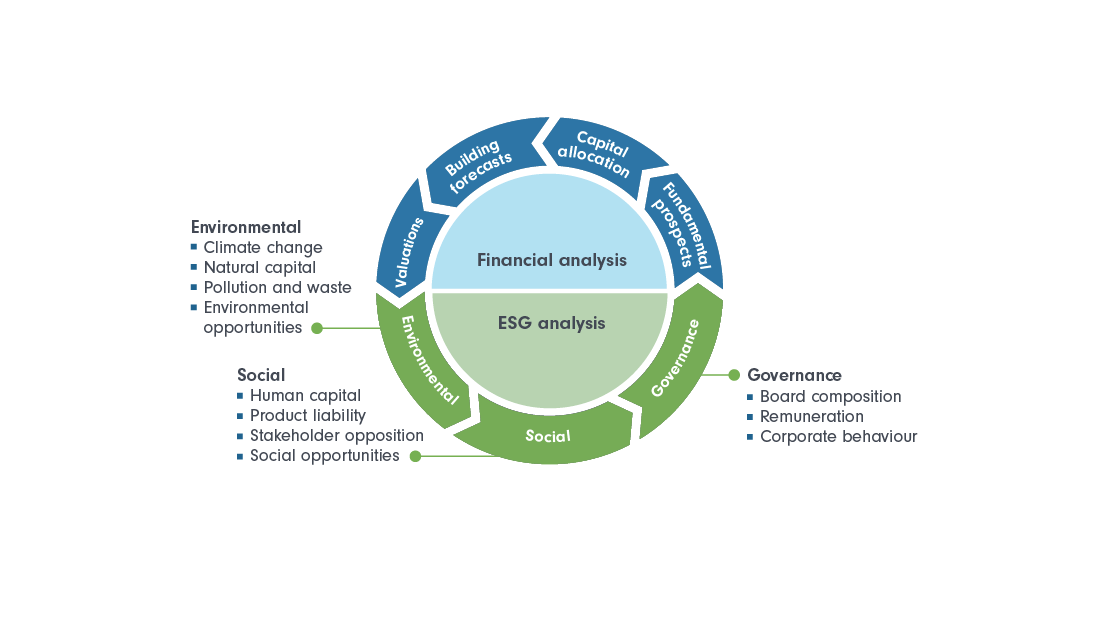
The importance of sustainable investing has risen significantly in recent years, and Exchange Traded Funds (ETFs) that focus on Environmental, Social, and Governance (ESG) criteria have become central to this movement. ESG ETFs, such as the Mackenzie Global Women's Leadership ETF, are designed to integrate sustainability factors into investment strategies, offering investors a way to align their portfolios with ethical and environmental values while potentially realizing long-term financial returns.
The Rise of ESG ETFs
The growth of ESG ETFs is fueled by increasing global awareness of issues like climate change, social justice, and corporate governance. Investors are no longer solely focused on financial returns; they are also concerned about the impact their investments have on the world. According to Morningstar, the number of ESG-focused funds has surged, with assets surpassing $2 trillion globally by 2024, as more investors integrate these criteria into their decision-making processes.
The Mackenzie Global Women's Leadership ETF, for instance, emphasizes gender diversity and leadership within its investment framework. This specific focus not only aligns with ESG principles but also taps into a growing body of research indicating that companies with diverse leadership teams tend to outperform their less diverse counterparts financially, adding an additional layer of appeal to these investments.
Methodologies and Criteria: Understanding the Variability
It is crucial for investors to recognize that not all ESG ETFs are created equal. The methodologies and criteria for selecting companies can vary significantly from one fund to another, impacting both the nature of the investments and their outcomes. For example, while one ETF might prioritize environmental sustainability, another might focus more heavily on social impact or governance standards.
This variability requires investors to conduct thorough due diligence when choosing ESG ETFs. According to insights from MSCI ESG Research, metrics used to evaluate ESG performance can differ widely, and investors must understand these benchmarks to ensure alignment with their values and investment goals.
Impact on Sustainable Investing Practices
The influence of ESG ETFs extends beyond individual portfolios to the broader investment landscape. By channeling capital into companies that meet ESG criteria, these funds can drive corporate behavior towards more sustainable practices. The potential for positive change is substantial, as the flow of funds into sustainable investments pressures companies to enhance their ESG performance to attract capital.
In addition, ESG investing has demonstrated resilience, even in volatile markets. During the economic uncertainties of recent years, ESG funds have often outperformed traditional funds, as companies with strong governance and sustainable practices are generally better equipped to navigate disruptions. This resilience further solidifies the position of ESG ETFs as attractive options for both risk-averse and return-seeking investors.
Challenges and Opportunities
Despite their advantages, ESG ETFs face challenges, including regulatory scrutiny and the need for standardized ESG metrics. The lack of uniform standards can lead to "greenwashing," where funds may appear more sustainable than they are. However, initiatives by regulatory bodies across the globe aim to address these issues by developing clearer guidelines and frameworks for ESG reporting and investment.

The opportunity for growth in the ESG ETF space remains vast. As awareness and education around sustainable investing continue to expand, so too does the demand for investment products that align financial goals with ethical considerations. This trend is reflected in the increasing number of ESG ETFs and their growing assets under management.
The Future of ESG ETFs
Looking ahead, the role of ESG ETFs in shaping sustainable investing is poised to grow. As more investors, particularly from younger generations, prioritize ethical considerations in their investment choices, the market for ESG-focused products is expected to expand. Investment firms are likely to continue innovating, offering more sophisticated products that incorporate advanced ESG metrics and cater to diverse investor preferences.
Ultimately, ESG ETFs are more than just investment vehicles; they represent a shift in how investors view the impact of their money. By bridging the gap between financial performance and social responsibility, these funds offer a pathway to achieving sustainable investment objectives while contributing to a more sustainable future.
For more detailed information on specific ESG ETFs like the Mackenzie Global Women's Leadership ETF, investors can explore resources available on Mackenzie Investments’ website.
As the landscape of sustainable investing evolves, ESG ETFs stand at the forefront, offering a compelling blend of ethical alignment and potential financial rewards. Their growing influence underscores the importance of integrating ESG considerations into mainstream investment strategies, heralding a new era of conscious investing.