
The landscape of forex trading is undergoing a remarkable transformation with the advent of robo-advisors, heralding a new era of automation in the financial markets. These platforms, known for their automated and algorithm-driven strategies, are simplifying and democratizing access to forex trading, traditionally a domain reserved for seasoned traders and financial institutions. As of now, robo-advisors like Metatrader 5 have managed an impressive $360 billion in assets under management in the U.S., illustrating their rapid adoption and significant impact on the market.
A Revolution in Forex Trading
Robo-advisors are digital platforms that provide automated, algorithm-based financial planning services with minimal human intervention. They offer investors an efficient way to engage in forex trading by eliminating the emotional biases that often accompany manual trading. According to Advisorpedia, robo-advisors are particularly effective in offering disciplined approaches to trading, devoid of fear and greed, which are common pitfalls in human trading decisions.

The integration of robo-advisors into forex trading platforms has been a game-changer, making trading more accessible and less intimidating for novice investors. The traditional barriers to entry, such as high minimum investment requirements typically associated with human financial advisors, are significantly reduced. This democratization of access allows a broader audience to participate in the forex markets, encouraging a new demographic of traders to explore the potential of these financial instruments.
Enhancing Accessibility and Efficiency
The automated nature of robo-advisors facilitates a seamless trading experience, where investors can engage with the market without the need for deep expertise in forex trading. The platforms deploy sophisticated algorithms to manage portfolios, making real-time decisions based on market conditions. As noted by Advisorpedia, the ability of robo-advisors to continuously monitor and adjust portfolios ensures they remain aligned with the investor's risk tolerance and objectives.
Additionally, robo-advisors contribute to trading efficiency by offering 24/7 market access through mobile applications and online platforms. This constant accessibility is particularly beneficial in a global market like forex, which operates around the clock across different time zones.
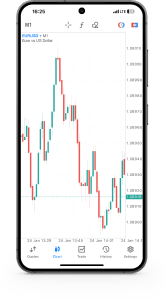
The Role of Automation in Strategy Execution
Robo-advisors are programmed to execute predetermined strategies, removing the emotional component from trading. This mechanized approach prevents impulsive decisions based on market volatility, often leading to more consistent performance over time. As highlighted in the search results, the automation provided by robo-advisors can enhance diversification by automatically distributing investments across multiple currency pairs or strategies, thus reducing exposure to volatility in any single currency.
Future Prospects and Challenges
As the technology underpinning robo-advisors continues to advance, their role in forex trading is expected to expand further. The potential for integrating machine learning and artificial intelligence offers promising avenues for even more sophisticated trading solutions, capable of adapting to changing market conditions with minimal human oversight.
However, despite their many advantages, robo-advisors are not without challenges. The reliance on algorithms means that system failures or programming errors could lead to significant financial losses. Moreover, while they provide valuable tools for managing risk, they cannot wholly eliminate it, and investors must remain aware of the inherent risks in forex trading, as cautioned by sources like Myfxbook.
In conclusion, the rise of robo-advisors marks a pivotal shift in forex trading, characterized by increased automation and accessibility. By offering emotion-free, algorithm-driven strategies, these platforms are reshaping the way investors interact with the forex markets. As robo-advisors continue to evolve, they promise to bring enhanced efficiency and accessibility to both novice and experienced traders, solidifying their role as a valuable component of modern investment strategies.