
The global corn market is currently navigating a complex landscape shaped by U.S. tariffs. Despite these challenges, U.S. corn exports to the European Union (EU) have reached unprecedented levels, underscoring the resilience and adaptability of the agricultural export sector. This article explores the myriad factors propelling this trend, including shifts in EU demand and strategic responses by U.S. exporters, while analyzing broader implications for global trade dynamics in light of ongoing tariff negotiations and geopolitical tensions.

Record U.S. Corn Exports: A Resilient Agricultural Sector
Amidst the backdrop of high tariffs, U.S. corn exports to the EU have surged, illustrating a record-breaking performance that defies traditional market expectations. According to S&P Global, American corn shipments have reached a pivotal juncture, spurred by increased demand from European countries looking to diversify their agricultural imports amid global supply chain disruptions.
The influence of tariffs, while significant, has not stymied the robust flow of U.S. corn. Instead, it has compelled exporters to innovate and adapt, finding new efficiencies and markets that have offset the intended deterrent effects of these tariffs. "Despite the barriers, U.S. corn remains competitively priced and highly sought after," notes John Miller, a commodities analyst with Market Insights.
The European Demand Shift
The surge in U.S. corn exports can be partially attributed to a shift in EU demand. European countries, grappling with their own agricultural production challenges due to adverse weather conditions and policy constraints, have increasingly turned to U.S. corn as a reliable alternative.
This shift is also influenced by the EU's regulatory adjustments, which have opened pathways for higher imports of genetically modified corn — a category where the U.S. leads. This regulatory evolution has been pivotal in facilitating the record volumes being exported despite the high tariffs.
Strategic Responses by U.S. Exporters
U.S. exporters have strategically pivoted to capitalize on this demand. Leveraging advanced logistics and innovative trade practices, they have mitigated tariff impacts by optimizing supply chains and exploring new shipping routes. These efforts have been supported by governmental initiatives aimed at bolstering agricultural exports, further cushioning the blow of international tariffs.
The U.S. Department of Agriculture (USDA) has played a crucial role, providing market intelligence and resources to enable exporters to navigate these complex trade environments effectively. "Our focus has been on enabling exporters to maintain competitiveness in the face of challenging international policies," states a USDA spokesperson.
Broader Implications for Global Trade
The case of U.S. corn exports to the EU amidst tariff challenges highlights significant implications for global trade. It underscores the importance of agility and adaptability in international markets that are increasingly susceptible to political and economic disruptions.
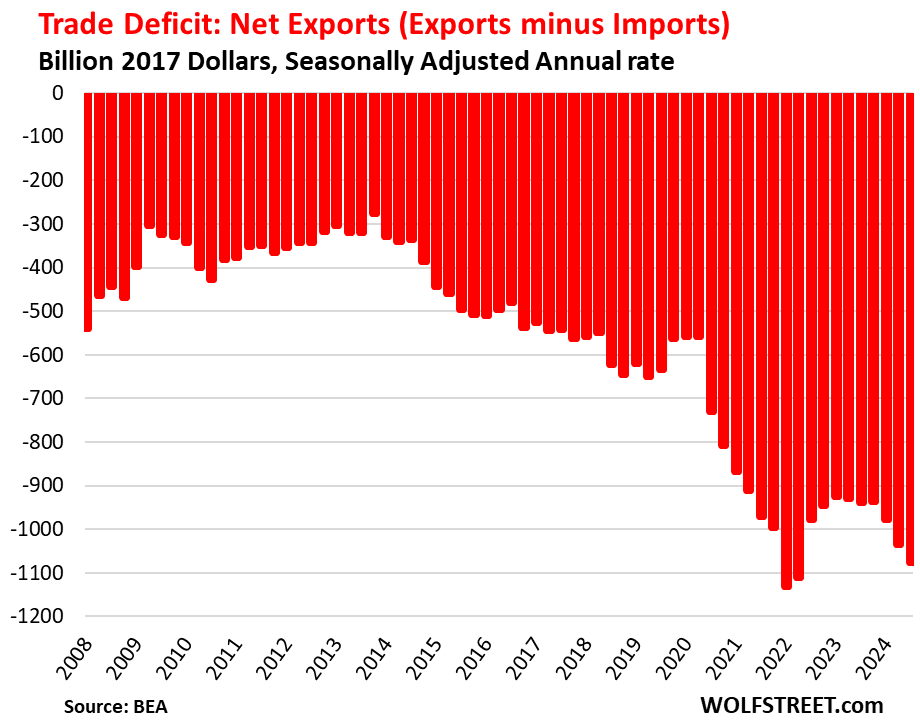
The resilience of U.S. corn exports serves as a microcosm of broader global trade dynamics, where flexibility and strategic foresight are paramount. As geopolitical tensions and tariff disputes continue to evolve, market participants are likely to see further shifts in trade patterns across various commodities.
Moreover, the ongoing tariff negotiations present both risks and opportunities for stakeholders. A resolution could ease current constraints, potentially expanding market access and reducing costs. Conversely, prolonged disputes may necessitate further adaptive measures from exporters and importers alike, fostering an environment of continuous innovation.
Future Trade Dynamics
Looking ahead, the trajectory of U.S. corn exports and global corn trade will hinge on the resolution of tariff disputes and the ability of agricultural sectors to adjust to new norms. The EU's demand for diversified imports and sustainable agricultural products will likely continue to shape the market landscape, influencing trade policies and practices.
In conclusion, the global corn market, as evidenced by the U.S.-EU trade dynamics, demonstrates the intricate interplay between tariffs, market demand, and strategic adaptation. As the world navigates these complexities, the resilience and ingenuity of exporters will remain a cornerstone of international trade success. This trend offers valuable insights for investors and policymakers aiming to navigate and capitalize on these evolving global trade dynamics.