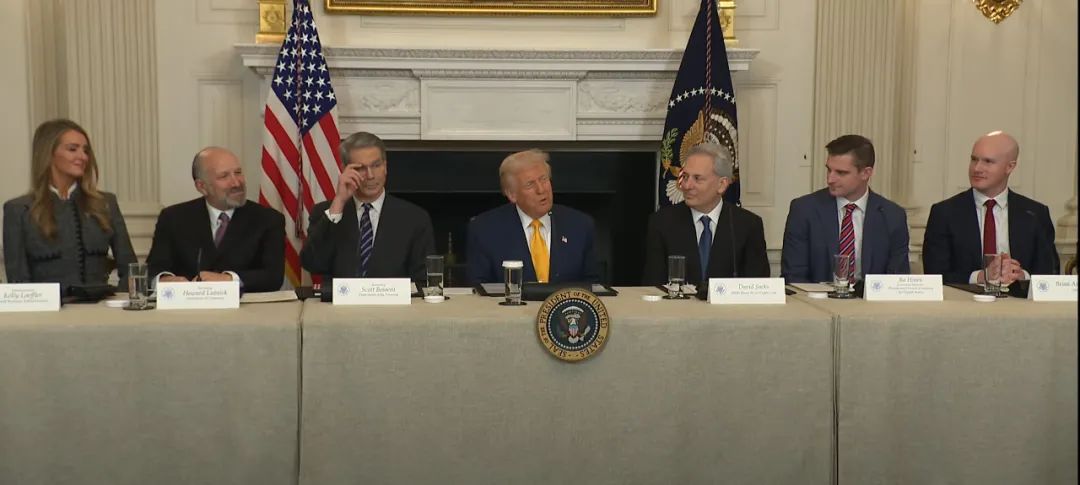
The announcement of the United States' Strategic Bitcoin Reserve marks a historic pivot in the nation's approach to digital assets, positioning Bitcoin as a critical component of the country's financial strategy. This initiative, spearheaded by President Donald Trump through an executive order, is designed to capitalize on the burgeoning significance of Bitcoin as a "digital gold" and asserts America's ambition to lead in the global cryptocurrency arena without imposing new burdens on taxpayers.

This strategic maneuver by the U.S. government involves creating a reserve funded by Bitcoin seized through criminal and civil asset forfeitures. The executive order stipulates that the government will not sell these assets but retain them as a store of value, akin to a digital version of Fort Knox. It is estimated that the U.S. government currently possesses approximately 200,000 Bitcoins, though a full audit is mandated to confirm the actual holdings.
Brock Pierce, Chairman of the Bitcoin Foundation, commented on this development during an appearance on 'Varney & Co.', stating, "This is the moment the crypto industry has been waiting for. With strategic reserves, the U.S. can firmly plant itself as a leader in the digital economy." His sentiments reflect a broader optimism within the crypto community, viewing this move as a necessary step towards legitimizing digital currencies on a national scale.
The implications of this policy are multifaceted. Firstly, it signals a significant endorsement of Bitcoin's role as a stable store of value, which may influence its perception in broader financial markets. As nations worldwide grapple with the implications of digital currencies, the U.S. move could prompt similar initiatives abroad, potentially affecting global Bitcoin demand and pricing dynamics.

Geopolitical Ramifications
The strategic reserve also hints at broader geopolitical ramifications. By establishing a Bitcoin reserve, the U.S. positions itself strategically in a domain increasingly influenced by technological and financial innovations. Analysts suggest that other major economies might pursue similar strategies to not fall behind in the digital currency race. As noted by financial expert Kevin O'Leary on Fox Business, "Crypto is moving towards becoming the 12th sector of the U.S. economy, and a strategic reserve is a crucial step in that direction."
This initiative comes amidst increasing scrutiny and volatility within the cryptocurrency markets, exacerbated by regulatory uncertainties and environmental concerns. Bitcoin's environmental footprint, in particular, has been a contentious issue. However, the strategic reserve could potentially serve as a catalyst for more sustainable practices, as the government might leverage its holdings to influence greener mining practices.
Market Impact and Investor Sentiment
Since the announcement, Bitcoin has experienced a 5.5% price increase over the past five days, reflecting investor enthusiasm. Other cryptocurrencies, such as Cardano and XRP, have also seen significant gains, with increases of 41% and 19.8% respectively. This uptick underscores the market's positive reception to the potential stability and legitimacy that a U.S. strategic reserve could bring.
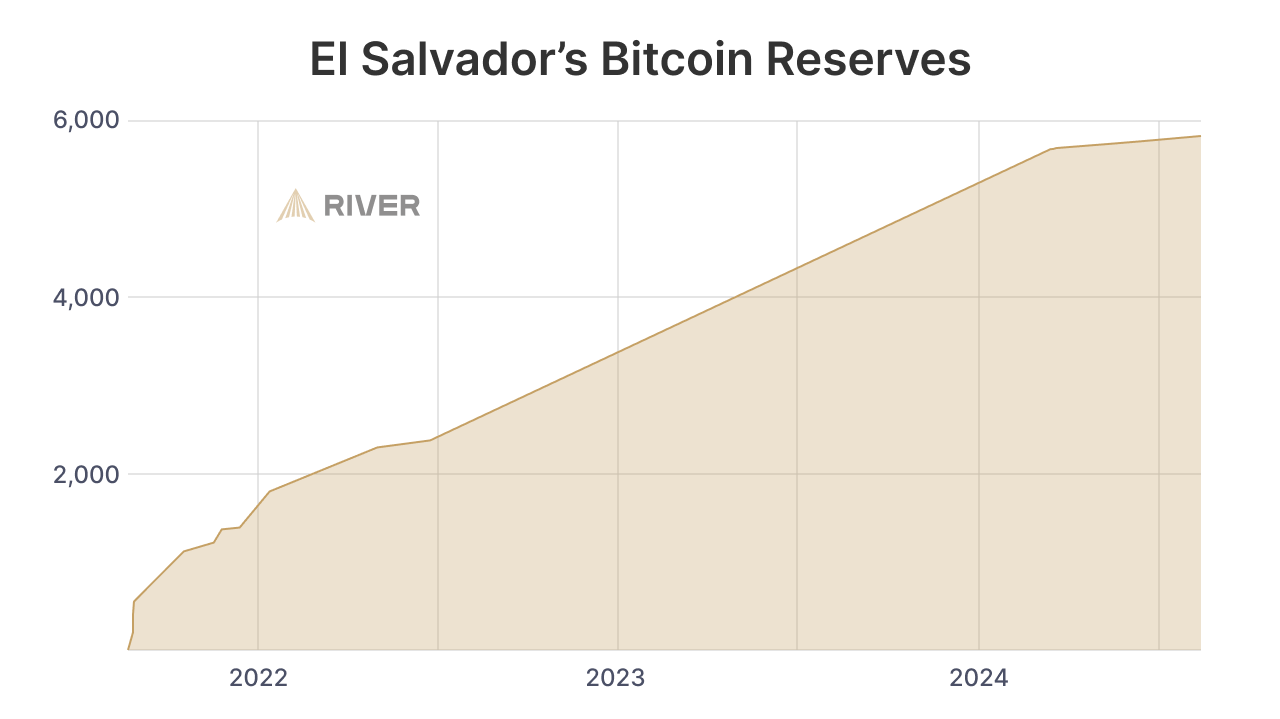
However, this plan is not without its critics. Some lawmakers and industry insiders have expressed concern about the lack of a clear long-term strategy for Bitcoin integration into the national financial framework. David Sacks, appointed as Trump's "crypto czar," has vocalized the need for a comprehensive policy that addresses both the benefits and risks associated with digital currencies.
"The concern is not just about holding these assets but understanding their role in our economic future," Sacks remarked. "We need a strategy that goes beyond just accumulation, to integration and innovation."
Looking Forward
The establishment of a Strategic Bitcoin Reserve by the U.S. could indeed be a pivotal moment for the cryptocurrency sector, potentially accelerating its adoption and integration into mainstream economies. As the situation evolves, it remains to be seen how this move will influence global cryptocurrency policies and whether it will usher in a new era of digital asset management globally.
For investors, the development offers both opportunities and challenges. While the reserve could stabilize and boost Bitcoin's value, thereby providing returns, it also necessitates a cautious approach given the volatility inherent in digital currencies. Analysts recommend diversifying investment strategies to mitigate risks while capitalizing on potential growth areas in the crypto space.
In conclusion, as the U.S. embarks on this bold strategy, the world will be watching closely. Whether this initiative will indeed transform America into the "Crypto Capital of the World," as President Trump ambitiously declared, will depend on subsequent policy developments and international reactions in the coming months and years. While the full impact of this reserve is still unfolding, it undoubtedly marks a new chapter in the relationship between governments and digital currencies.