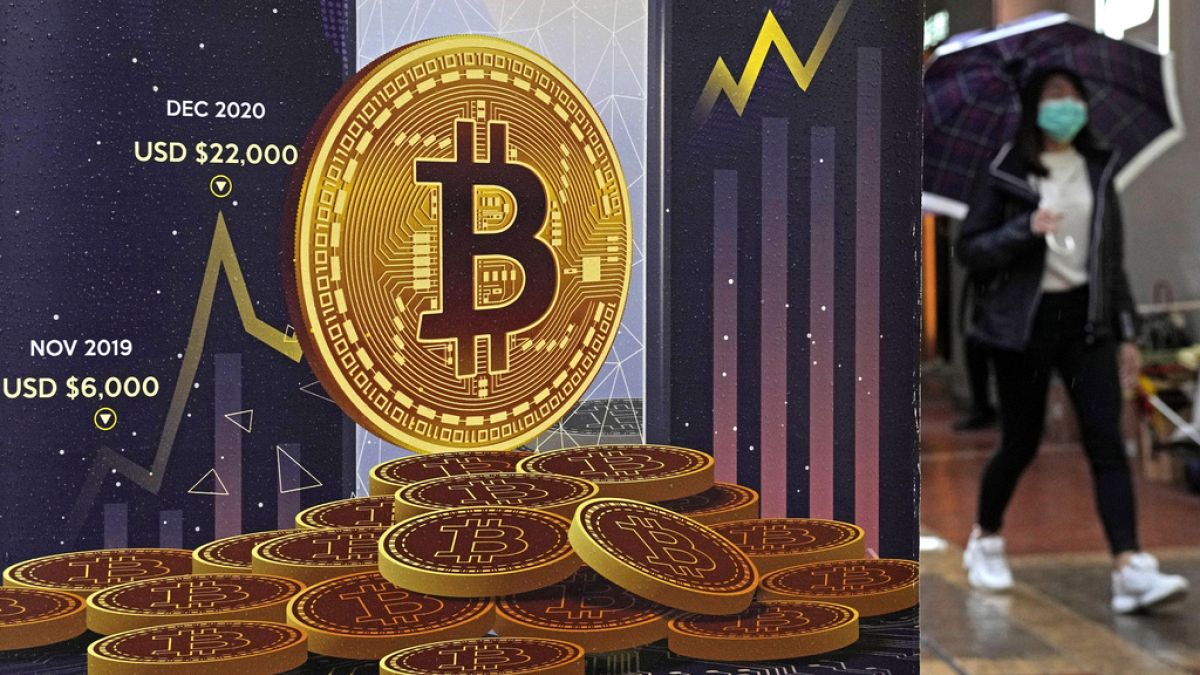
In a rapidly evolving financial landscape, the intersection of geopolitical decisions and digital currency markets is becoming increasingly evident. The imposition of 25% tariffs by the United States on imports from Canada and Mexico, under the Trump administration, is a salient example of how economic policies can ripple through the cryptocurrency market, impacting investor behavior and market valuation.
Geopolitical Moves Fuel Crypto Volatility
The recent tariffs have introduced a level of uncertainty that has not only affected traditional markets but also extended into the realm of cryptocurrencies. Cryptocurrency assets such as Bitcoin (BTC) and Ethereum (ETH) have experienced noticeable price fluctuations in response to these geopolitical tensions. According to SCMP, the tariffs have weighed heavily on cryptocurrency prices, contributing to market volatility.
Bitcoin, the largest cryptocurrency by market cap, saw its price stagger amidst the broader sell-off in U.S. stocks, illustrating the growing connection between digital and traditional financial markets. As the world’s largest cryptocurrency, Bitcoin's value is often seen as a barometer for the health of the crypto market, and recent geopolitical developments have sparked increased volatility.
Strategic Cryptocurrency Reserve: A Mixed Signal
Adding to the complexity, the Trump administration has announced the creation of a strategic cryptocurrency reserve. This move, although intended to position the U.S. as a leader in the crypto domain, has been met with mixed reactions. Some analysts suggest that this could stabilize the market by institutionalizing digital assets, while others believe it could introduce further volatility due to the speculative nature of cryptocurrencies.
David Sacks, the recently appointed crypto czar, highlighted the administration's intent to advocate for favorable crypto policies, suggesting that a clear regulatory framework might be on the horizon. According to CBS News, Sacks stated, "We’re coming off, frankly four years of arbitrary prosecution and persecution of crypto companies," indicating a potential shift towards a more supportive environment for digital currencies.
Investor Sentiment and Market Dynamics
Investor sentiment has been notably impacted by the interplay of U.S. tariffs and cryptocurrency reserves. As geopolitical tensions rise, many investors are reevaluating their risk exposure. The volatile response of crypto markets to these events underscores the importance of understanding the broader economic and political context, as digital assets are increasingly seen as both speculative and hedging instruments.
The International Energy Agency noted in a Reuters report that cryptocurrencies are being used in transactions, such as oil trades, to bypass traditional financial systems, further demonstrating the growing role of digital assets in global trade. This highlights the dual nature of cryptocurrencies: they are tools for innovation and financial inclusion, but they also come with risks associated with regulatory and market uncertainties.
Expert Opinions on Market Stability
Experts remain divided on the long-term implications of these developments. Some, like Francois Villeroy from the European Central Bank, caution that America's embrace of cryptocurrencies without robust regulatory measures could backfire, potentially triggering a financial crisis. He warned in Pymnts that "The United States risks sinning through negligence."
Conversely, proponents argue that strategic reserves and regulatory clarity could pave the way for increased trust and adoption of cryptocurrencies, potentially stabilizing the market by reducing speculative trading.
Navigating the Future of Cryptocurrency
For investors, the key takeaway is the acknowledgment of cryptocurrencies as a dynamic and evolving asset class, sensitive to geopolitical developments. With the U.S. aiming to position itself as a global crypto leader, investors should closely monitor regulatory changes and geopolitical events that could influence market conditions.
As digital currencies continue to integrate into global financial systems, understanding their interaction with macroeconomic policies will be crucial for managing portfolios and navigating market volatility. The evolving landscape suggests that cryptocurrencies, once considered fringe investments, are now central to discussions on financial strategy and economic policy.
In conclusion, while the U.S. tariffs have introduced volatility, they also offer a glimpse into the future potential of cryptocurrencies as mainstream financial instruments. Investors must remain vigilant, informed, and adaptable as they navigate this rapidly changing environment, balancing opportunities with the inherent risks associated with digital assets.