
As cities across the United States grapple with the rapid rise of cryptocurrency usage, a new and pressing issue has emerged: the proliferation of cryptocurrency kiosk scams. These scams are causing significant financial harm to citizens and prompting local governments to consider stringent measures, including regulation and potential bans on these machines. In Forest Lake, Minnesota, the problem has become acute, with police reporting losses exceeding $300,000 due to such scams over the past two years. These developments highlight a growing tension between the promise of cryptocurrencies and the risks they pose to unsophisticated users.

The Modus Operandi
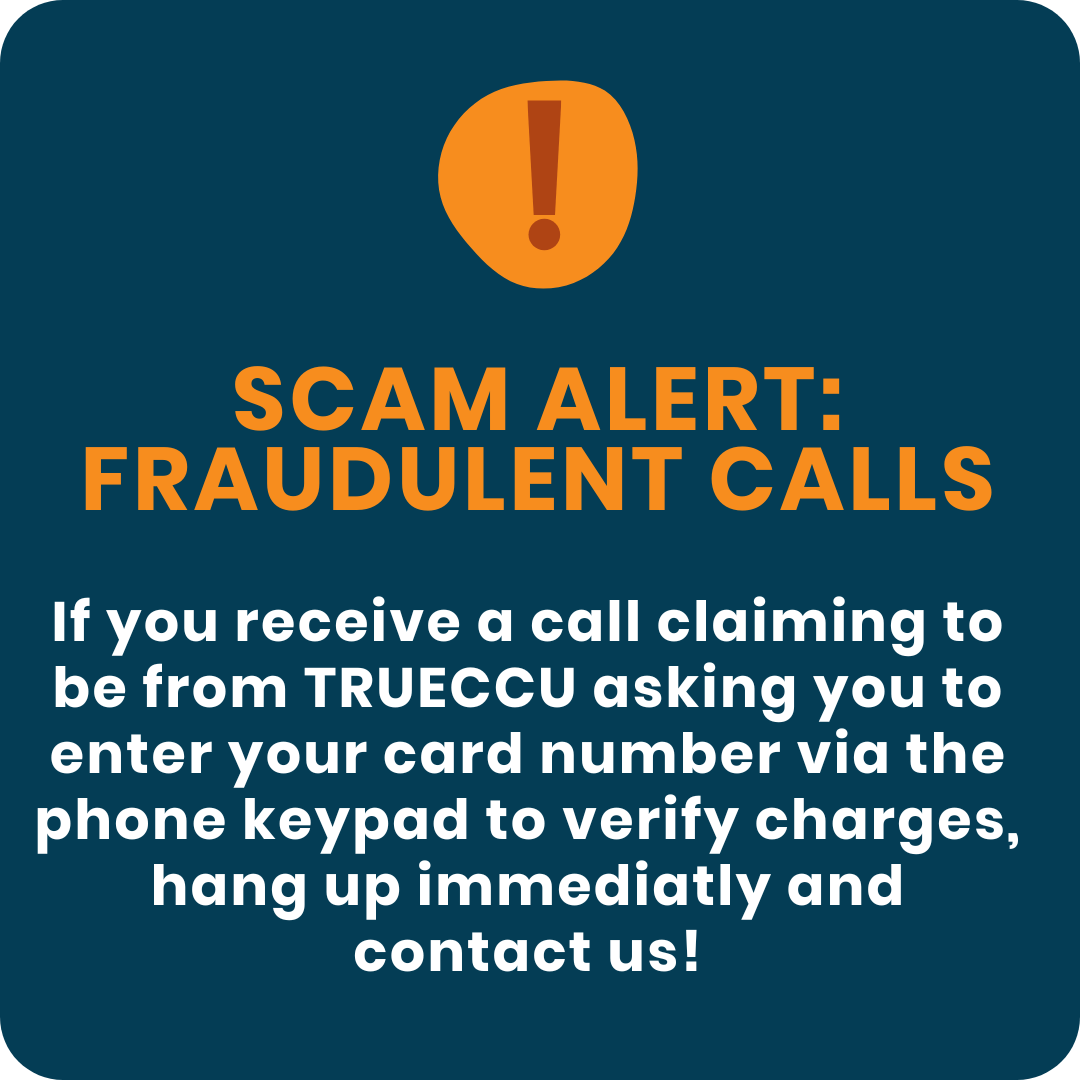
The scams typically involve perpetrators posing as authoritative figures, such as police officers or government officials, claiming that the victim owes money for fictitious legal issues. "Scammers often direct their targets to cryptocurrency kiosks to transfer funds, maintaining communication over the phone to ensure compliance," according to a FOX 9 report. Victims are coerced into lying to bank tellers and others to withdraw cash, which is then converted into cryptocurrency at kiosks found in various convenience stores.
The Growing Financial Toll
The financial losses from these schemes are not isolated to Forest Lake. According to the FBI, there were 976 complaints related to cryptocurrency fraud in Minnesota in 2023 alone, resulting in over $75 million in losses. This places Minnesota among the top 20 states in the U.S. for cryptocurrency fraud complaints and losses. The sheer scale of these numbers is pushing local authorities to consider more stringent oversight or outright bans of these kiosks.
Local Government Response
In response to these troubling trends, the Forest Lake City Council is debating regulatory measures. One option under consideration is an ordinance requiring kiosk owners to register their machines, a move aimed at enhancing accountability and oversight. The city council is expected to discuss this ordinance further at an upcoming meeting on March 24. Some cities in the broader Minneapolis metro area are contemplating even more drastic steps, such as banning the machines altogether due to their association with fraud risks.
Local law enforcement, meanwhile, is urging residents to remain vigilant. "We encourage citizens to question any unsolicited calls demanding payment and to verify the identity of the caller independently," stated a Forest Lake police spokesperson. The goal is to empower individuals to resist fraudulent demands, thereby reducing the prevalence of these scams.
Balancing Innovation with Protection
The debate over cryptocurrency kiosks underscores a broader challenge faced by local governments: how to regulate a technology that offers both tremendous potential and significant risk. Cryptocurrencies, with their decentralized nature and potential for anonymized transactions, present unique regulatory challenges. While they offer benefits such as ease of transaction and investment diversification, these same features can be exploited by fraudsters.
Cryptocurrency proponents argue that thoughtful regulation can mitigate the risks without stifling innovation. "The key is to strike a balance that allows legitimate users to benefit from the technology while protecting the public from nefarious activities," said a representative from a leading cryptocurrency advocacy group. This perspective suggests that targeted regulations, such as enhanced verification processes at kiosks or real-time transaction monitoring, could reduce fraud without eliminating the machines entirely.
Broader Implications for Cryptocurrency Regulation
The rise of cryptocurrency kiosk scams is not just a local issue; it reflects broader challenges in the regulation of digital assets. As cryptocurrencies continue to gain traction, particularly with the backing of figures like former President Donald Trump, who has advocated for the U.S. to become a 'Bitcoin Superpower' (New York Times), the need for effective regulation becomes even more critical. This includes not only protecting consumers but also ensuring that the U.S. remains a competitive hub for cryptocurrency innovation.
Future Directions
As cities like Forest Lake consider their options, the outcome of their deliberations could set a precedent for other municipalities grappling with similar challenges. If regulation proves effective, it could serve as a model for other regions, both in the U.S. and globally, looking to harness the benefits of cryptocurrencies while safeguarding against their risks.
In conclusion, the increasing incidence of cryptocurrency kiosk scams represents a significant challenge for local governments, requiring a nuanced approach that balances the benefits of digital currencies with the need for consumer protection. As these discussions unfold, they will likely shape the future landscape of cryptocurrency regulation, influencing how digital assets are integrated into everyday financial transactions.