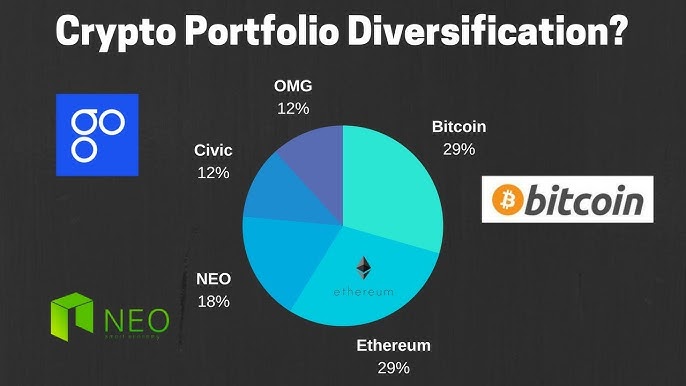
Bitcoin's dominance in the cryptocurrency market is undeniable, yet the rise of altcoins such as Ethereum (ETH), Solana (SOL), and Binance Coin (BNB) is fostering a new wave of diversification and innovation. These altcoins are not merely alternatives but are becoming pivotal in reshaping how people and businesses interact with digital financial systems. The market dynamics surrounding these cryptocurrencies are complex, presenting both opportunities and challenges for investors.
The Rise of Altcoins: Beyond Bitcoin
Bitcoin (BTC), often referred to as digital gold, has long been the face of cryptocurrency, but the blockchain technology underpinning it has paved the way for a vast array of altcoins. Ethereum, with its smart contract capabilities, has been a trailblazer in creating decentralized applications (dApps), allowing developers to build and operate these apps autonomously. According to a Cryptocurrency Trends Business Report, the global market is projected to reach $5 billion by 2030, with altcoins playing a significant role in this growth.
Solana, known for its high throughput and low transaction costs, offers an efficient platform for dApps, particularly in the decentralized finance (DeFi) sector. Binance Coin, primarily used within the Binance ecosystem, has showcased the potential for utility tokens to drive platform engagement and enhance user experiences. The diverse functionalities of these altcoins are not only challenging Bitcoin’s market share but also driving a trend of diversification in the cryptocurrency landscape.
Diversification Trends and Their Implications
The diversification brought by altcoins is creating a more inclusive and accessible digital economy. Investors are no longer confined to Bitcoin; they now have a plethora of options catering to different technological strengths and market needs. This diversification helps reduce risk by spreading investments across various assets, each with unique potentials and vulnerabilities. According to the CME Group, hedging strategies using cryptocurrency futures and options have become more sophisticated, reflecting the complex nature of market dynamics today.
From an investment standpoint, this diversification necessitates a strategic approach. Investors are advised to understand the technological base of each altcoin, their specific use cases, and their potential for long-term growth. As Paige Gross from NC Newsline notes, regulatory scrutiny is intensifying, which can impact market adoption and growth.
Regulatory Landscape and Market Stability
The regulatory environment is a crucial factor influencing cryptocurrency markets. The Securities and Exchange Commission (SEC) in the United States has been particularly active in attempting to establish regulatory frameworks for digital assets, a move echoed by regulators globally. The Pymnts reports on heightened scrutiny, which can affect investor confidence and market stability. The potential for regulatory developments introduces an element of unpredictability, which both challenges and protects investors.
In Russia, for instance, the Central Bank has proposed restrictions on cryptocurrency transactions to the wealthiest individuals, citing concerns over volatility and lack of state backing, as reported by The Moscow Times. Such measures highlight the balancing act regulators face between fostering innovation and ensuring financial stability.
Strategic Investment Approaches
For investors, the rise of altcoins presents an opportunity to diversify portfolios beyond traditional asset classes. However, this requires a nuanced understanding of each asset's underlying technology and market position. Experts suggest a balanced approach, integrating both established cryptocurrencies like Bitcoin and emerging altcoins. The high-risk, high-reward nature of cryptocurrencies necessitates careful evaluation of market trends and regulatory developments.
Moreover, investment strategies should consider the broader implications of technological advancements in blockchain and smart contracts. As indicated in the Ville Vichy guide, understanding market cap and the potential of various altcoins to innovate in areas like DeFi and NFTs can be crucial for informed decision-making.
Conclusion
The cryptocurrency market is evolving rapidly, driven by the rise of altcoins and the diversification they bring. As investors explore these opportunities, a strategic, informed approach is essential. The potential for growth is significant, but so are the risks and challenges, underscored by regulatory developments and technological innovations. As the digital economy expands, understanding these market dynamics will be key to navigating the complexities of cryptocurrency investments.
For those willing to delve into the intricacies of altcoins and their market implications, the future holds both exciting opportunities and considerable uncertainty—an environment ripe for innovative investment strategies and cautious optimism.