
The integration of Environmental, Social, and Governance (ESG) criteria into bond investments is a rising trend that is reshaping market dynamics and investor behavior. This evolution reflects a broader shift towards sustainable investing, with significant implications for the fixed-income markets. As investors increasingly prioritize ESG factors, the landscape of bond investments is experiencing profound changes in terms of pricing, yield spreads, and market liquidity.
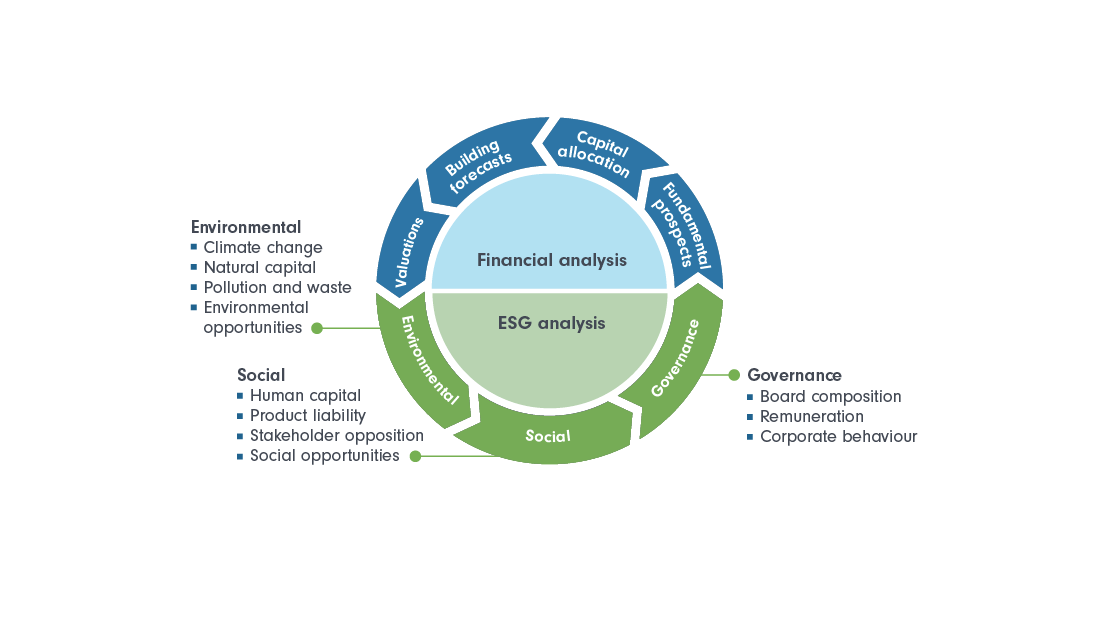
According to data from iShares, a substantial portion of bond funds now include ESG-rated securities. This inclusion signifies a growing consensus that ESG factors can materially impact the long-term risk and return profile of investments. The burgeoning demand for ESG bonds has been a catalyst for issuers to adapt their offerings, aligning them with investor expectations for sustainable and responsible investment options.
Market Dynamics and Investor Behavior
The shift towards ESG bond investments is not merely a niche market phenomenon but a significant movement influencing global fixed-income markets. As outlined by the Securities Industry and Financial Markets Association (SIFMA), the total U.S. fixed income market was valued at $46.9 trillion, with corporate bonds alone at $11.2 trillion. The growing prominence of ESG criteria within this vast market underscores its potential impact on how bonds are issued, rated, and traded.
"Investors are no longer just looking at financial returns; they want to know that their investments are making a positive impact on the world," said Sarah McPhee, ESG Strategist at BlackRock. This sentiment is echoed in the increased issuance of green bonds, social bonds, and sustainability-linked bonds, which are designed to fund projects with positive environmental and social outcomes.
Implications for Pricing and Yield Spreads
The integration of ESG criteria is altering the traditional pricing models for bonds. Bonds that meet high ESG standards are often priced at a premium, known as the "greenium," reflecting their perceived lower risk and higher demand. This has implications for yield spreads, where ESG-rated bonds might offer lower yields compared to their non-ESG counterparts due to their higher market valuation.
A report by Nuveen highlights that high yield municipal bonds, which often incorporate ESG factors, are seeing robust demand from investors. This demand is driven by the attractive fundamentals these bonds offer, alongside their ESG credentials, which add an additional layer of diversification and risk management.

Risks and Opportunities
While the move towards ESG bond investments presents opportunities, it also introduces new risks. The lack of standardized ESG metrics and reporting can lead to inconsistent assessments and potential greenwashing, where investments are misleadingly marketed as sustainable. As the market matures, regulatory bodies and industry groups are working towards establishing more uniform standards to mitigate these risks.
The evolving nature of ESG bond investments also presents opportunities for investors to align their portfolios with their values, potentially attracting a broader base of capital. Moreover, as ESG considerations become more entrenched, there is potential for enhanced portfolio performance through the identification of companies that are well-positioned to handle future challenges related to climate change, social equity, and governance issues.
Conclusion
The rise of ESG bond investments is a transformative trend in the fixed-income market, driven by a growing recognition of the importance of sustainable investing. As ESG considerations continue to gain traction, they are reshaping market dynamics, influencing pricing models, and altering investor behavior. For investors, staying informed about this evolving landscape is crucial, as it not only impacts investment decisions but also offers a pathway to contribute to broader societal and environmental goals.
In conclusion, the increasing integration of ESG criteria in bond investments represents a paradigm shift towards more sustainable financial markets. As this trend progresses, it will be essential for investors to adapt their strategies to navigate the opportunities and challenges presented by this new era of responsible investing.