The Role of Soft Commodities in Diversified Investment Portfolios
In the complex world of investment strategies, soft commodities such as coffee, sugar, and cocoa have carved out a niche, offering unique opportunities for diversification and risk management. The dynamics of these markets are influenced by a myriad of factors, including seasonal trends, global demand fluctuations, and geopolitical events, each of which contributes to the shifting landscape of commodity prices.
Soft commodities, often overshadowed by their hard counterparts like oil and gold, are nonetheless crucial to diversified investment portfolios. They provide a natural hedge against inflation and currency risks. For investors, understanding the nuances of these markets can be key to leveraging their potential benefits.
Price Movements and Market Influences
The prices of soft commodities are notably affected by seasonal trends and global demand. For example, coffee prices can be significantly impacted by weather conditions in major coffee-producing countries such as Brazil and Colombia. Any adverse weather event, such as drought or frost, can lead to a decrease in supply, pushing prices upward.
Similarly, sugar prices are influenced by the production levels in countries like India and Thailand. A bumper harvest in these regions can lead to an oversupply, driving prices down. Conversely, geopolitical tensions or trade restrictions can limit supply and increase prices.
According to Barchart, intraday prices for these commodities reflect the latest market session, providing crucial data for traders and investors.
Diversification Benefits
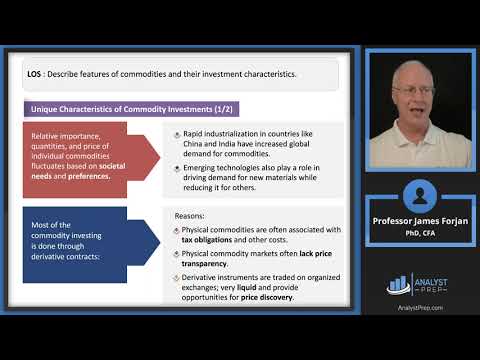
Incorporating soft commodities into an investment portfolio offers significant diversification benefits. These commodities tend to have a low correlation with traditional asset classes like equities and bonds. This means that their price movements can provide a buffer against market volatility, which is particularly valuable in unstable economic times.
Moreover, soft commodities can act as a hedge against inflation. As the cost of living rises, the prices of commodities typically increase, thereby preserving purchasing power. This characteristic makes them an attractive option for investors looking to safeguard their portfolios against the erosion of value.
Strategic Investment Decisions
Investors looking to capitalize on the potential of soft commodities must consider several key factors. Seasonal trends, for instance, require meticulous planning and timing. Understanding the cycles of planting and harvesting can inform better decision-making regarding entry and exit points.
Additionally, geopolitical events can drastically alter global supply chains. The ongoing trade negotiations and tariffs imposed by major economic powers create ripple effects across commodity markets. For instance, any changes in U.S. tariffs on agricultural products can influence global supply dynamics and, consequently, price trends.
The role of technological advancements cannot be understated either. Improved agricultural techniques and genetic engineering have enhanced crop yields, impacting supply levels and market prices.
Expert Insights and Market Trends
To navigate the complexities of these markets, investors often turn to expert insights and market trends. Companies like Sparta Commodities provide real-time, actionable market intelligence, enabling traders to anticipate pricing trends and trade with conviction.
Furthermore, understanding the broader economic context is crucial. Economic indicators such as GDP growth, currency exchange rates, and interest rates all play a part in shaping commodity markets. As the global economy evolves, the demand for soft commodities is expected to grow, driven by population growth and changing dietary preferences.
Conclusion
Soft commodities represent a vital component of diversified investment portfolios. Their unique characteristics and price movements offer investors a range of strategic options to enhance portfolio resilience and achieve long-term financial goals. By paying close attention to the factors that drive these markets, such as weather patterns and geopolitical developments, investors can make informed decisions that capitalize on the inherent benefits of soft commodities.
As the world continues to grapple with economic uncertainties and climate challenges, the importance of soft commodities in investment strategies is likely to grow. By staying informed and adaptable, investors can harness the potential of these markets to bolster their portfolios and navigate the complexities of the global financial landscape.