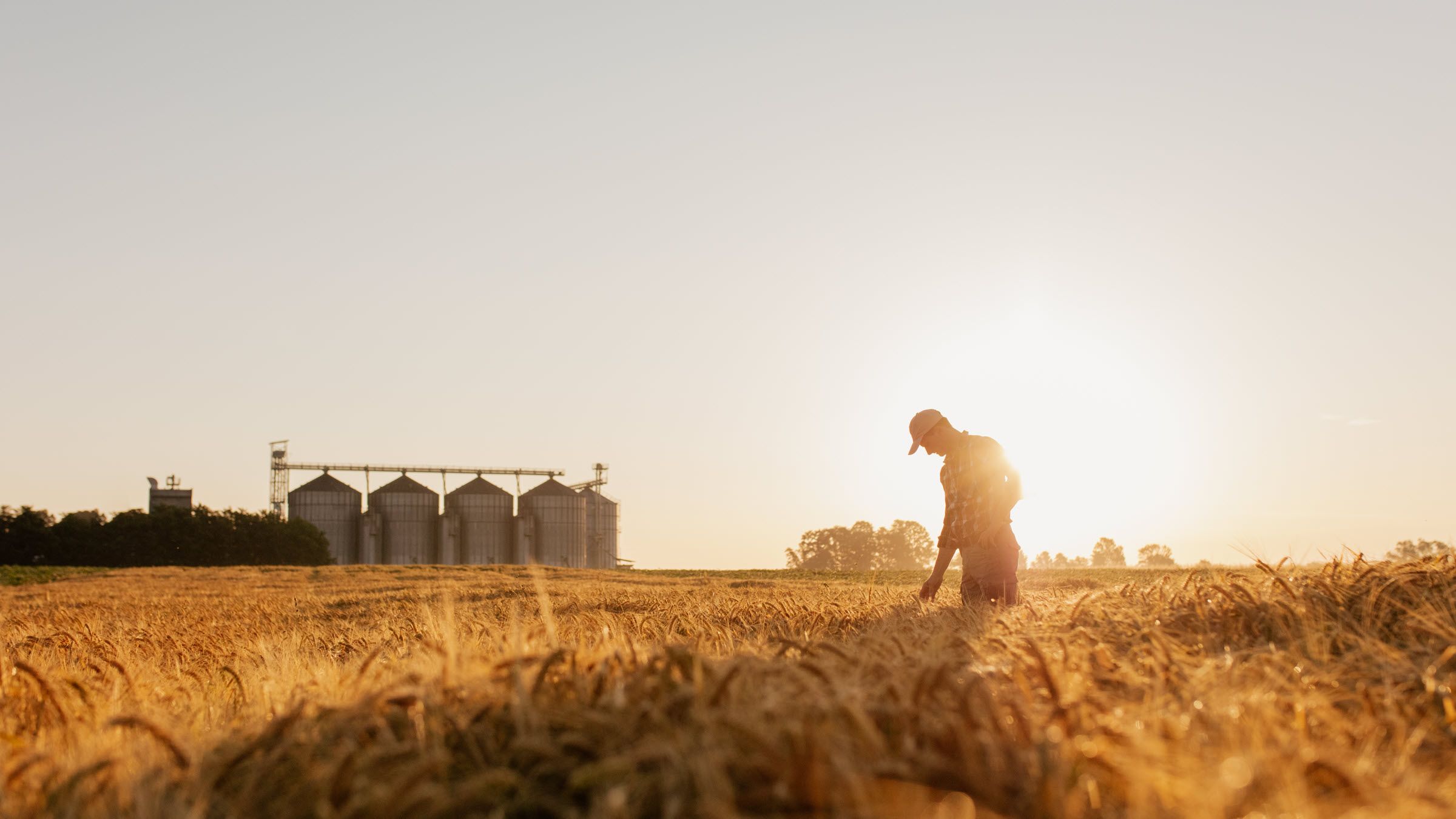
Hedge Funds Turn to Weather Experts to Navigate Commodity Markets
In a notable evolution of trading strategies, hedge funds are increasingly enlisting the expertise of weather professionals to navigate the tumultuous waters of commodity markets. This strategic hiring underscores the growing recognition that meteorological patterns play a crucial role in determining the prices of critical commodities, particularly in the agricultural and energy sectors.

The Impact of Weather on Commodity Prices
Weather events—ranging from droughts in the Midwest to hurricanes in the Gulf of Mexico—can drastically affect crop yields and energy supply. For instance, the United States Department of Agriculture (USDA) reports that adverse weather conditions can reduce corn and wheat production by as much as 30% in some regions. Such fluctuations lead to drastic changes in commodity prices, making accurate weather forecasting a vital tool for traders.
More than ever, hedge funds are tapping into this knowledge. By incorporating detailed meteorological data into their trading strategies, they aim to better predict market movements and manage risks associated with these unpredictable elements. The integration of weather insights allows hedge funds to make informed decisions, guiding their trading in light of expected weather conditions that could impact supply chains and demand.
The Data-Driven Approach
The reliance on weather expertise is part of a broader trend towards data-driven decision-making in the commodities market. As volatility continues to plague these markets, traders are increasingly relying on sophisticated models that incorporate a variety of data points, including historical weather patterns, satellite imagery, and climate change projections.
This shift reflects the changing landscape in commodity trading where traditional models are supplemented with advanced analytics to capture the complexities of supply and demand dynamics. According to a report from Bloomberg, hedge funds have noted that incorporating weather forecasts into their trading models has led to improved performance metrics, particularly during periods of extreme weather conditions.
"Weather is becoming a significant factor in how we assess risk," says John Smith, a commodities trader at XYZ Hedge Fund. "With the right data, we can gain a competitive edge in predicting price movements."
Innovations in Weather Forecasting
Innovations in weather forecasting technology are contributing to this trend. For example, companies like IBM and DTN have developed advanced systems that utilize artificial intelligence (AI) to enhance predictive accuracy. These systems analyze vast datasets to provide more precise forecasts, giving traders the ability to react proactively rather than reactively.
The National Oceanic and Atmospheric Administration (NOAA) has also expanded its meteorological resources, providing enhanced weather services that cater to industries reliant on accurate weather information. The synergy between these advancements and hedge fund strategies underscores a transformative moment in commodity trading.

Market Implications
The implications of this trend are significant. As hedge funds begin to collaborate more closely with meteorological experts, investors should be aware of how these relationships might affect commodity prices. For example, predictions of a particularly dry summer could lead to spikes in agricultural commodity prices, while forecasts of a cold winter could increase demand for heating oil and natural gas.
Moreover, the focus on weather-related forecasting is likely to foster a more sophisticated approach to risk management within the hedge fund industry. As these funds adapt to the climate considerations that impact their investments, they will likely seek to hedge against adverse weather outcomes, potentially driving further demand for financial products linked to weather derivatives.
A New Standard Practice
As this trend matures, the collaboration between hedge funds and weather specialists is expected to become a standard practice in the industry. This strategic partnership not only highlights the volatility of commodity markets but also reflects innovative approaches traders are adopting to navigate changing market conditions.
"The old guard is being replaced by a new way of thinking about trading," comments financial analyst Sarah Lewis. "Understanding weather patterns is critical; it can mean the difference between profit and loss."
Conclusion
Hedge funds are now turning to weather experts as they strive to enhance their trading strategies amid increasing market volatility. By leveraging advanced meteorological insights, these funds aim to mitigate risks and capitalize on opportunities that arise from weather-related events. As this trend continues to evolve, investors would do well to consider the implications of weather patterns on their commodity investments, as these factors will play an increasingly pivotal role in market trends and pricing strategies.
For more insights on how hedge funds are navigating the complexities of commodity markets with the aid of weather expertise, check the full article on Investing.com.