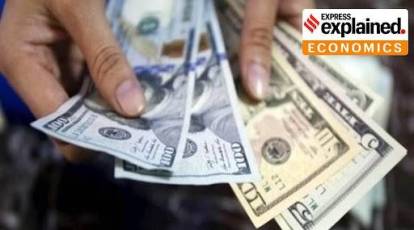
The Implications of Falling Treasury Bill Rates on Forex Markets
In recent weeks, forex traders have been closely watching the decline in U.S. Treasury bill rates. This downward trend has prompted analysts to express concerns about potential disruptions in currency valuations. As Treasury yields decrease, the appeal of holding U.S. dollars may diminish, potentially leading to a depreciation of the dollar against other major currencies. This article delves into the key factors influencing currency movements in relation to falling Treasury bill rates and evaluates the potential impacts on major currency pairs.
Key Factors Influencing Currency Movements
1. Interest Rate Differential
One of the primary drivers of currency valuations is the interest rate differential between countries. Lower Treasury yields may reduce the interest rate differential between the U.S. and other economies, making foreign investments more attractive. For instance, if the Federal Reserve lowers rates or signals a dovish stance, investors may start to favor currencies from countries with higher yields.
According to data from the U.S. Department of the Treasury, the yield on 10-year Treasury bills has dropped to around 2.1%, down from 3.5% earlier in the year, reflecting shifts in market sentiment towards interest rates. This decline has led to increased speculation about the potential for the dollar to weaken against currencies such as the euro and the British pound, where interest rates have remained relatively stable.
2. Investor Sentiment
A decline in Treasury yields often signals economic uncertainty, which can lead to increased volatility in forex markets. Investors typically seek safe-haven currencies like the Japanese yen (JPY) and Swiss franc (CHF) during periods of economic distress. As Treasury yields fall, the allure of U.S. dollars may wane, prompting shifts in investor sentiment towards these 'safe-haven' currencies.
"Falling yields are typically associated with a flight to safety," said Peter Quartey, a market analyst at Citi News. "Traders are likely looking for security in currencies that are perceived as more stable."
3. Inflation Expectations
Falling yields may also reflect expectations of lower inflation, which can influence central bank policies and further impact currency strength. If lower yields indicate that inflationary pressures are subsiding, central banks may adopt a more accommodative monetary policy, potentially leading to currency depreciation. Conversely, if markets anticipate central banks maintaining or increasing interest rates, currencies associated with those economies may appreciate.
Recent inflation data from the U.S. Bureau of Labor Statistics indicates that consumer prices rose modestly, with the annual inflation rate standing at 2.4%. If this trend continues, it may pressure the Federal Reserve to adjust monetary policy in a way that could further impact Treasury yields and, by extension, the forex market.
Potential Impact on Major Currency Pairs
-
USD/EUR: A weaker dollar could lead to a stronger euro, particularly if the European Central Bank (ECB) maintains a more hawkish stance. Eurozone economic indicators show resilience, suggesting that the ECB may be less inclined to lower rates compared to the Fed. As a result, the USD/EUR pair may see increased volatility, with potential upward pressure on the euro.
-
USD/JPY: The yen may strengthen as investors seek refuge in safe-haven assets amidst economic uncertainty. Recent geopolitical tensions and concerns about global economic growth have led to increased demand for the yen. Should Treasury yields continue to decline, the USD/JPY pair could test significant support levels as the dollar weakens.
-
Emerging Market Currencies: Emerging market currencies may experience increased volatility as capital flows shift in response to changing yield dynamics. Countries like Brazil and Mexico, which have higher yields, could see their currencies strengthen against the dollar as investors seek higher returns. However, these currencies remain sensitive to external shocks and shifts in investor sentiment.
Conclusion
As Treasury bill rates continue to fall, forex traders must remain vigilant and adaptable, leveraging economic indicators and market sentiment to navigate the evolving landscape. Understanding the implications of these changes is crucial for making informed trading decisions in the coming weeks. The interplay between interest rate differentials, investor sentiment, and inflation expectations will be pivotal in shaping currency valuations and trading strategies.
In this environment of uncertainty, traders should closely monitor economic data releases and central bank communications to gauge potential shifts in the forex market. The ability to interpret these signals will be key in managing risks and capitalizing on opportunities in a market influenced by falling Treasury yields.
For further insights, refer to the full analysis by Peter Quartey on Citi Newsroom.
As the market landscape evolves, staying informed and agile will be paramount for investors looking to navigate the complexities of forex trading amid falling Treasury bill rates.