
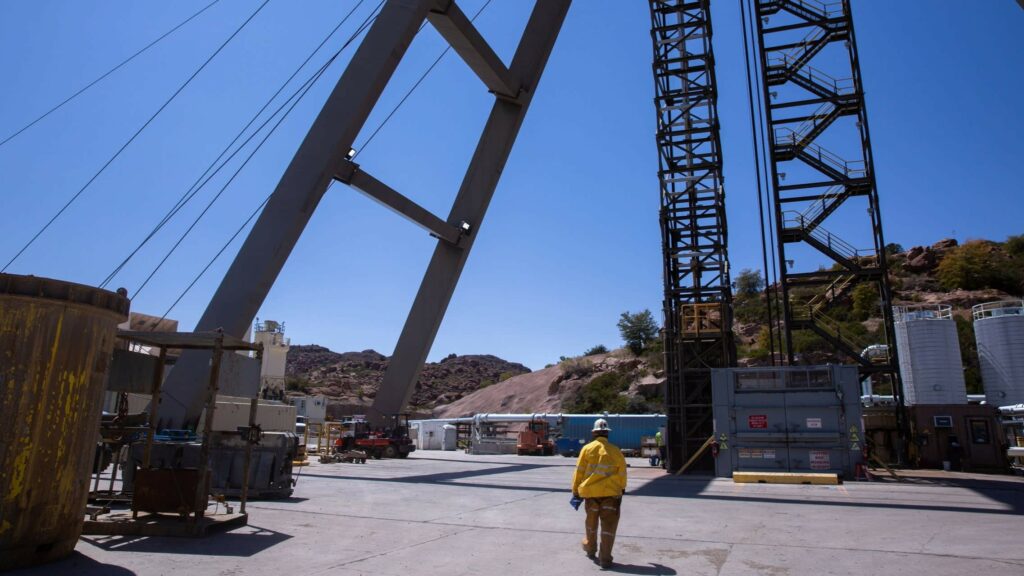
Copper Prices Reach Historic Highs Amid Geopolitical Tensions
In March 2025, copper prices have skyrocketed to unprecedented levels, exceeding $9,000 per metric ton. This surge is primarily attributed to escalating geopolitical tensions and significant supply chain disruptions within key copper-producing nations, notably Chile and Peru. As the global economy continues to grapple with uncertainty, investors are keenly monitoring these developments, which could have far-reaching implications for the commodity market.
Market Influences
Several critical factors are driving the current trajectory of copper prices:
-
Geopolitical Tensions: The looming threat of potential U.S. tariffs on copper imports has injected a considerable amount of uncertainty into the market. Investors are reacting to fears that such measures could disrupt the flow of copper into the U.S. market, traditionally one of the largest consumers. According to analysts, tariffs could not only raise prices domestically but also encourage stockpiling of copper in anticipation of higher costs.
-
Supply Issues: Major producing countries, particularly Chile and Peru, have reported production declines of approximately 8% in late 2024. This reduction in output can largely be attributed to operational challenges, including labor strikes and adverse weather conditions. Such supply constraints heighten the vulnerability of the copper market, particularly as demand remains robust.
-
Sustained Demand: The demand for copper is expected to remain strong, fueled by the ongoing transition to renewable energy and the proliferation of electric vehicles (EVs). With copper being a critical component in renewable energy technologies and EV batteries, sectors driving this transition are likely to maintain high consumption levels, further pressuring supply.
Future Outlook
Looking ahead, market analysts are predicting that copper prices could potentially reach $10,000 per metric ton by the end of 2025 if current demand trends persist. Several key factors will be critical to watch in this evolving landscape:
-
Developments in U.S.-China Trade Relations: Any shifts in trade policies or agreements between the U.S. and China could significantly impact copper demand and pricing. As China remains one of the largest consumers of copper, its economic health and trade relations are essential for price stability.
-
Production Recovery: Investors will be closely monitoring the recovery of copper production in major producing countries. A return to normal production levels in Chile and Peru could alleviate some pressure on prices, but any further disruptions could exacerbate the current volatility.
-
Transition to Renewable Energy: The ongoing shift towards renewable energy technologies, which relies heavily on copper, will continue to drive demand. As governments and corporations invest in green technologies, the need for copper is expected to surge, placing additional strain on an already challenged supply chain.

Conclusion
Investors should remain vigilant in the copper market, as geopolitical factors and supply chain dynamics will play a critical role in price movements moving forward. The interplay between demand from emerging technologies and potential disruptions in supply will likely dictate copper’s position in the commodities market for the foreseeable future.
With its pivotal role in the global economy, copper is more than just a commodity; it is a barometer of broader market trends and geopolitical currents. As the world adapts to new economic realities, the significance of copper cannot be overstated, making it a key focal point for investors looking to navigate the complexities of the current market landscape.
For further details, you can check the market insights on Reuters.