
Navigating Market Turbulence: The Impact of Tariffs on Global Stocks
As President Trump's recent tariff announcements send shockwaves through global markets, investors are grappling with the implications for their portfolios. The introduction of a 25% tariff on all cars not manufactured in the United States has raised alarms across industries, particularly the automotive sector, sparking fears of increased costs and disrupted supply chains. With an April 2 deadline looming, market analysts are urged to reassess their strategies amidst this growing uncertainty.

Current Market Overview
As of March 28, 2025, the atmosphere in global stock markets remains tense. Following Trump's announcement, major indices have exhibited volatility, with analysts noting a notable decline in automotive shares. According to TheStreet, automakers are particularly vulnerable as they prepare for potential spikes in production costs and significant supply chain disruptions. The anticipation of these tariffs has led to a stark reevaluation of investment strategies across sectors that rely heavily on international trade.
Sector Analysis
-
Automotive Industry: The automotive sector has been the most adversely affected by the tariff announcements. Major manufacturers are already wrestling with persistent supply chain issues stemming from global semiconductor shortages and the fallout from the pandemic. The new tariffs are expected to escalate vehicle prices, which could dampen consumer demand. A report from Investors Business Daily highlights that the market reactions have resulted in significant stock price drops, with companies such as Ford (NYSE: F) and General Motors (NYSE: GM) facing acute pressure.
-
Broader Market Implications: Beyond the automotive sector, other industries that rely on international supply chains are likely to experience stock fluctuations. Companies in electronics, machinery, and textiles could face similar repercussions as tariffs impose additional costs. This environment has led to a broader caution among investors, who are now closely monitoring economic indicators such as consumer sentiment and trade balance data to gauge the potential impacts on various sectors.
Investment Strategies
In light of the tumultuous landscape shaped by these tariffs, investors are encouraged to adopt the following strategies:
-
Diversification: Diversifying investments across a range of sectors can help mitigate risks associated with tariff impacts. By spreading exposure, investors can reduce the likelihood that a single sector's downturn will severely affect their overall portfolio.
-
Focus on Resilient Industries: Sectors that are less sensitive to international trade, such as technology and renewable energy, may provide more stability. Companies operating in these fields are likely to have stronger domestic markets and less exposure to import tariffs.
-
Monitoring Economic Indicators: Investors should remain vigilant and keep abreast of economic data and consumer sentiment indexes. Understanding these metrics can provide critical insights for making informed investment decisions during periods of volatility.
Conclusion
The recent tariff announcements have introduced a complex layer to the current market landscape. As investors navigate these turbulent waters, a proactive and adaptable approach is essential. Continuous analysis of market conditions, alongside a diversified investment strategy, will be critical in mitigating risks and positioning portfolios for potential opportunities as the situation develops. As we approach the April 2 deadline, remaining vigilant is not just advisable—it is essential in a market poised for further volatility.
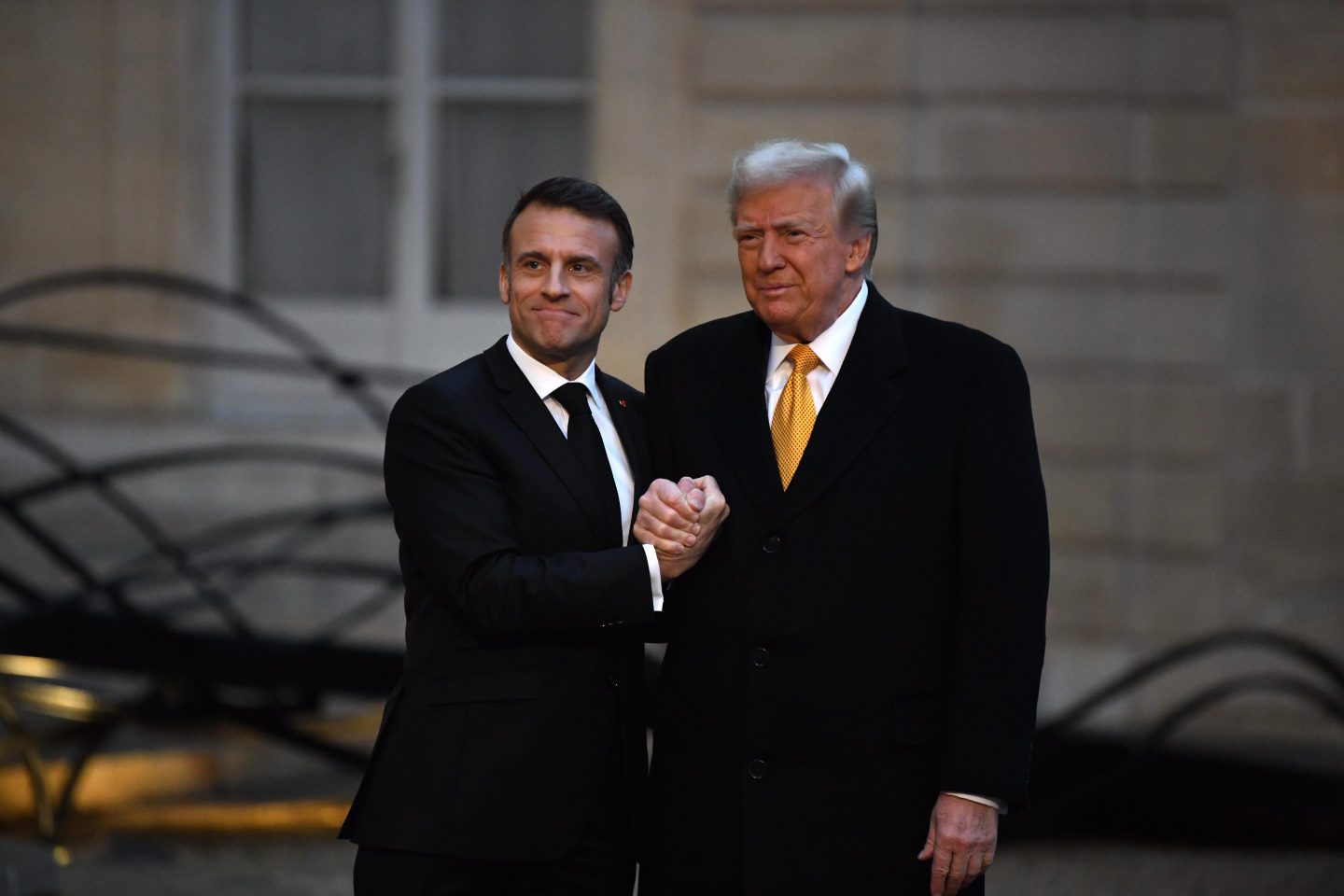
As the narrative unfolds, staying informed will empower investors to make strategic decisions in an ever-evolving global market influenced by policy changes and economic realities.