
The Strategic Shift Towards Catastrophe Bonds in Fixed Income Investments
As climate-related disasters continue to rise in frequency and severity, investors are increasingly turning to catastrophe bonds (cat bonds) as a strategic component of their fixed income portfolios. In March 2025, cat bonds accounted for approximately 32% of the California Earthquake Authority's (CEA) reinsurance strategy, underscoring their growing importance in risk management. With average yields hovering around 6%, these instruments provide an attractive return for investors willing to navigate the associated risks.
Market Dynamics and Growth
The catastrophe bond market has experienced significant growth, fueled by an escalating need for effective risk transfer mechanisms as climate change intensifies natural disasters. Recent data reveals a burgeoning interest in this asset class, with new issuances and an expanding array of sponsors entering the market. A notable recent issuance was a $400 million catastrophe bond by the CEA, which exemplifies the increasing reliance on cat bonds to bolster the overall capacity of the reinsurance market.
According to Artemis, the cat bond sector has evolved significantly over the past few years, transitioning from a niche product to a critical risk management tool. The growth trajectory is expected to continue as investors seek alternatives amidst a volatile economic backdrop.
Investment Implications
For investors, the allure of cat bonds lies in their low correlation with traditional financial markets, making them an appealing option for portfolio diversification, particularly during periods of economic uncertainty. Furthermore, the increasing acceptance of these instruments by institutional investors highlights their potential to deliver consistent returns while mitigating risks linked to natural disasters.
A recent report by Acrisure Re emphasizes that the rise in cat bond issuances is partly attributed to the softening of the traditional reinsurance market, which has created favorable pricing for new entrants. This trend is indicative of a broader shift where investors are looking to diversify their portfolios with innovative financial solutions that address emerging risks.
Climate-Related Risks and Response
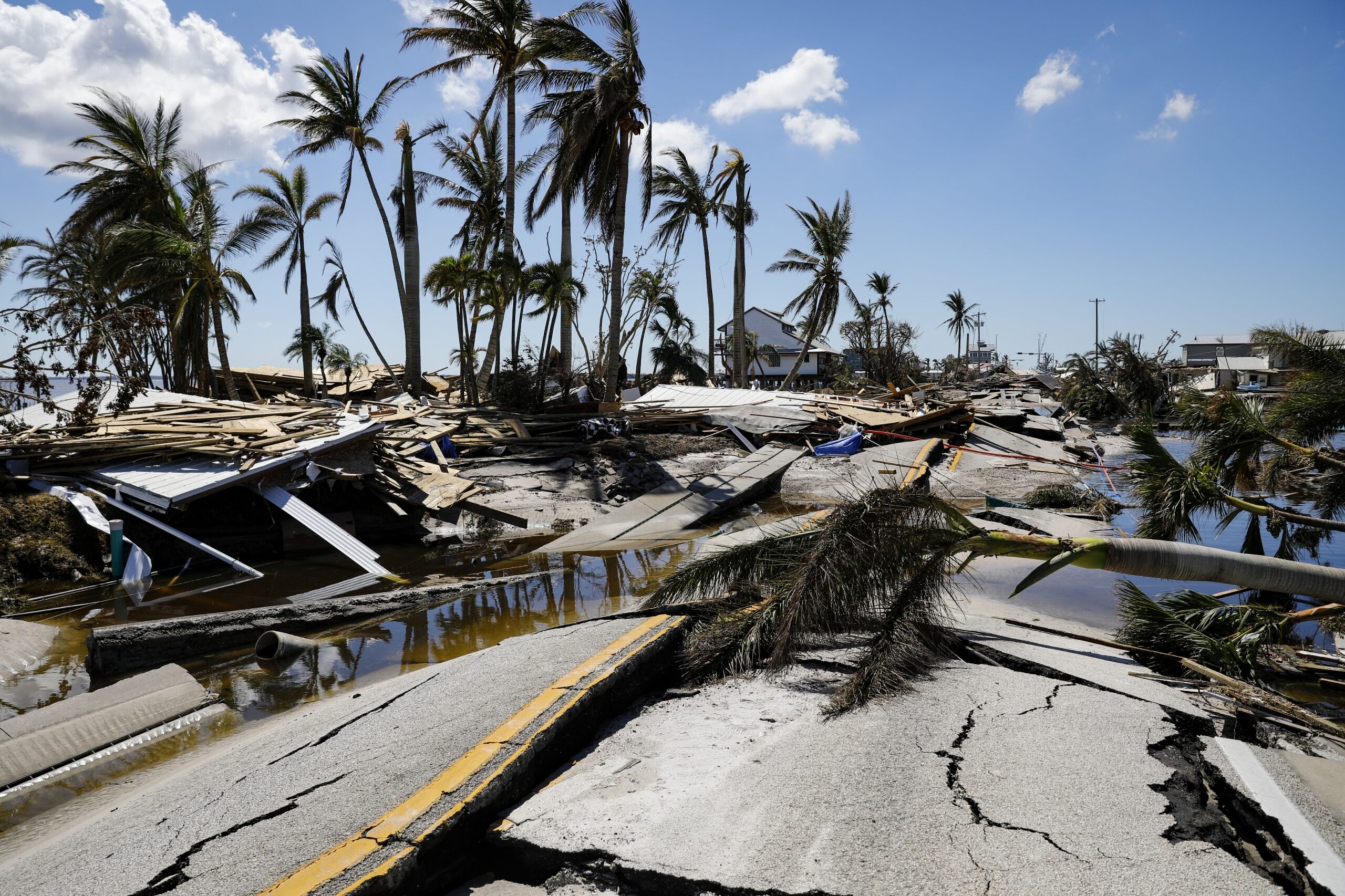
The escalating frequency of climate-related events has heightened the demand for catastrophe bonds. For instance, the California Earthquake Authority's increased reliance on cat bonds as part of their reinsurance strategy reflects the critical need to manage risks associated with natural disasters. As outlined in the Artemis report, cat bonds now represent a significant portion of the CEA's risk transfer strategy, increasing from 25% to 32% within a year.
This shift highlights a growing understanding among investors that traditional fixed-income securities may not adequately address the compounding risks associated with climate change. As such, catastrophe bonds offer advantages that align well with both risk management and return enhancement objectives.
Conclusion
The fixed income landscape is undergoing a strategic transformation as catastrophe bonds gain traction as a viable investment option. As climate-related risks continue to evolve, understanding the dynamics of this market will be essential for investors looking to capitalize on the opportunities it presents. By incorporating cat bonds into their investment strategies, investors can achieve a balance between risk and return while diversifying their portfolios in a rapidly changing economic environment.
Investors are advised to keep an eye on the growing prevalence of these instruments, particularly as institutional acceptance rises and innovative financing solutions are developed in response to climate challenges. The strategic advantages offered by catastrophe bonds may provide a pathway for enhanced portfolio resilience in an increasingly uncertain world.
Keywords
catastrophe bonds, fixed income, investment strategies, climate risk, portfolio diversification