The Impact of U.S. Tariff Policies on Forex Markets: Navigating Currency Volatility
In recent weeks, the forex market has experienced significant fluctuations following the introduction of new U.S. tariffs, particularly the 25% levy on non-U.S. manufactured vehicles. This policy shift has adversely affected currencies such as the Canadian dollar (CAD) and Mexican peso (MXN), which have shown heightened volatility against the U.S. dollar (USD). Meanwhile, the euro (EUR) and British pound (GBP) have demonstrated resilience, indicating a complex interplay of factors influencing currency strength. As traders seek to navigate this landscape, understanding these dynamics is crucial for effective decision-making.

Currency Reactions to Tariff Announcements
The immediate aftermath of the tariff announcements witnessed a strengthening of the USD against currencies from nations directly impacted by these tariffs. For instance, shortly after the announcement, the CAD depreciated by approximately 2% against the dollar, as traders anticipated reduced trade volumes with the U.S., which is Canada's largest trading partner. On the other hand, the EUR/USD pair exhibited relative stability, reflecting robust economic indicators from the Eurozone. Analysts suggest that Europe’s strong industrial output and positive trade balance have contributed to the euro's resilience.
According to ActionForex, the escalation in tariffs has prompted a flight to safety, with many investors seeking refuge in the USD as geopolitical tensions rise. This phenomenon is not unique to Canada and Mexico; emerging markets are also experiencing significant currency depreciation as the ripple effects of U.S. policy decisions unfold.
Strategies for Forex Traders
In light of the evolving forex landscape, traders are advised to adopt a cautious approach to capitalize on potential opportunities while managing risks effectively. Here are three strategies that traders can employ:
-
Diversification: Traders should consider diversifying their portfolios to include currencies that may benefit from the current situation. For example, the Japanese yen (JPY) often acts as a safe haven during times of economic uncertainty. By holding a diversified range of currencies, traders can reduce their exposure to any single currency's volatility.
-
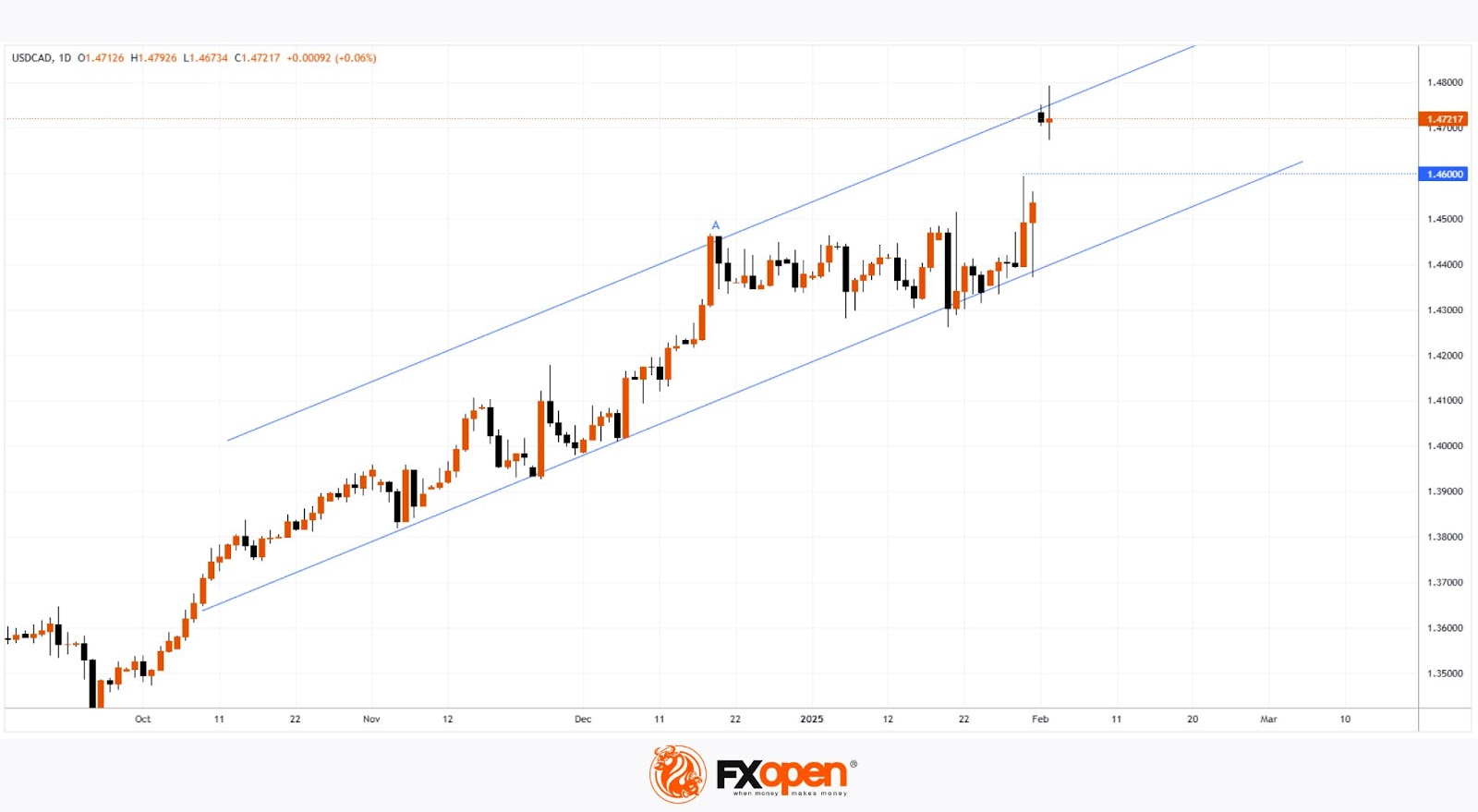
Technical Analysis: Utilizing technical analysis tools can help traders identify key support and resistance levels in volatile currency pairs. For example, monitoring the USD/CAD and USD/MXN pairs for breakout patterns could provide clues for entry and exit points. This analytical approach enables traders to make informed decisions based on price movements rather than emotions.
-
Stay Informed: Keeping abreast of economic reports and geopolitical developments is crucial, as these factors can rapidly shift market sentiment and currency valuations. Resources such as the Forex Economic Calendar can provide essential insights into upcoming announcements that may impact currency pairs.
The Broader Economic Context
As the U.S. continues to enforce these tariff policies, the implications for the forex market extend beyond immediate currency fluctuations. The tariffs are expected to impact inflation rates, trade balances, and overall economic growth. For instance, the automotive sector, a significant contributor to both the U.S. and Canadian economies, may face increased production costs, leading to higher vehicle prices for consumers.
Moreover, the Federal Reserve's monetary policy will likely be influenced by the economic fallout from these tariffs. Should inflation rise due to increased costs of imported goods, the Fed may be compelled to adjust interest rates, further influencing currency values.
Conclusion
As U.S. tariff policies continue to unfold, the forex market is poised for sustained volatility. Traders must remain vigilant and adaptable, employing strategies that account for the evolving economic landscape. By understanding the implications of these tariffs on currency movements, traders can better position themselves to capitalize on potential opportunities while effectively managing risks.
In summary, the interplay between U.S. tariff policies and forex market reactions underscores the importance of strategic trading approaches amidst uncertain conditions. For further insights, traders may refer to resources like Forex Factory and ActionForex to stay informed about market shifts and trends.
References
