
The Surge in Gold and Copper Prices: Analyzing Market Dynamics Amid Trade Tensions
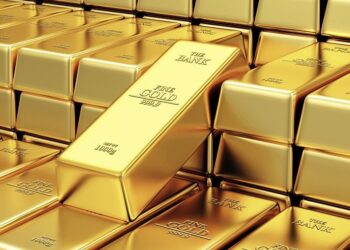
As of late March 2025, the commodity markets are witnessing significant fluctuations, particularly in gold and copper prices, which have surged to new record highs. This rise is largely attributed to heightened concerns over a potential trade war, exacerbated by the introduction of new tariffs by the U.S. government under President Donald Trump.
Key Factors Influencing Price Increases
-
Geopolitical Tensions: The ongoing geopolitical uncertainties have led investors to seek safe-haven assets, driving up demand for gold. As a result, gold prices have seen a notable increase, reflecting investor sentiment that favors stability amid market volatility. According to a report from LiveMint, the recent surge has positioned gold as a primary asset for risk-averse investors, especially in light of the latest tariffs affecting commodity markets.
-
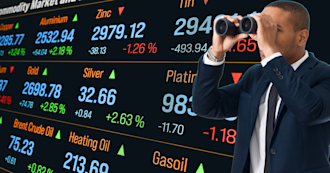
Supply Chain Disruptions: The copper market is also feeling the impact of supply chain disruptions, which have been intensified by trade restrictions and tariffs. These disruptions have limited the availability of copper, further pushing prices upward. In late March, copper prices reached approximately $4.50 per pound, a significant increase that has prompted analysts to predict continued upward momentum. Factors like labor strikes in major copper-producing countries and logistical challenges due to tariffs have compounded these issues.
-
Investor Sentiment: The fear of escalating trade conflicts has prompted a shift in investor strategies, with many reallocating funds towards commodities perceived as more stable investments. This shift has contributed to the upward momentum in both gold and copper prices. The recent volatility in equity markets has led to a dramatic increase in commodity trading as investors look for alternative growth avenues, with gold seeing an increase of nearly 20% in value since the beginning of the year.
Market Outlook
Analysts predict that the current trends in gold and copper prices may continue as long as geopolitical tensions persist. According to commodities experts, the introduction of new tariffs could lead to further scarcity in both metals, driving prices even higher. Investors are advised to monitor developments closely and consider diversifying their portfolios to mitigate risks associated with market volatility.
The forecast for gold suggests a potential breach of the $2,100 per ounce threshold, while copper could stabilize around $5.00 per pound if supply issues remain unaddressed. Historical comparisons indicate that similar geopolitical climates have led to lasting price increases, suggesting that the current environment could foster sustained growth in commodity prices.
Conclusion
The recent surges in gold and copper prices underscore the interconnectedness of geopolitical events and commodity markets. As trade tensions continue to evolve, investors must remain vigilant and adaptable to capitalize on potential opportunities while managing associated risks. Understanding the underlying factors driving these price movements will be crucial for making informed investment decisions in the coming weeks.
The current climate suggests that while opportunities for profit exist, the landscape is fraught with uncertainty. Investors should remain prepared for market fluctuations as the geopolitical landscape continues to shift in response to the ongoing trade dialogues and policies established by the U.S. administration. As history has shown, commodities can serve as a hedge against market volatility, but they are not without their own risks.
Additional Insights
In addition to the current circumstances impacting gold and copper, investors should also keep an eye on broader market trends and shifts. The relationship between commodity prices and economic indicators such as inflation rates and interest rate adjustments will also play a critical role in shaping investment strategies moving forward. Investing in these commodities during times of uncertainty requires a nuanced understanding of both market dynamics and geopolitical contexts.
As we proceed into the second quarter of 2025, the interplay between trade policies, investor sentiment, and supply chain factors will likely dictate the performance of gold and copper, making them key focal points for investors looking to navigate the complex commodity markets effectively.