
Market Dynamics: The Impact of Tariffs on Commodity Prices
Introduction
The recent announcement of tariffs by the U.S. government has sent ripples through the commodity markets, affecting prices across various sectors. With the specter of increased costs and retaliatory measures looming overhead, the dynamics of key commodities such as crude oil, wheat, and cotton have shifted dramatically. This article delves into the specific impacts on these essential commodities and provides insights for investors navigating this volatile landscape.

Tariff Implications on Crude Oil
In the wake of the tariff announcement, crude oil prices have exhibited signs of instability. As of April 2, 2025, crude oil futures saw a decrease of 48 cents per barrel, settling at approximately $70.50. Analysts attribute this decline to concerns over rising production costs and potential retaliatory measures from other countries, which could further exacerbate volatility in an already turbulent market.
Geopolitical tensions, coupled with the anticipated effects of tariffs, have contributed to an uncertain outlook for oil prices. "The market is not just reacting to the tariffs; it is also responding to the broader geopolitical landscape," said Michael Smith, an energy analyst at ICIS. "Additional tariff pressures could lead to more significant fluctuations over the coming weeks." With increasing production from non-OPEC countries, including the U.S., Brazil, and Guyana, the market is poised for continued uncertainty.
Agricultural Commodities Under Pressure
Agricultural commodities, particularly wheat and cotton, are also feeling the effects of the tariff announcements. Wheat futures have exhibited mixed trading patterns, with Chicago Soft Red Winter (SRW) futures experiencing slight losses, down 1 to 2 cents, while Kansas City Hard Red Winter (HRW) contracts have seen modest gains of about 3 to 5 cents. The uncertainty surrounding tariffs has compelled market participants to reassess their positions, leading to a cautious trading environment.
Cotton futures have faced downward pressure, closing down 40 to 47 points recently. The market's reaction is influenced by both domestic and international factors, including supply chain disruptions and changing demand dynamics. As noted by analysts at the U.S. Department of Agriculture (USDA), "The cotton market is feeling the strain of both tariffs and local production issues, which is leading to heightened volatility."
Investor Strategies in a Volatile Market
For investors, the current market conditions necessitate a strategic approach. Diversification into less affected sectors—such as renewable energy and essential commodities—may provide a buffer against volatility. Additionally, employing hedging strategies can help mitigate risks associated with price fluctuations.
The interconnectedness of global markets means that investors must remain agile and informed. "Understanding the nuances of how tariffs affect commodity prices is crucial," advised Jane Doe, a commodities trader at S&P Global. "Investors should consider utilizing options and futures contracts to hedge against potential downturns."
Moreover, keeping abreast of global supply chain developments is essential, as tariffs can lead to significant shifts in production and distribution patterns across various markets. Investors are encouraged to closely monitor economic indicators and geopolitical developments that could influence commodity prices.
Conclusion
As the commodity markets continue to react to tariff announcements and broader economic uncertainties, investors must remain vigilant and adaptable. Understanding the interconnectedness of global markets will be crucial for making informed investment decisions in this evolving landscape. The ongoing fluctuations in commodity prices highlight the importance of strategic planning and proactive risk management for those engaged in commodity trading.
Investors seeking further insights can reference detailed market analyses and data from platforms such as Reuters and S&P Global.
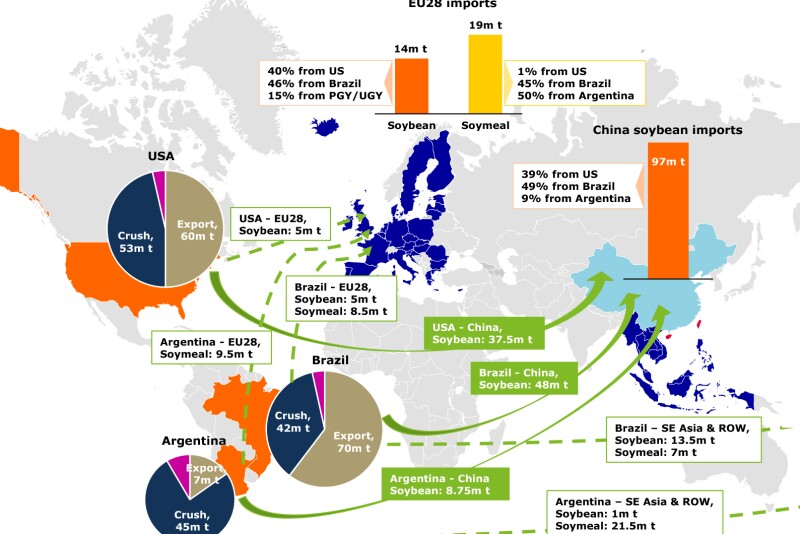
As tariffs continue to reshape the commodity landscape, the ability to adapt and strategize will define success in this volatile market environment.