
Market Meltdown: Analyzing the Impact of Trump's Tariff Announcement on Global Stock Indices
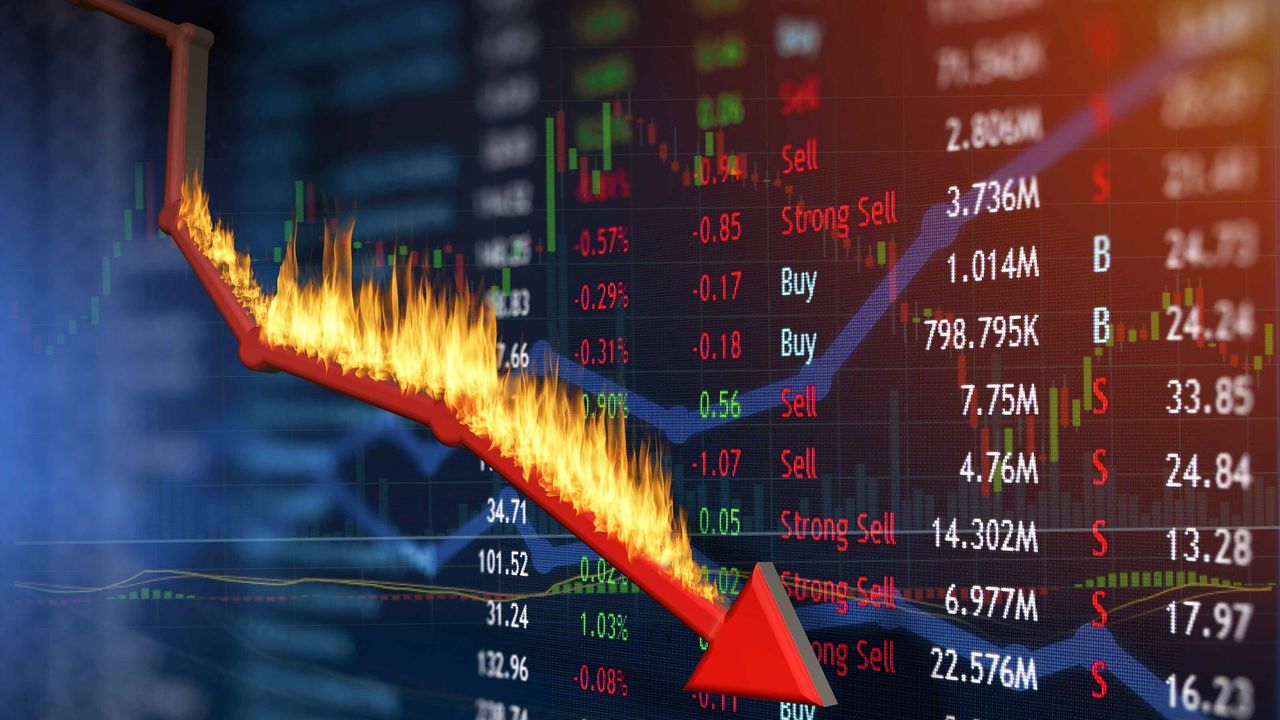
On April 3, 2025, President Trump announced a 10% baseline tariff on all imports, igniting a chain reaction of unprecedented volatility across global stock markets. In the two trading days that followed this announcement, the Dow Jones Industrial Average plummeted by 9.2%, the S&P 500 fell 10.5%, and the Nasdaq Composite tumbled 11.4%. This represented the most significant sell-off since the early days of the COVID-19 pandemic, with the Dow experiencing its largest single-day decline since June 2020, closing down nearly 4% on Thursday and 5.5% on Friday.
The immediate market reaction reflects deep investor concerns regarding the potential economic fallout from these tariffs. Analysts at Oxford Economics have emphasized that the tariffs could significantly drag on economic growth and corporate profits, leading to a pervasive bearish sentiment among investors. Bill Adams, chief economist at Comerica Bank, captured the mood succinctly: "The jobs report provides little comfort with the stock market puking out the last year’s gains in the last two days."
Sector-Specific Impacts
The technology sector, heavily reliant on international supply chains, has been particularly hard hit. Major tech stocks, often referred to as the "Magnificent Seven," have seen substantial declines, jeopardizing the overall market recovery that has largely depended on tech leadership.
In addition to technology, the automotive sector is bracing for increased costs and potential declines in consumer demand. Stocks of major manufacturers like Ford and General Motors (GM) have already begun to reflect these concerns, leading analysts to predict an uphill battle for recovery within these industries. As competition for market share intensifies, the implications of higher import costs could further strain profit margins.
Broader Economic Context
The ramifications of the tariff announcement extend beyond immediate stock market declines. A report by Bank of America indicated a significant inflow of $34.1 billion into U.S. stocks, suggesting that while some investors are pulling back, others perceive potential opportunities amid the downturn.
However, this influx may not signal a robust recovery. The broader economic concerns related to tariff-induced inflation and supply chain disruptions could dampen consumer spending, especially among wealthier demographics that have supported the economy through stock market gains in previous years. Adams pointed out, "Wealthy consumers’ stock market gains kept the economy growing in 2024 despite high prices, but the wealthy won’t feel confident enough to keep spending if this keeps up."
Investor Strategies Moving Forward
In light of these developments, investors are advised to reassess their portfolios. Diversification and a focus on defensive stocks may be prudent strategies as the market adjusts to this new tariff landscape. Defensive sectors, such as utilities and consumer staples, tend to perform better during periods of high volatility and economic uncertainty.
Moreover, analysts recommend monitoring the performance of mega-cap stocks, particularly those within the technology sector. As the market seeks stability, the potential for recovery among these key players may present opportunities for investors willing to navigate the inherent risks.
The recent volatility serves as a reminder of the interconnectedness of global markets and the profound impact that policy decisions can have on investor sentiment. As the market grapples with these changes, staying informed and adaptable will be crucial for those aiming to capitalize on emerging opportunities.
Conclusion
The implications of President Trump’s tariff announcement are extensive, with immediate impacts on stock indices and investor sentiment. As the markets continue to react to this turbulent environment, understanding the nuances of sector-specific vulnerabilities and potential recovery strategies will be paramount for investors.
In an era defined by volatility, the ability to remain agile in investment decisions may well determine success. Whether through diversification or a strategic focus on resilient sectors, adapting to the shifting landscape will be essential.
For further insights, refer to USA Today and CNBC.
