Market Turmoil: Analyzing the Impact of Trump's Tariffs on Global Stock Indices
On April 3, 2025, the global financial landscape was shaken by President Trump's announcement of a sweeping 10% tariff on all trading partners. This decision ignited unprecedented volatility in stock markets, leading to the Dow Jones Industrial Average recording its largest single-day decline since the COVID-19 pandemic in 2020. As investors grappled with the implications of these tariffs, the markets faced a turbulent sell-off, prompting concerns about the broader economic fallout. This article delves into the ramifications of the tariffs, the sectors most affected, and strategic responses for investors navigating this turbulent landscape.

Key Market Reactions
The immediate aftermath of Trump's tariff announcement saw a dramatic sell-off across major stock indices:
-
Dow Jones: The index plummeted by more than 2,000 points, reflecting a wave of panic selling among investors. This marked a significant shift in market sentiment, with many fearing further economic destabilization.
-
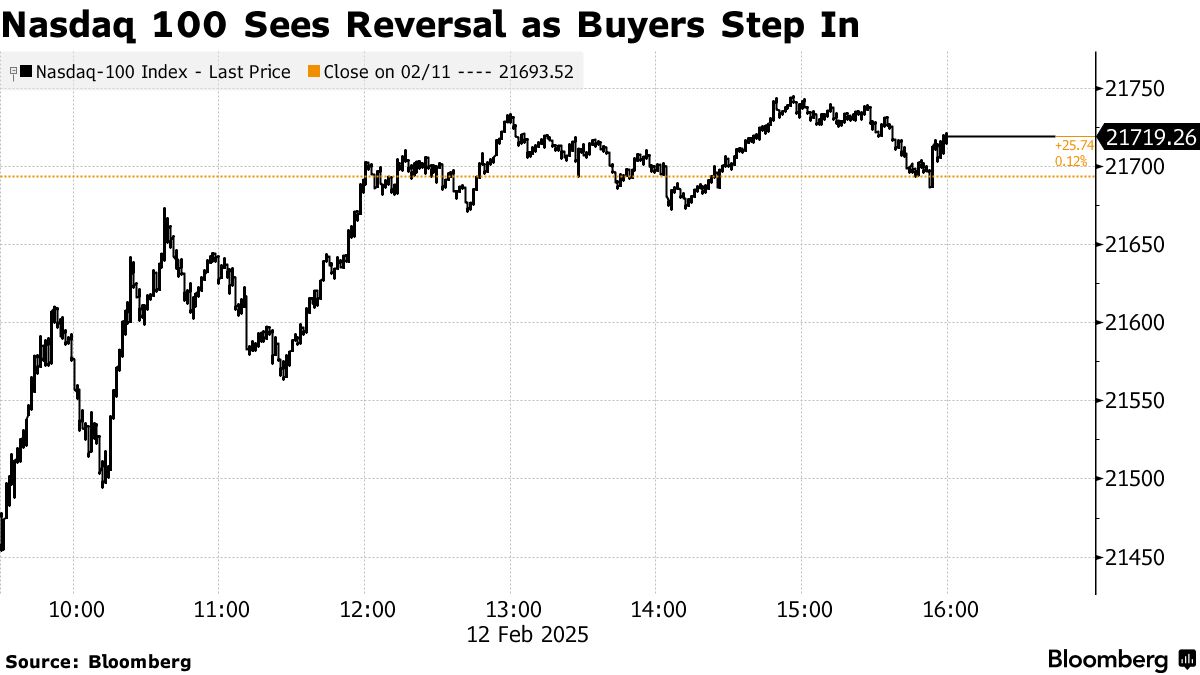
Nasdaq: Following the announcement, the Nasdaq entered bear market territory. The technology sector, particularly the so-called "Magnificent Seven" stocks—including giants like Apple, Nvidia, and Tesla—suffered severe losses, collectively shedding about $840 billion in market capitalization.
-
S&P 500: The index faced a staggering 9% loss since the previous Friday, marking its worst week since March 2020. This decline has raised alarms about the overall health of the stock market and the potential for prolonged downturns.
Sector-Specific Impacts
The tariff announcement's consequences varied significantly across sectors, highlighting the interconnectedness of global supply chains and the sensitivity of markets to political decisions:
-
Technology: The technology sector was hit hardest, with major players witnessing sharp declines in stock prices. As companies in this sector often rely on international supply chains for production, the increased tariffs threaten to raise costs and disrupt operations.
-
Automotive: Automakers, particularly those with substantial international operations, are particularly vulnerable to tariff increases. The potential for higher production costs could lead to reduced profit margins and a slowdown in production, further compounding the sector's challenges.
Strategic Recommendations for Investors
In light of the current market turmoil, investors are faced with critical decisions. Here are some strategic recommendations to navigate this unpredictable environment:
-
Diversification: Investors should consider diversifying their portfolios to mitigate risks associated with sector-specific downturns. By spreading investments across various sectors, investors can reduce the potential negative impact of a single market decline.
-
Focus on Defensive Stocks: It may be prudent to shift investments toward more stable sectors such as utilities and consumer staples. These sectors typically perform better during economic downturns and can provide a buffer against market volatility.
-
Monitor Economic Indicators: Keeping an eye on key economic data and geopolitical developments is essential for making informed investment decisions. Understanding the broader economic context can help investors anticipate market movements and adapt their strategies accordingly.
Conclusion
The current market turmoil underscores the interconnectedness of global economies and the significant impact of political decisions on market stability. Trump's recent tariffs have not only triggered substantial declines in major stock indices but have also raised concerns about the long-term implications for various sectors. As the financial landscape continues to evolve, investors must remain vigilant and adaptable in these uncertain times. By employing strategic approaches such as diversification and focusing on defensive sectors, investors can better navigate the complexities of the current market environment.
For further insights and ongoing updates on market trends, investors can refer to reputable sources such as The Wall Street Journal and Forbes.