
Global Commodity Markets in Turmoil: Analyzing Recent Trends Amid Economic Uncertainty
As of early April 2025, the global commodity markets are experiencing seismic shifts, reflecting deeper economic anxieties that have sent shockwaves through various sectors. The turmoil has culminated in significant price drops across key commodities, as reduced demand forecasts and geopolitical tensions weigh heavily on market sentiment. In this article, we delve into the recent market dynamics affecting commodities such as gold, oil, and agricultural products, providing actionable insights for investors navigating this tumultuous landscape.

Overview of Recent Market Developments
The past few days have seen a catastrophic decline in the stock markets, with the Dow Jones Industrial Average dropping by 2,231 points and the Nasdaq losing 962 points. These declines contributed to a 5% fall in European markets, leading to a widespread sell-off in commodities. Such volatility is typically indicative of investor panic and reduced confidence in economic stability, which has further exacerbated the downturn in commodity prices.
According to the Times of India, the fear surrounding tariffs, particularly those instituted by the Trump administration, has significantly impacted investor sentiment, leading to a cascading effect on commodity markets (source: Times of India).
Key Commodities Affected
-
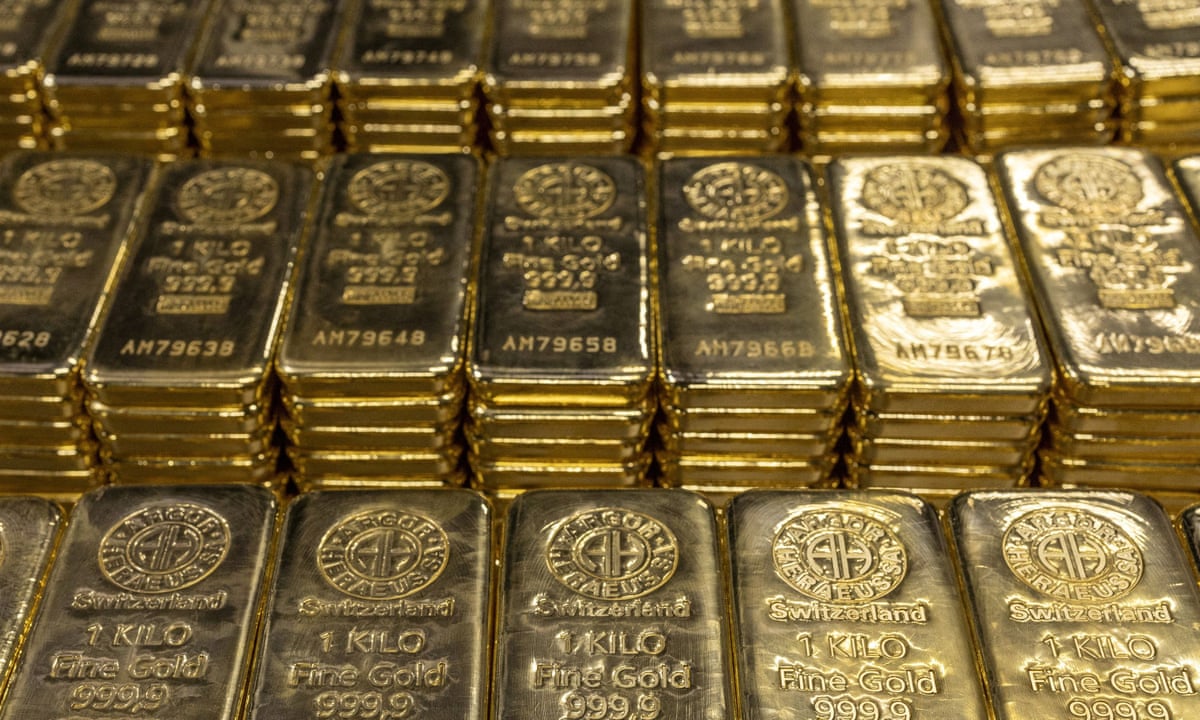
Gold: After a five-day winning streak, gold prices have plummeted, settling at ₹93,000 per 10 grams, representing a decline of ₹1,350. Analysts attribute this drop to fluctuating investor strategies amid market volatility. Gold is often seen as a safe haven, yet its recent performance suggests a complex interplay of factors influencing demand (source: Business Standard).
-
Crude Oil: The oil market has faced immense pressure, with prices continuing to decline due to geopolitical tensions and apprehension over falling demand. Reports indicate that the ongoing geopolitical unrest, coupled with economic slowdown indicators, has led to an oversupply situation, further pushing prices down. As global economies brace for potential recessions, oil prices are expected to remain volatile.
- Agricultural Commodities: The agricultural sector is not immune to this turmoil. Prices for key agricultural products, including palm oil, are experiencing downward pressure. The Food and Agriculture Organization's (FAO) price index for vegetable oils has shown fluctuations, indicating a reassessment of demand due to prospective economic challenges. As the FAO noted, the uncertainty in global supply chains has led to a cautious outlook on agricultural commodities.
Market Sentiment and Investor Strategies
In light of these turbulent market conditions, investors are advised to adopt a more cautious and diversified investment strategy. The importance of maintaining a balanced portfolio cannot be overstated, especially during periods of heightened volatility.
Investors are increasingly turning to quality assets, those which have historically demonstrated resilience during economic downturns. For commodities, this might mean evaluating the historical performance of specific sectors and understanding the nuances of supply and demand dynamics in the current climate. Staying informed about macroeconomic indicators, such as inflation rates, employment figures, and geopolitical developments, is crucial for making informed investment decisions.
Conclusion
The recent turmoil in commodity markets serves as a stark reminder of the intricate connections between global economic conditions and commodity prices. As investors face fluctuating prices, staying vigilant and adaptable is essential. Resources like Trading Economics and Bloomberg provide ongoing insights into market trends and forecasts, equipping investors with the necessary tools to navigate the uncertainties ahead.
As we move forward, the key takeaway for investors will be to remain informed and responsive, ensuring that their strategies align with the evolving market landscape. The interconnectedness of global economic conditions will continue to shape the trajectory of commodity prices, making it imperative to adapt to changing circumstances swiftly.
As the global economy grapples with these challenges, the importance of strategic investment in commodities cannot be overlooked. With careful analysis and proactive strategies, investors can navigate this turbulent environment and emerge with a more resilient portfolio.