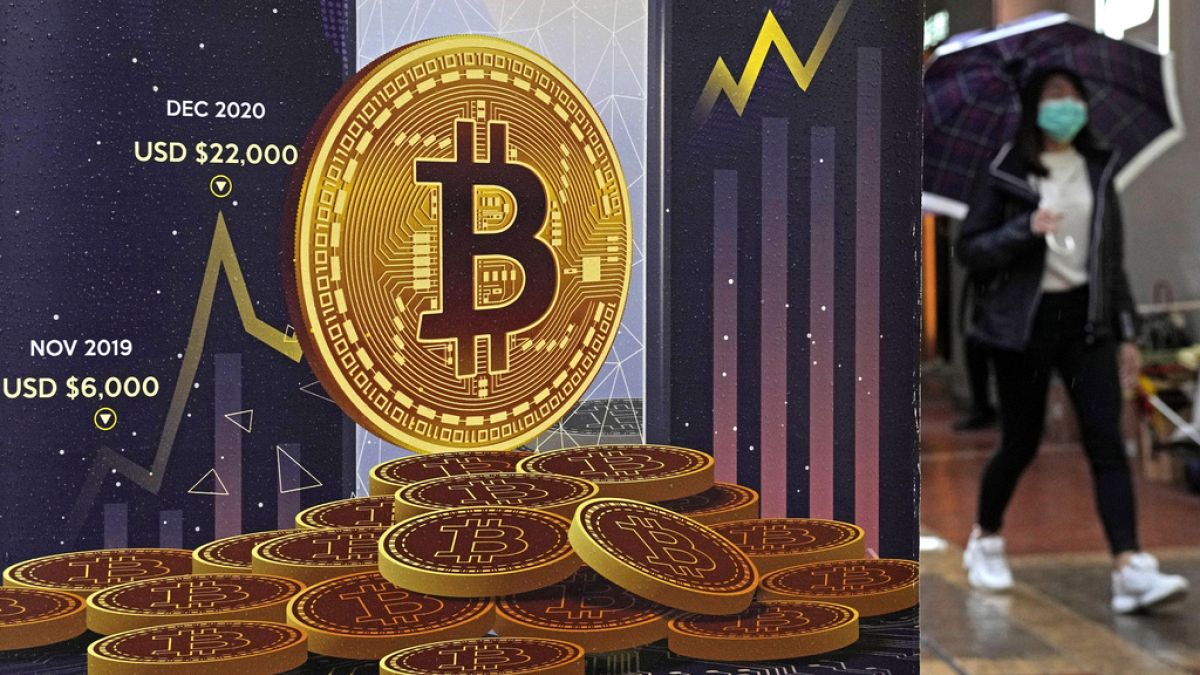
Impact of Trump's Tariff Policies on Cryptocurrency Markets
The cryptocurrency market has plunged into notable volatility, significantly influenced by the recent tariff policies enacted by the Trump administration. As of April 2025, Bitcoin's price has fallen to approximately $78,000, down from nearly $88,500 just days prior. This substantial decline not only reflects an internal correction within the cryptocurrency sector but also resonates with broader market sell-offs, driven by investor anxiety regarding economic stability and potential recession signals.
Key Market Movements
On April 8, Bitcoin was reported at $78,000, reflecting a 12% drop in a matter of days. This decline has been directly linked to the imposition of a 25% tariff on imports from Canada and Mexico. Such tariffs have historically stirred volatility in equity markets and have now begun to extend their reach into the cryptocurrency sector. Following the announcement, the Crypto Fear and Greed Index plummeted to 22, indicating extreme fear among investors, which has in turn led to a risk-averse trading approach across the board.
Investor Behavior and Market Sentiment
The immediate aftermath of the tariff announcements saw approximately $745 million in bullish positions liquidated within a single day, underscoring the market's sensitivity to macroeconomic factors. Analysts are quick to note that the current trading environment reflects a pervasive cautious sentiment. Many investors have opted to liquidate positions instead of risking further losses amidst fears that economic conditions could worsen.
Avinash Shekhar, Co-Founder & CEO of Pi42, observed, “The sudden plunge of Bitcoin below the $80,000 threshold, coupled with the overall crypto market selloff that erased more than $160 billion in value, marks a pivotal point fueled by macroeconomic uncertainty and investor wariness.”
Broader Implications of Tariff Policies
The tariff policies serve as a reminder of the intertwining between traditional financial frameworks and the emergent cryptocurrency markets. The economic repercussions of trade policies, such as tariffs, underscore the vulnerabilities that digital assets face in an increasingly interconnected global economy. As the cryptocurrency market is heavily influenced by investor sentiment, any turbulence in traditional markets can swiftly carry over to digital assets.
Moreover, with the market now sitting on a precipice, the potential for further regulatory changes looms large. The recent decision by the U.S. Justice Department to narrow its cryptocurrency investigations to focus on crimes associated with digital assets may bolster market confidence, but the uncertainty surrounding U.S. trade policy continues to be a significant risk factor.

Conclusion
As the cryptocurrency landscape continues to evolve, the implications of traditional financial policies—especially tariffs—become increasingly evident. Investors are urged to remain vigilant and adaptable amid shifting market conditions. Monitoring regulatory developments and broader economic indicators will be crucial for making informed investment decisions in the crypto space in light of these external pressures.