
Kraken's Strategic Shift: Implications of the SEC Settlement on Staking Services
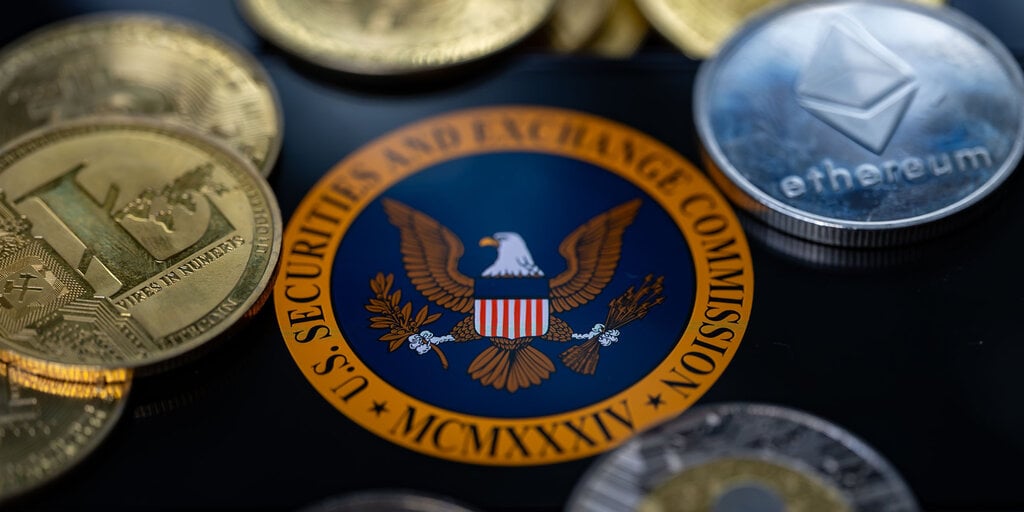
In an unprecedented move signaling the intensifying regulatory landscape for cryptocurrency exchanges, Kraken, a leading player in the industry, announced the termination of its staking program as part of a $30 million settlement with the U.S. Securities and Exchange Commission (SEC) in early February 2023. This decision raises critical questions about the future of staking services, Kraken's business model, and the broader cryptocurrency market's regulatory trajectory.
Overview of Kraken and the SEC Settlement
Founded in 2011, Kraken has positioned itself as one of the largest cryptocurrency exchanges worldwide, servicing over 10 million clients and facilitating trading in more than 200 digital assets. The SEC's settlement with Kraken marks a significant moment in a broader trend of increasing scrutiny aimed at cryptocurrency platforms, particularly those offering services that may resemble securities trading.
The SEC alleged that Kraken's staking program was operating as an unregistered securities offering. Staking, which allows users to earn rewards on their cryptocurrency holdings, has become a popular service among exchanges. Following Kraken's settlement, the exchange has ceased this program, a decision with potential long-lasting effects.
Impact on Kraken's Business Model
1. Business Model Reevaluation
The cessation of the staking service compels Kraken to reassess its revenue streams. Historically, staking has been a lucrative avenue for exchanges, contributing significantly to their income. According to industry estimates, staking could generate millions in annual revenue, depending on user participation rates. The loss of this service will likely require Kraken to seek alternative revenue-generating services, which may include enhanced trading features or new product launches.
2. User Trust and Retention
Kraken's decision may also impact user trust and retention. Many customers relied on staking as a means to earn passive income from their digital assets. The abrupt termination of this service might drive dissatisfied clients to explore competing platforms that continue to offer staking options. To curb potential user attrition, Kraken may need to enhance its value proposition through improved user experience and diversified offerings.
3. Regulatory Compliance
The willingness to comply with SEC regulations, as evidenced by the settlement, could position Kraken favorably in the long run. By demonstrating a commitment to aligning with regulatory frameworks, Kraken may build trust with stakeholders and regulators. However, this compliance also underscores the complexity and challenges that cryptocurrency exchanges face as they navigate a labyrinth of regulations.
Broader Market Implications
The SEC's actions against Kraken could set a precedent for other cryptocurrency exchanges operating within the United States. As regulatory scrutiny intensifies, other platforms may be compelled to re-evaluate their service offerings, particularly those that have the potential to be classified as securities.
1. Industry-Wide Reevaluation
With the SEC ramping up enforcement actions, exchanges may adopt more conservative business models that prioritize compliance. This shift could stifle innovation within the sector as companies become risk-averse, opting for safer service offerings that align with regulatory expectations. While this may result in greater consumer protection, it might simultaneously hinder the rapid development of new financial products that have characterized the cryptocurrency landscape.
2. Ripple Effects Across the Market
Kraken's settlement may generate a ripple effect across the cryptocurrency market, influencing regulatory tactics and the approaches of other exchanges. As platforms reassess their compliance strategies, there could be a significant reshaping of how staking and similar services are offered. This evolution will necessitate ongoing adjustments by market participants to align with changing legal interpretations and regulatory frameworks.
3. Potential Consumer Backlash
The termination of a popular program like staking may incite backlash from the cryptocurrency community. Users who feel disenfranchised may become vocal advocates for more transparent and equitable regulatory measures. This sentiment could lead to broader discussions about how exchanges operate and the need for clearer guidelines from regulators regarding what constitutes a security in the cryptocurrency context.
Conclusion
Kraken's decision to cease its staking program is a watershed moment in the cryptocurrency market, reflecting the ongoing tension between innovation and regulatory oversight. As the regulatory landscape continues to evolve, stakeholders in the cryptocurrency ecosystem must remain vigilant and adaptable, navigating the complexities that accompany compliance and market demands.
In this uncertain environment, the focus will likely shift towards fostering a balanced approach to regulation that protects consumers while encouraging innovation. The industry must engage in dialogue with regulators to shape frameworks that support growth without stifling the essential entrepreneurial spirit that has driven the cryptocurrency revolution.
As Kraken and other exchanges adjust their strategies in response to regulatory developments, the broader implications for the cryptocurrency landscape remain to be seen. Continuous monitoring of market responses and regulatory adaptations will be critical for stakeholders aiming to thrive in this rapidly changing environment.
For ongoing updates on regulatory actions and market trends, industry sources such as Bloomberg and other financial news outlets will provide valuable insights.

Keywords
Kraken, SEC, cryptocurrency, staking, regulation, compliance, market impact