
Navigating the Stock Market After Trump's Tariff Pause: Opportunities and Risks
On April 9, 2025, the U.S. stock market witnessed a remarkable rebound, with the Dow Jones Industrial Average soaring by 2,900 points, marking one of the largest single-day gains in history. This surge followed President Donald Trump’s announcement of a 90-day pause on tariffs, a move that had previously rattled markets globally. The implications of this pause have left investors weighing both opportunities and risks in an increasingly volatile environment.

Market Reaction
The announcement led to a dramatic shift in investor sentiment. Prior fears of escalating trade wars began to dissipate, and markets responded positively. Alongside the Dow's impressive gain, the S&P 500 and Nasdaq also posted substantial increases, with the S&P recording its biggest daily increase since 2008. Analysts have pointed out that this pause could provide much-needed relief for sectors heavily impacted by tariffs, such as technology and consumer goods.
In the wake of the announcement, the S&P 500 rose nearly 10%, a remarkable turnaround from the previous weeks of volatility caused by tariff fears. According to data from CNBC, this surge reflects broader investor optimism and a potential shift in market dynamics.
Sector Analysis
1. Technology Sector
The technology sector, which had faced significant losses due to uncertainties surrounding tariffs, is poised for recovery. Companies like Apple (AAPL) and Nvidia (NVDA), previously affected by tariffs on imported components, are expected to benefit from the tariff pause. Analysts suggest that this could lead to a rebound in their stock prices as investor confidence returns. In fact, Nvidia recently reported a 12% increase in stock value post-announcement, illustrating the sector's resilience.
2. Consumer Goods
Firms such as Procter & Gamble (PG) and Coca-Cola (KO)—which had been grappling with increased production costs due to tariffs—may see improved profit margins and stock performance in the coming months. A report from Forbes highlighted that these companies are likely to benefit from price stability and the potential for increased consumer spending as tariffs are paused.
3. Financials
Financial institutions, including JPMorgan Chase (JPM) and Bank of America (BAC), are expected to experience increased stability as market volatility decreases, potentially leading to a more favorable lending environment. Historically, banks thrive during periods of market stability, and this tariff pause could help regain lost confidence in the financial sector.
Risks Ahead
Despite the positive market response, experts warn that the underlying issues driving market volatility remain unresolved. The potential for retaliatory tariffs from China and other trading partners poses a substantial risk to market stability. As noted by Thomas Martin, senior portfolio manager at Globalt Investments, “We’re not anywhere out of the woods yet, and so that sort of tempers things.” The long-term effectiveness of the tariff pause in fostering a sustainable economic recovery is still uncertain.
Moreover, market analysts have raised concerns over the potential for a return to heightened tensions, particularly if negotiations do not lead to lasting resolutions. The possibility of future tariff implementations looms large, and investor sentiment could shift rapidly should new tariffs be announced.
Investment Strategies
In this complex landscape, investors are advised to adopt a cautious yet opportunistic approach. Here are some actionable strategies:
-
Diversification: Spread investments across various sectors to mitigate risks associated with sector-specific downturns. This strategy is crucial in an environment where certain sectors may be more susceptible to future tariff changes.
-
Focus on Quality: Invest in companies with strong fundamentals that are likely to weather economic fluctuations. Companies with robust balance sheets and proven resilience may provide a safer harbor during turbulent times.
-
Monitor Economic Indicators: Keep an eye on economic data releases and geopolitical developments that could impact market conditions. Key indicators include employment rates, consumer confidence indexes, and trade balance reports, which can provide insights into market direction.
Conclusion
The recent tariff pause presents a unique opportunity for investors to reassess their portfolios and capitalize on potential market rebounds. However, it is crucial to remain vigilant and prepared for the inherent risks that continue to permeate the global economic landscape. Continuous monitoring of market trends and geopolitical developments will be essential for informed decision-making.
As history has shown, while the stock market may experience sudden gains, the path to sustained recovery remains fraught with challenges. Investors must navigate these turbulent waters with strategic foresight, balancing opportunities against the backdrop of potential risks.
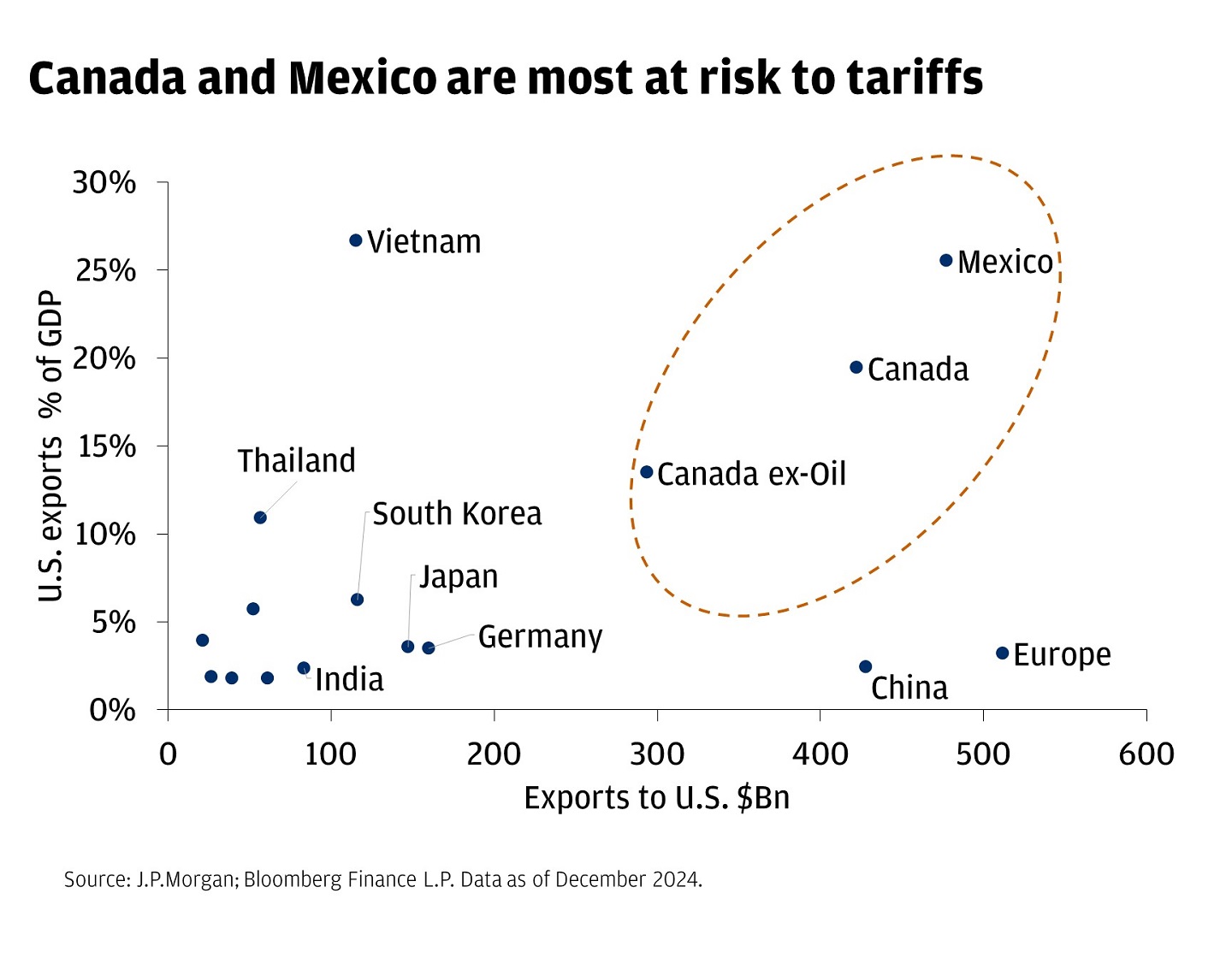
In summary, the current pause in tariffs may provide a temporary reprieve, but the ongoing geopolitical landscape requires investors to stay informed and adaptable. As the situation evolves, the strategies employed today will be pivotal in determining financial success in the future.