The Impact of Recent U.S. Tariff Policies on Cryptocurrency Markets
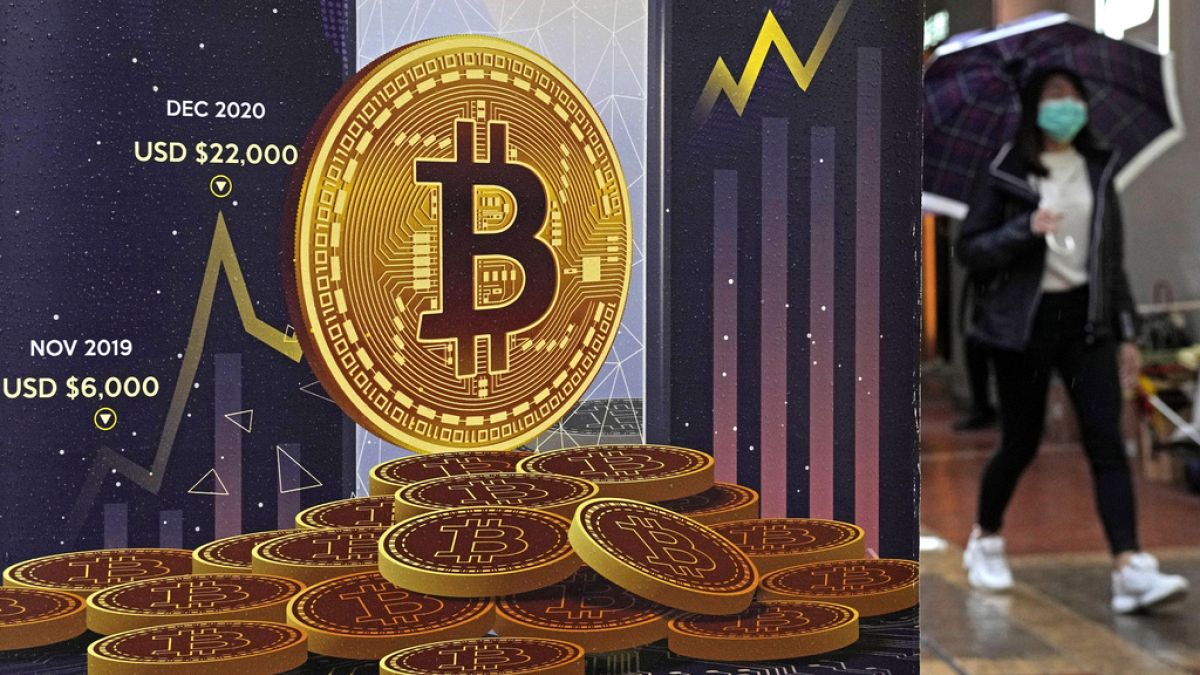
In early April 2025, the U.S. cryptocurrency market faced significant upheaval following the announcement of new tariffs by the government. Bitcoin, the largest digital asset by market capitalization, witnessed a drastic drop from approximately $88,500 to $78,000, reflecting a 12% decline in value. This sell-off was symptomatic of a broader trend observed across cryptocurrency exchanges, as the market grappled with increased volatility and uncertainty. Analysts pointed to the intricate interdependencies between traditional financial policies and the cryptocurrency ecosystem, suggesting that regulatory developments could further influence market dynamics.
Tariff Policies' Impact on Market Sentiment
The recent tariff policies are not merely economic indicators; they are reshaping the landscape in which cryptocurrencies operate. Wall Street's apprehension over the ramifications of these tariffs has led to a cautious approach among investors. The uncertainty stemming from potential retaliatory measures and altered trade relationships has further complicated this landscape. According to reports, the market experienced significant price fluctuations, with various cryptocurrencies like Ethereum and Ripple also reacting negatively to the news.
Moreover, the U.S. Department of Justice's recent decision to dismantle its National Cryptocurrency Enforcement Team under the Trump administration has raised concerns. This shift indicates a move towards easing regulatory scrutiny on digital assets, thereby creating an environment where market participants may act with less oversight. The fear is that reduced enforcement could lead to increased fraud and manipulation within the cryptocurrency sector, compounding market volatility.
Regulatory Scrutiny and Future Developments
The implications of the tariff policies extend beyond immediate price reactions. Cryptocurrency markets are acutely aware of the growing potential for increased regulatory scrutiny. Lawmakers and regulatory bodies are taking a closer look at the cryptocurrency landscape, particularly as decentralized finance (DeFi) platforms face stricter compliance requirements. This scrutiny could manifest in various ways, including new reporting standards for exchanges and the implementation of consumer protections aimed at safeguarding investors.
In recent discussions, New York Attorney General Letitia James emphasized the need for stronger federal regulations to combat rising cryptocurrency fraud. She noted that in 2023, the Federal Bureau of Investigation estimated losses associated with cryptocurrency fraud at $5.6 billion, a staggering increase of 45% from the previous year. James advocates for actions including backing stablecoins with U.S. currency and enhancing price transparency across the board.

Market Reactions and Future Strategies
As volatility continues, investors are advised to remain vigilant and adaptable in their strategies. Diversification across various cryptocurrency assets could mitigate the risks associated with sudden market fluctuations. Analysts suggest that the current market climate could offer opportunities for savvy investors, especially those willing to explore stablecoins and other less volatile assets.
In parallel with these developments, Ripple's recent acquisition of Hidden Road for $1.25 billion signifies a growing institutional interest in cryptocurrency as a legitimate asset class. This move positions Ripple as a significant player in the sector, potentially paving the way for more institutional investment in cryptocurrencies. The acquisition is seen as a strategic play to expand Ripple's capabilities in providing services such as clearing and financing across various asset classes, including digital assets.
Conclusion: A Fluid Market Landscape
The cryptocurrency market is currently navigating a turbulent period marked by regulatory changes and economic uncertainties arising from new U.S. tariff policies. The interconnectedness of traditional finance and digital assets underscores the need for investors to stay informed and flexible. The evolving landscape suggests that the long-term effects of these tariffs and regulatory adjustments will ultimately depend on both domestic and international responses.
In summary, as the cryptocurrency market grapples with increased scrutiny and price volatility, stakeholders must consider strategic adjustments to their investment approaches. The current volatility, while challenging, also presents potential opportunities for those willing to engage thoughtfully with the evolving market dynamics.
For ongoing updates and comprehensive analysis, sources such as Finance Magnates and MarketWatch will remain instrumental in guiding investors through this complex environment.