The Impact of Regulatory Changes on Cryptocurrency Markets: A Deep Dive
Introduction
The cryptocurrency market is undergoing significant transformations, particularly in the wake of recent regulatory changes in the United States. The disbandment of the National Cryptocurrency Enforcement Team (NCET) by the U.S. Department of Justice (DoJ) marks a pivotal moment in the regulatory landscape, raising questions about the future of cryptocurrency enforcement and investor protection.

Regulatory Context
On April 12, 2025, Deputy Attorney General Todd Blanche announced the immediate closure of the NCET, a unit established to combat illicit financial activities involving cryptocurrencies. This move aligns with President Donald Trump's broader strategy to reduce regulatory burdens on the cryptocurrency sector, aiming to foster innovation and adoption. The NCET's dissolution signals a shift towards a more lenient regulatory environment, which could have profound implications for market participants.
The NCET was created in 2022 as part of a concerted effort to tackle financial crimes linked to cryptocurrencies, including fraud and money laundering. Its disbandment comes amid a growing sentiment within the current administration that excessive regulation stifles innovation in the burgeoning crypto space. For many stakeholders, this signals a new era of deregulation that could encourage new investments and foster growth in the sector.
Market Reactions
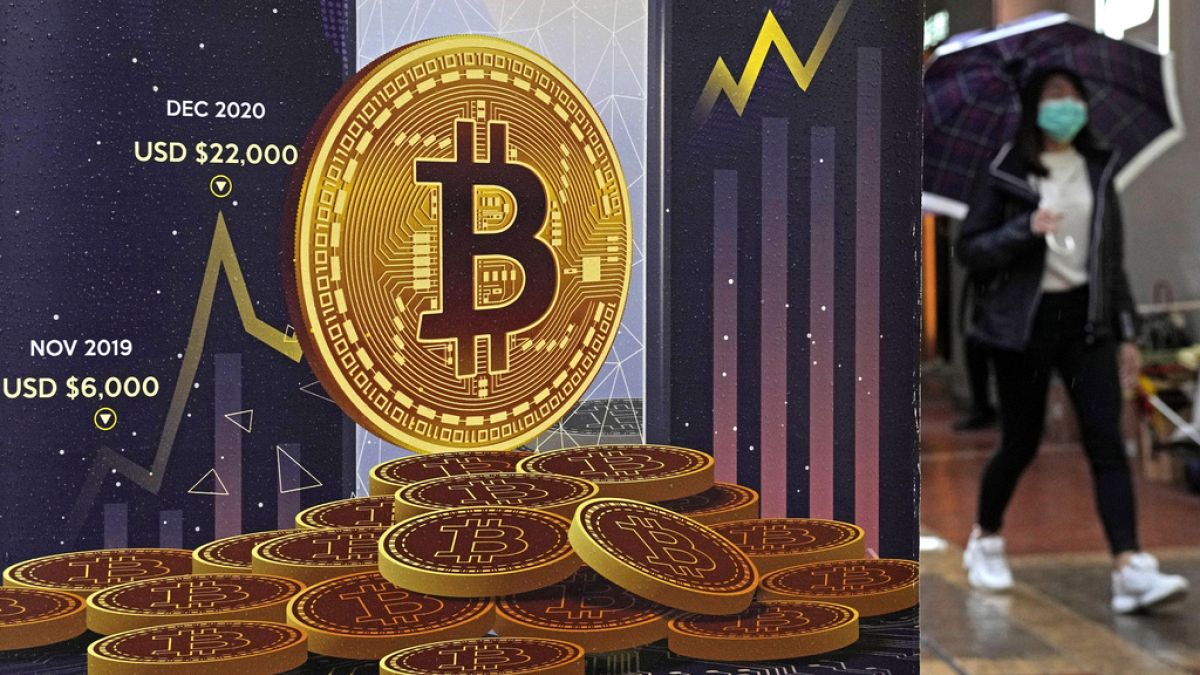
Following the announcement of the NCET's closure, the cryptocurrency market exhibited notable volatility. Bitcoin, which had been fluctuating around $80,000, experienced a brief dip but quickly rebounded as investor sentiment shifted towards optimism regarding reduced regulatory scrutiny. The overall market capitalization of cryptocurrencies reached approximately $2.69 trillion, reflecting a resurgence in investor interest amid the changing regulatory landscape.
According to data from MarketWatch, Bitcoin saw a significant uptick in trading volume shortly after the announcement, which suggests that many investors are viewing these regulatory changes favorably. The quick recovery of Bitcoin's price may indicate a growing confidence among investors that the crypto market will now operate within a less restrictive regulatory framework.
Implications for Investors
Investors must navigate this evolving environment with caution. The lack of a dedicated enforcement team raises concerns about potential increases in fraudulent activities and scams within the cryptocurrency space. Reports indicate that cryptocurrency fraud losses reached $5.6 billion in 2023, underscoring the need for vigilance among investors.
The rise in fraud is a critical concern, especially given the unregulated nature of the cryptocurrency market. As the enforcement mechanisms weaken, the risk of scams and fraudulent schemes may proliferate, potentially endangering the investments of unsuspecting investors.
Experts recommend that investors practice due diligence and remain skeptical of offers that promise guaranteed returns or appear too good to be true. The recent closure of the NCET could lead to an environment where scams become more prevalent, and without the oversight previously provided by this enforcement team, it is crucial for investors to be more cautious than ever.
Conclusion
As the U.S. cryptocurrency market adapts to these regulatory changes, stakeholders must remain informed and proactive. Understanding the implications of the NCET's closure and the broader regulatory environment will be crucial for making informed investment decisions. Investors are encouraged to conduct thorough research and consider the potential risks associated with a less regulated market.
In light of these developments, it is advisable for cryptocurrency investors to focus on reputable exchanges, avoid high-risk investments, and stay updated on regulatory changes. The dismantling of the NCET may open doors for innovation, but it also requires a more vigilant approach to navigate the uncharted waters that lie ahead.

Keywords
- Cryptocurrency
- Regulation
- Bitcoin
- National Cryptocurrency Enforcement Team
- Investor Confidence
- Market Volatility